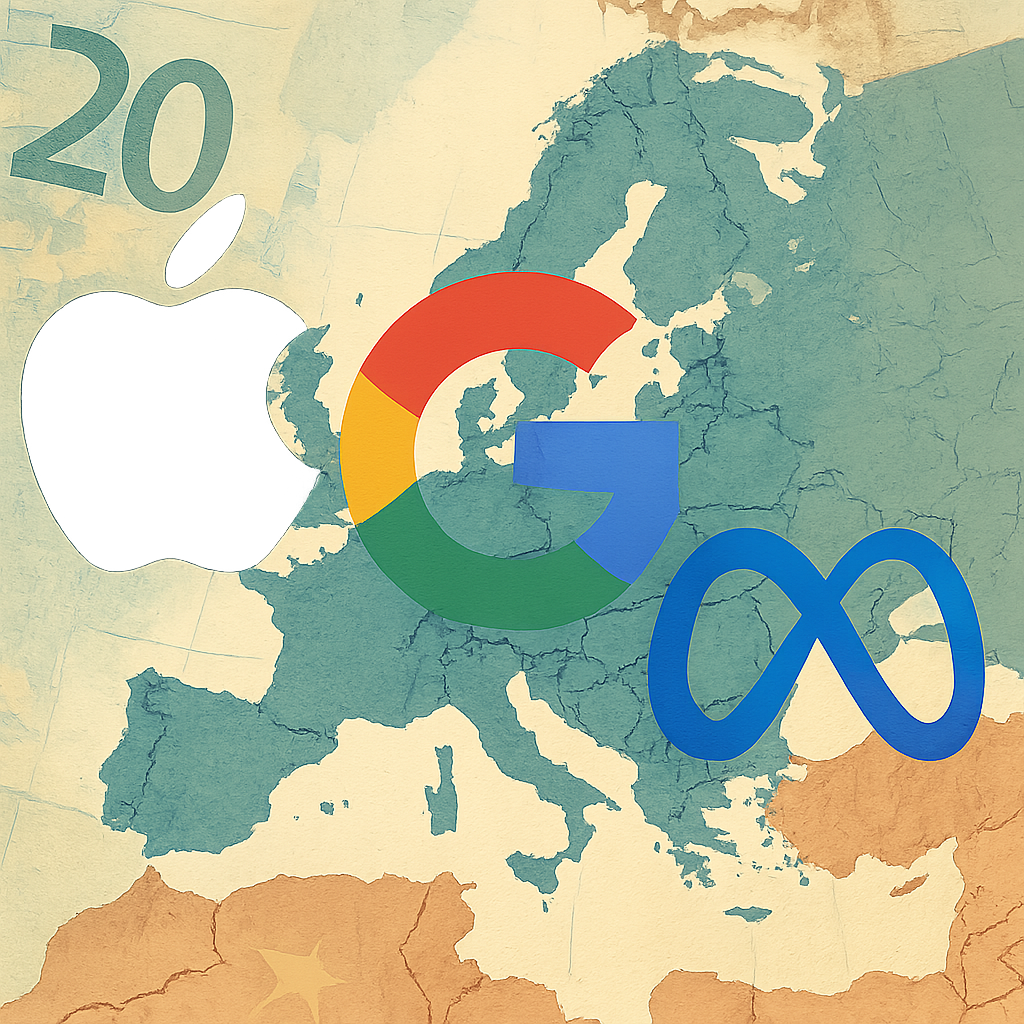
An ongoing dispute over how to tax digital giants may be heading toward a sweeping change: the European Union is considering a plan that would force companies like Apple, Google, and Meta to pay a fixed yearly tax contribution to EU member states. This comes amid concerns that existing proposals have failed to adequately capture revenues earned through digital services without triggering trade retaliation.
From Digital Tax to Core Tax Proposal
The EU has long wrestled with how to tax online services. Apple earns revenue in Europe from offerings such as iCloud, Apple Music, Apple TV, and Kindle-like tools—yet these earnings often fall outside meaningful EU tax jurisdiction. Previous approaches, which focused solely on digital services, drew criticism from both EU nations and global partners.
To sidestep concerns that these taxes unfairly burden European companies—or provoke backlash from the United States—the European Commission is developing a broader framework. Under the revised “Core” proposal, any company earning over €100 million annually, across any sector, would be subject to an annual lump-sum payment to the EU. This structure is designed to spread the tax burden more fairly and avoid singling out tech firms alone.
Implications & Unanswered Questions
Details such as the fixed tax amount per company are still up in the air. EU officials plan to agree on the concept first—covering all 27 member states—before deciding specific rates. The aim is to raise revenue without reigniting trade tensions, especially with the U.S., which previously reacted strongly to digital service taxes targeting American firms.
This revised scheme marks a shift: moving from a digital-only approach to a universal corporate contribution. It reflects broader global efforts to modernize tax policy in light of digitalization, where companies can generate significant sales in markets without a physical presence there.
Historical Context & the U.S. Factor
The idea follows a global tax agreement brokered by the OECD, which sought to ensure companies pay taxes in countries where they generate revenue. Apple had supported that framework. However, when the U.S., under Donald Trump’s administration, withdrew from the agreement, it undermined momentum and left national-level solutions on the table.
Prior EU proposals focused narrowly on digital services triggered threats of U.S. retaliation via tariffs. Expanding the tax base to include all large corporates aims to deflect that criticism and reduce the chances of cross-Atlantic trade conflicts.
Analytically: this proposed approach could mark one of the most significant shifts in multinational taxation in years. It balances revenue needs across EU states against diplomatic risk, especially with the U.S. Still unresolved are the scale of payments and which companies will fall under EU thresholds. Stay tuned as negotiations unfold—what emerges here could reshape the financial responsibilities of global tech powerhouses for decades.