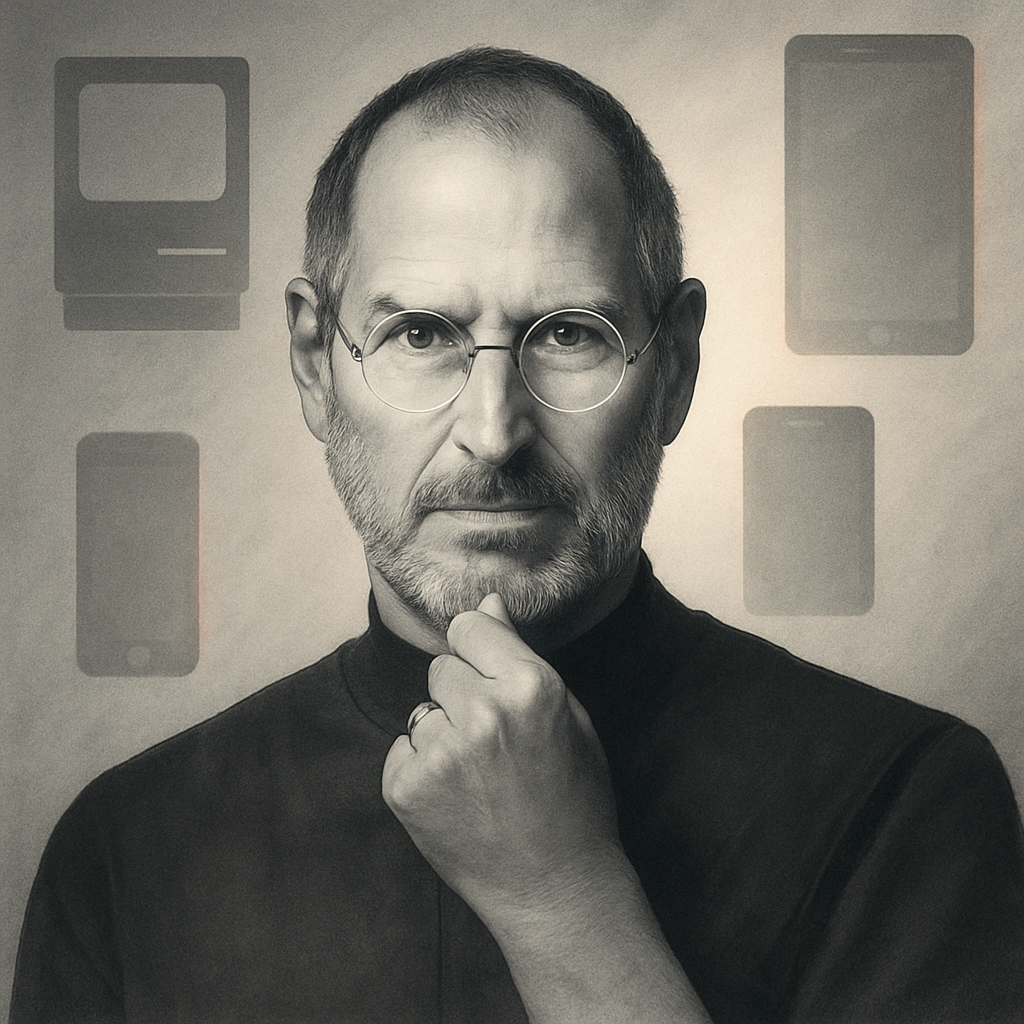
October 5, 2026 marks fifteen years since Steve Jobs, co-founder of Apple, passed away at age 56 after complications related to pancreatic cancer. His death came the day after Apple unveiled the iPhone 4s during an event at the company’s Infinite Loop campus.
In the days following his death, Apple launched a website page titled “Remembering Steve,” which invited submissions from people around the globe to share memories, reflections, and condolences. More than one million messages have been collected and the page remains live today, showcasing a sample of those tributes.
On the first anniversary of Jobs’ death, Apple honored him with a photo and audio slideshow on its website. Since then, the day has typically been observed by Apple’s leadership—including former CEO Tim Cook—with public remembrances on social media and internal acknowledgments among employees. Now, with John Ternus as Apple’s CEO, similar tributes may be expected this year.
Jobs’ Enduring Impact on Apple and Technology
Steve Jobs helped forge the modern Apple known for its emphasis on design, simplicity, and innovation. From the original Macintosh to the iPhone, iPad, and beyond, many of Apple’s defining products and experiences bear his imprint. His leadership redefined entire categories—smartphones, tablets, digital media—and set high standards for product design and user experience.
More than just hardware, Jobs’ influence shaped Apple’s organizational identity: a brand associated with bold decisions (such as eliminating floppy disk drives and pushing forward with touchscreen devices), integrating software and services, and pushing design aesthetics to the forefront. These principles remain deeply embedded in Apple’s culture today.
The Road Ahead: What to Watch
With Apple now headed by John Ternus, it’s worth watching how he maintains—or evolves—the legacy Jobs left behind. Observers will be looking for whether future Apple products continue to emphasize the tight integration of hardware, software, and design, or whether the company shifts toward different priorities in emerging fields like artificial intelligence or augmented reality.
On this anniversary, Apple will likely reprise its tradition of public tributes. Such gestures do more than honor Jobs’ memory—they also signal what values Apple still holds dear. As the company navigates rapid shifts in technology and increasing competition, its foundations—laid under Jobs—remain central to its identity.
Steve Jobs’ death was a loss, but his design ideals and vision for innovation continue to echo through Apple and the tech world. As new leaders steer the company into uncharted territory, understanding what was built—and why—offers guidance and perspective on what comes next.