October 4, 2026 marks the tenth anniversary of Google’s Pixel line of smartphones. From its debut in 2016, Google said the Pixel would be a long-term project. Now a decade later, that promise is more than fulfilled—it shows no signs of slowing down.
At launch, Pixel impressed many with its clean Android experience and strong camera standout. But the years that followed weren’t without growing pains. Display issues on the Pixel 2 XL, the “bathtub” notch of the Pixel 3 XL, and mixed reactions to the Pixel 4 series raised eyebrows and doubt. Still, the line persevered through rough edges, consolidation of feedback, and steady refinement.
How Pixel Evolved
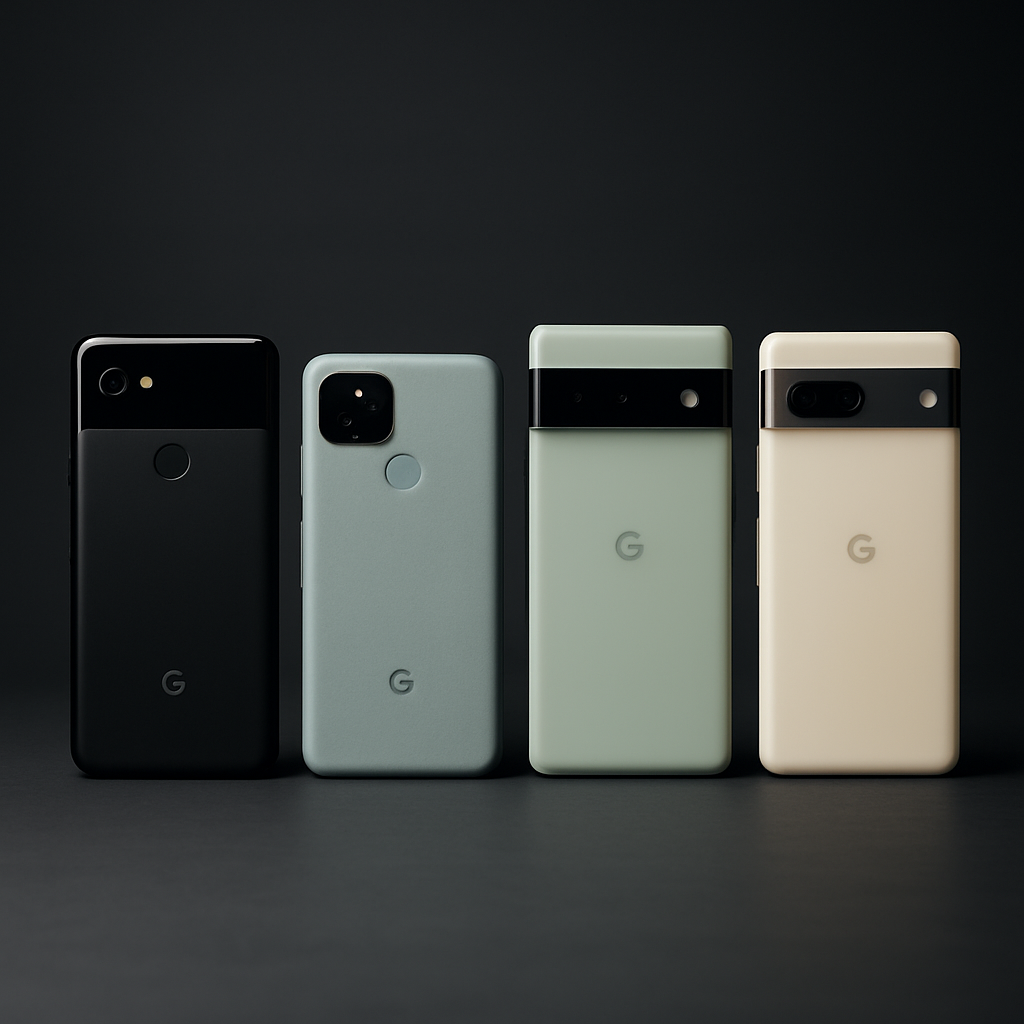
What began as one premium smartphone offering has become much more. Today, Google’s Pixel portfolio spans flagship models, mid-range alternatives, proprietary Tensor chips, and a growing ecosystem of devices and accessories. Features and designs once experimental have become defining traits of the series.
In recent days, fans have had their say on what the best Pixel model is. The Pixel 10 Pro XL is currently leading reader polls. Other devices frequently cited for shaping the brand’s identity include the Pixel 2 XL, the budget-breaking Pixel 3a, and the hardware-flexible Pixel 4 and Pixel 5. Each represented a different phase of what Pixel is and could be.
Google still uses commitment as its anchor. While many of its ventures over the years have ended or been repurposed, Pixel stands out as consistent. Its trajectory reveals a company willing to invest long-term in hardware, in-house silicon, and a unified ecosystem.
COVID, supply chain struggles, and increasingly fierce competition haven’t stopped Google from pushing forward. Its Tensor chip strategy continues, and the mid-range lineup has made the Pixel brand more accessible globally without sacrificing core values around camera performance and software excellence.
Looking ahead, the next generation of Pixel devices will be under pressure to innovate. Expectations for AI integration, design upgrades, further hardware optimization, and software longevity are higher than ever. Google’s challenge isn’t just keeping up—it’s setting the pace.