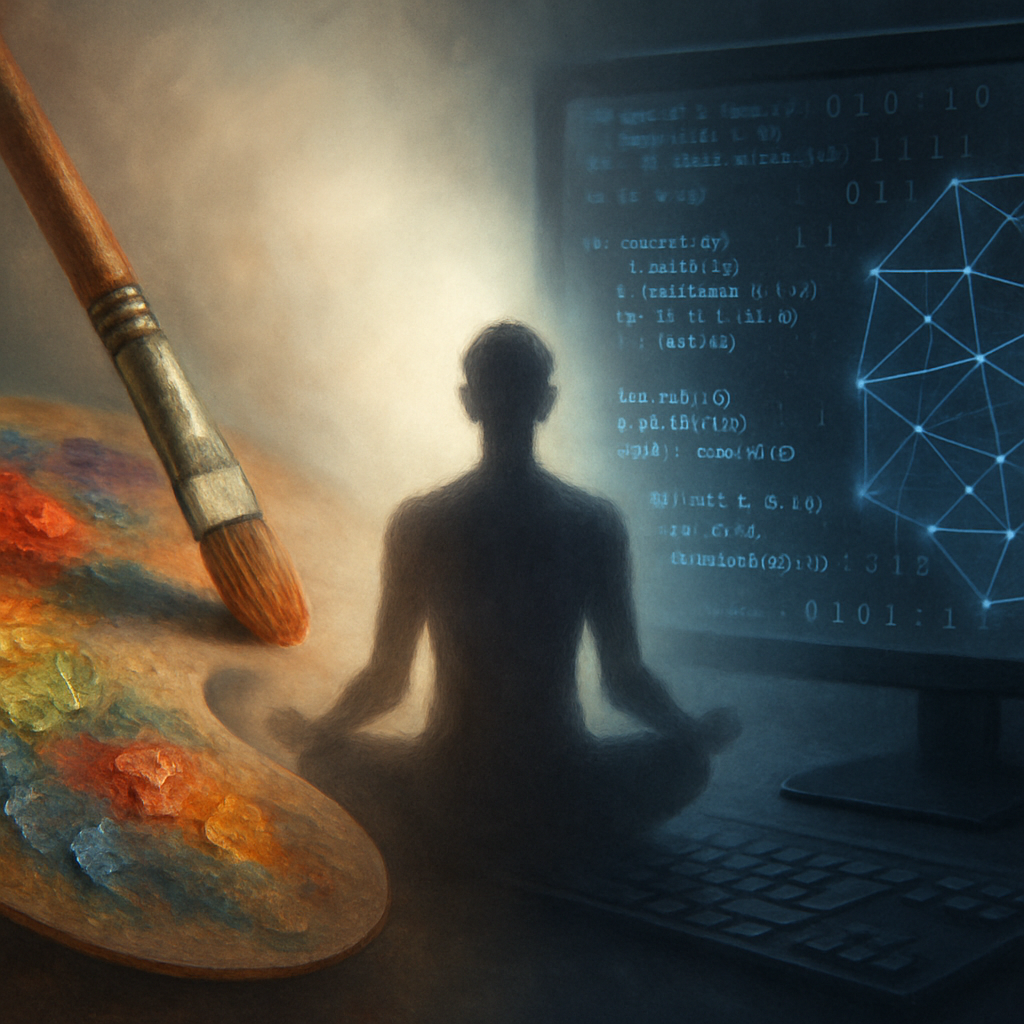
Pope Leo XIV has publicly challenged the validity of AI-generated art, arguing that machine-produced works cannot replicate what makes human art essential. He emphasized there is an “ontological difference” between art born of human experience and theoretical output generated by algorithms, stressing that machines, at their core, work through statistical calculations based on existing images. Algorithms may mimic aesthetic features, but they lack the deeper sparks of humanity. Magnifica Humanitas, the Pope’s encyclical released in May, forms the backdrop for these arguments. In it, he calls for a clear moral framework ensuring human dignity remains at the center in a rapidly automated age. Signed May 15, 2026.
The Artistic Gap Between Human and Machine
In speeches and public comments, the Pope has drawn a firm line between human creativity and artificial reproduction, insisting that true art involves relational, spiritual and experiential dimensions machines simply can’t reproduce. He pointed out that AI systems process and reassemble patterns from countless images, but they don’t undergo life events, love, grief, or spiritual growth—attributes he views as essential for authentic artistic expression.
The distinction, he said, is not just aesthetic but ontological. Humans create with intention, context and emotion; machines generate based on statistical correlations without understanding. Human art, according to him, resists homogenization and demands reflection. It invites the viewer to pause, contemplate, connect. AI art, however polished or visually compelling, operates without those anchors.
From Encyclical to Action
Magnifica Humanitas: On Safeguarding the Human Person in the Time of Artificial Intelligence is the first major teaching document of Leo XIV’s papacy and a comprehensive intervention on AI, touching not just art but labor, justice, environmental impact, algorithmic bias and power imbalance in tech. The encyclical urges AI to be “disarmed” from logics of domination, exclusion and even war—placing ethical and spiritual values alongside technological progress.
He called for AI developers, political leaders, institutions and citizens to define responsibility across the creation, deployment and governance of these systems. Transparency, accountability, and laws aligned with human dignity are not optional, he said—without them, AI risks becoming a tool that reinforces injustice rather than serving the common good.
The Pope also reaffirmed the Church’s alliance with artists and cultural institutions. He assured creators that they are esteemed and needed, especially in this technological moment, to preserve what’s uniquely human. He said the Church will walk alongside them in safeguarding “magnificent humanity”.
This matters because it confronts one of the biggest tech questions of our era: can society adopt AI without undermining what it means to be human? The Pope’s voice now joins concerns about bias in training data, erosion of labor rights, environmental costs of AI infrastructure, and the ethical void in many models. What remains to be seen is whether his call will reshape regulation, influence industry practices, or spark new cultural norms about art, authorship, and human worth.