HP is launching the new OmniBook 5 14, a laptop clearly positioned against Apple’s recent MacBook Neo, with a starting price of $699. It delivers on some fronts—OLED display, lightweight frame—but also includes a handful of compromises that could make potential buyers think twice.
Design, Display & Ports
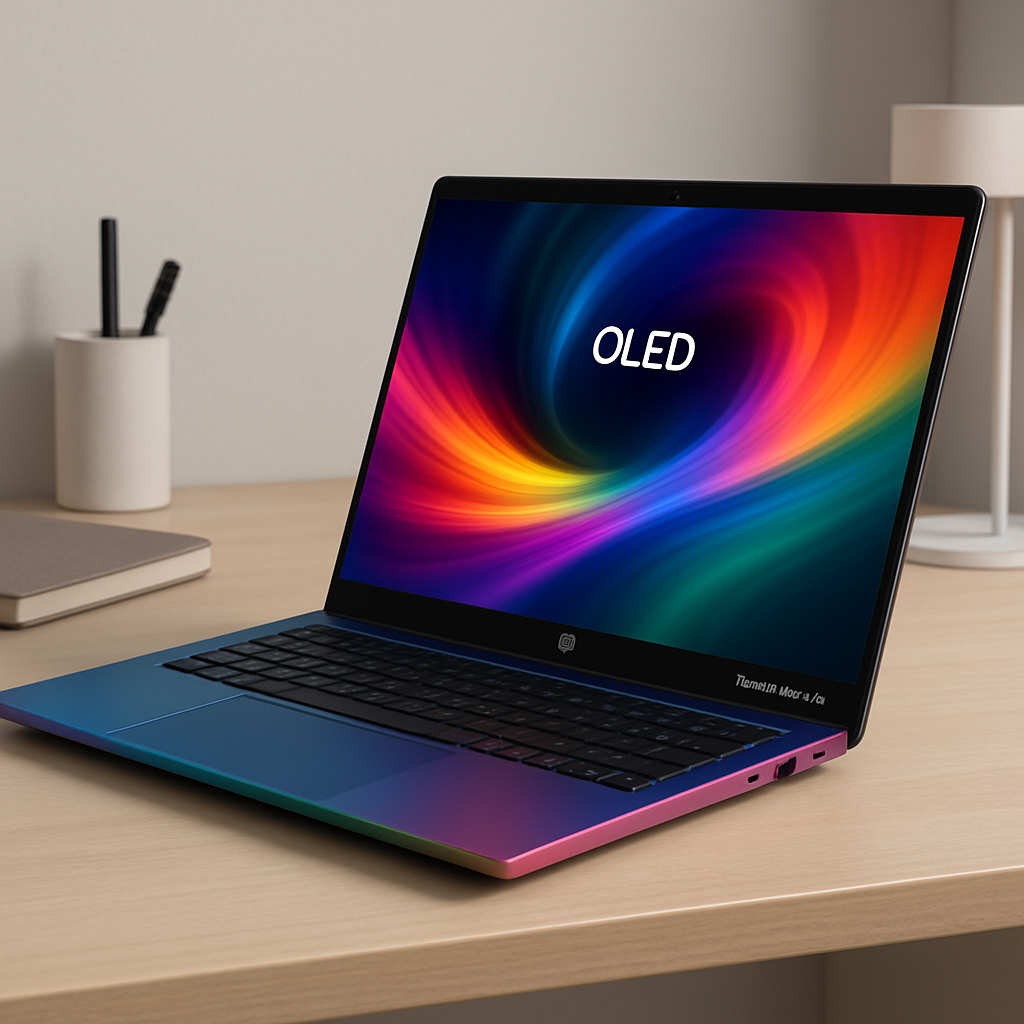
The OmniBook 5 14 adopts a chassis style that marries the colorful, budget-friendly aesthetic of the MacBook Neo with a more refined green-and-blue look reminiscent of premium colors in Apple’s iPad Air lineup. Measuring about 11.77 mm thick and weighing in at 2.56 pounds, the laptop is highly portable.
Its 14-inch display is the standout feature. Instead of typical IPS panels at this price range, HP is offering OLED. However, the best display version won’t be available until March 2027. For now, the model hitting Best Buy soon includes a 2K OLED panel that peaks at just 300 nits of brightness—far lower than the 650 nits promised for the higher-end version. Ports include two USB-C ports with full functionality and a headphone jack, plus a Full HD webcam with Windows Hello face-unlock.
Performance, Battery & Missing Details
Under the hood, HP claims support for up to an Intel Core 7 processor—though that’s the only processor option they’ve presented so far, making comparisons with Apple’s latest silicon less clear. The company has made big promises about battery life too: up to 42 hours of local video playback. There’s no confirmation yet on battery capacity, memory configurations, or storage options.
Audio is handled via dual microphones and “Poly Studio-tuned” speakers. HP indicates compatibility with its 65 W mini GaN charger, though it’s not confirmed whether this charger is included with the laptop.
What Holds It Back
Arguably the biggest drawbacks are the unclear hardware specs and the underwhelming display on the earliest version. With no solid information on what processor (beyond the vague “up to Core 7”), how much RAM or storage, it’s difficult to benchmark against Apple’s MacBook Neo or other competitors. The lower-brightness OLED on the first units is a substantial compromise until the 2.5K display launches next year.
HP has promised more information ahead of retail release, but early adopters will be buying largely on form rather than full substance.
Analysis: HP’s OmniBook 5 14 is a strong signal that its lineup—and more broadly, the Windows laptop market—is waking up to Apple’s disruption with the MacBook Neo. The move toward OLED, lighter designs, and competitive pricing reflects real pressure to close the gap. But the several trade-offs here—from dim displays in early models to vague performance specs—highlight the limits of competing at this price. What to watch next: firsthand reviews once the $699 version ships, the battery’s real-world stamina, and details on memory and storage. If HP nails those, the OmniBook 5 could become a serious alternative to the MacBook Neo—or a cautionary example of overpromising underdelivering.