For years, car analysts said EVs would eventually undercut gas-powered vehicles on price. That crossover point—long expected in the late 2020s—appears to be arriving now.
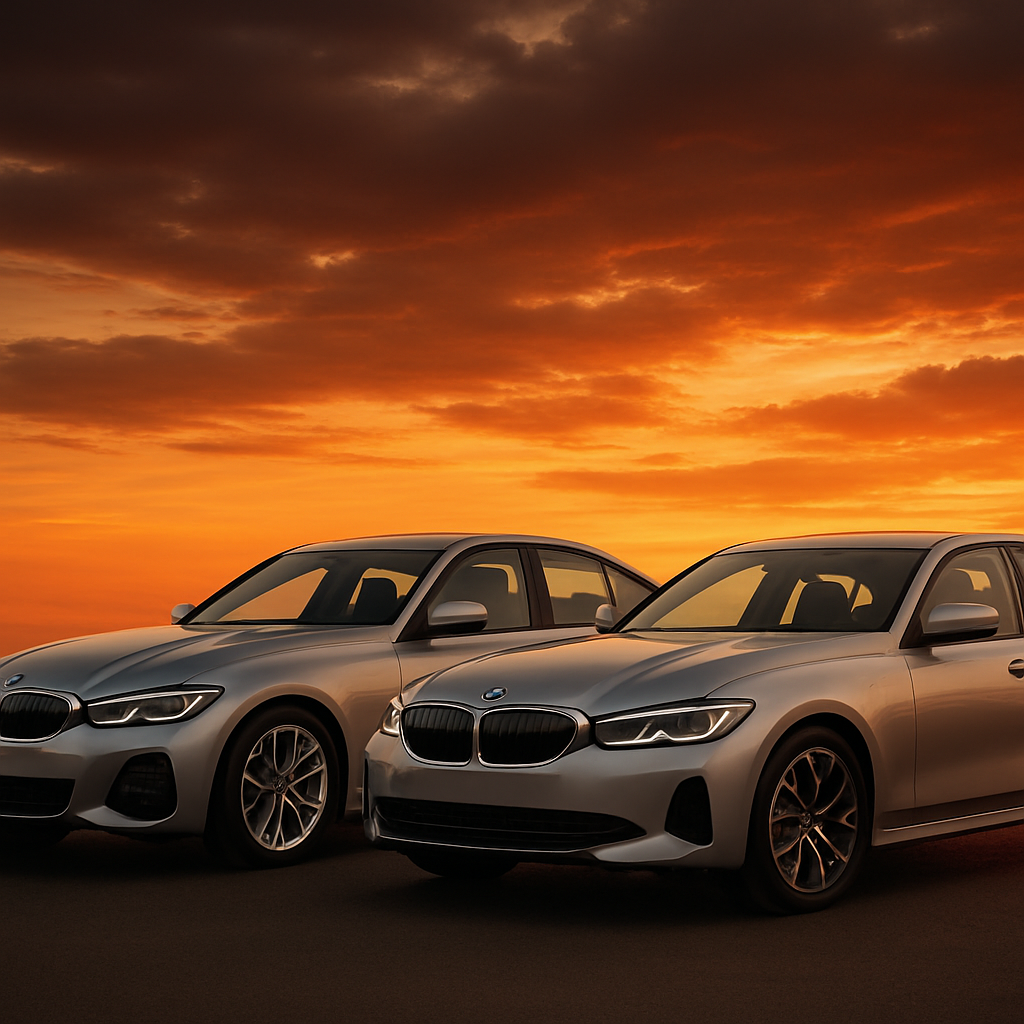
BMW’s 2027 3 Series offers a rare opportunity to compare the same model in gas and electric form—fully similar in style and power. In a striking twist, the electric i3 50 xDrive version is priced at $61,500, while its gas-powered sibling, the M350 xDrive, starts at $65,900—making the EV $4,400 cheaper up front. None of these figures includes destination fees. This means the EV is roughly 6.7% less expensive.
Performance, Platforms & Trim Comparisons
The electric i3 shares BMW’s latest chassis and cutting-edge EV technology. The gas-powered 3 Series still uses an upgraded version of BMW’s existing architecture. Both versions deliver all-wheel drive capability.
As for range and fueling: the gas xDrive 3 Series is expected to deliver about 450 miles per full tank. The i3 EV, meanwhile, promises approximately 468 miles on a single charge. Charging speed is competitive too—BMW claims the EV can add about 208 miles of range with just 10 minutes plugged into a fast charger. For drivers who travel long distances often, the difference will matter. For many others, it may feel like both versions are close enough.
There are more affordable gas-only 3 Series trims—such as the 330 trim for $49,900, or its upgraded xDrive variant at $51,900—though those don’t have an electric equivalent yet.
What This Means Now
The prevailing notion has been that EVs cost more upfront while often compensating through lower running costs over time. But with BMW’s latest pricing, that’s shifting. For the first time in a meaningful way, an EV model under the same trim as a gas version is showing up less expensive at point of sale.
This change is happening as predicted. BloombergNEF forecasted in early 2026 that EVs would begin to cost less than ICE vehicles. Now with BMW’s announcement, that projection looks prescient.
For consumers, this means EV adoption could accelerate—not just because of lower total cost of ownership, but because downright purchase price is becoming compelling. For automakers, it signals a turning point in manufacturing and pricing strategies.