As AI models keep growing in complexity, so do the demands they place on computational power, energy use, and supporting infrastructure. Andrew Feldman, co-founder and CEO of Cerebras Systems, will address these rising pressures at Disrupt 2026, laying out how his company believes AI can continue scaling — and where it may hit a wall. Airevolution depends not just on more capable processors, but far more robust physical systems.
Cerebras’ Push Against Conventional Chip Limits
Since its founding in 2015, Cerebras has questioned the prevailing assumption that high performance for AI comes from standard chip architectures. Instead of slicing a silicon wafer into many chips, the company uses wafer-scale processors, built on the entire wafer, for demanding AI operations. Feldman, who founded Cerebras after experience with infrastructure hardware ventures like SeaMicro, sees this wafer-scale approach as central to handling the rising compute-intensive demands. In May 2026, Cerebras raised $5.5 billion in its IPO, underlining investor confidence in the concept. Notably, it also inked a multiyear deal with OpenAI to deliver and deploy 750 megawatts of its systems over 2026-2028. The company also just revealed its latest wafer-scale generation, dubbed the CS-4.
The Infrastructure Behind AI’s Growth
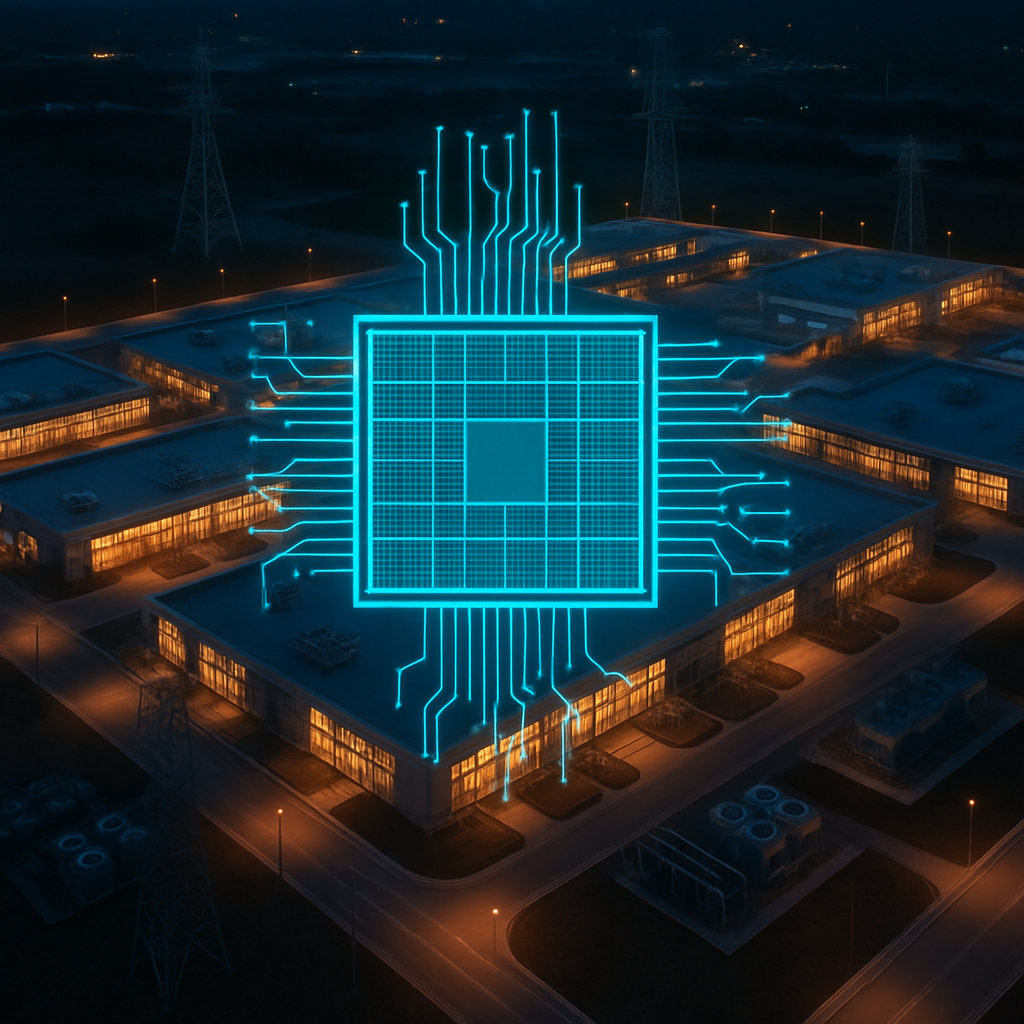
But raw processor power tells only half the story. Scaling AI requires power plants in servers — data centers, electricity supply, cooling systems, and greater manufacturing throughput. Cerebras is tackling these challenges head-on: as of August, it has over 600 megawatts of data center capacity either in operation or under contract, with plans to increase it by the end of 2027. The company is boosting its manufacturing capacity by more than 10× during 2026. It will also bring its first European capacity online this year, aiming for 200 megawatts across Europe by the end of 2027.
At Disrupt, Feldman will map out where requirements for compute, energy, and infrastructure are heading — and present what may happen when established hardware stripes start failing to keep up. Attendees will get a view into what it means to build AI at scale, and where conventional designs might start constraining progress.
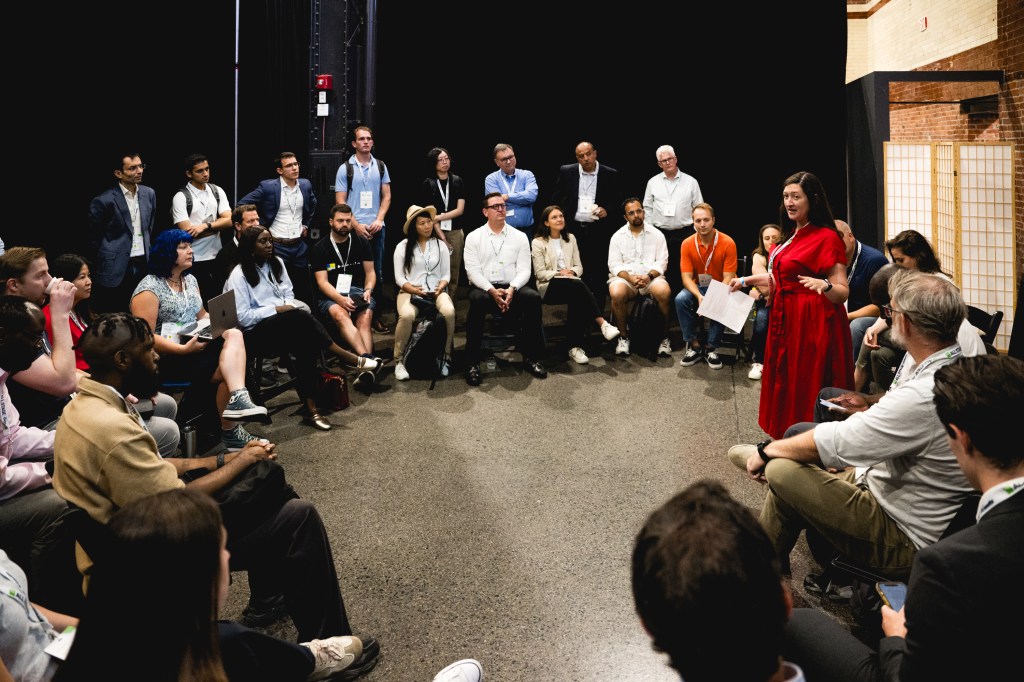
The event itself spans October 13-15 at Moscone West in San Francisco. More than 10,000 founders, investors, and technologists are expected, along with 250+ speakers and over 300 exhibiting startups. Feldman’s session, ‘Can AI Keep Scaling?’, is designed for anyone working in, investing in, or deploying AI. Expect discussions toward the limits of current hardware and what shifts are required before those limits become bottlenecks.
This isn’t just about making bigger chips — the future of AI may depend on rethinking the entire stack. Cerebras’ wafer-scale architecture, growing manufacturing footprint, and plans for expanded power and infrastructure represent a bet that scaling can continue — but only if every supporting component does too.
Why it matters: As AI models expand rapidly, just pushing more transistors isn’t enough — power, cooling, data center capacity, and supply chains also must rise. Cerebras is banking on that increasingly holistic view of scaling. For the industry, the coming years will reveal whether wafer‐scale and massive infrastructure expansions are a sustainable path, or if new architectures or energy innovations will become essential. Keep an eye on manufacturing scale, power efficiency, and whether new cooling or energy technologies crack in time to support the AI boom.