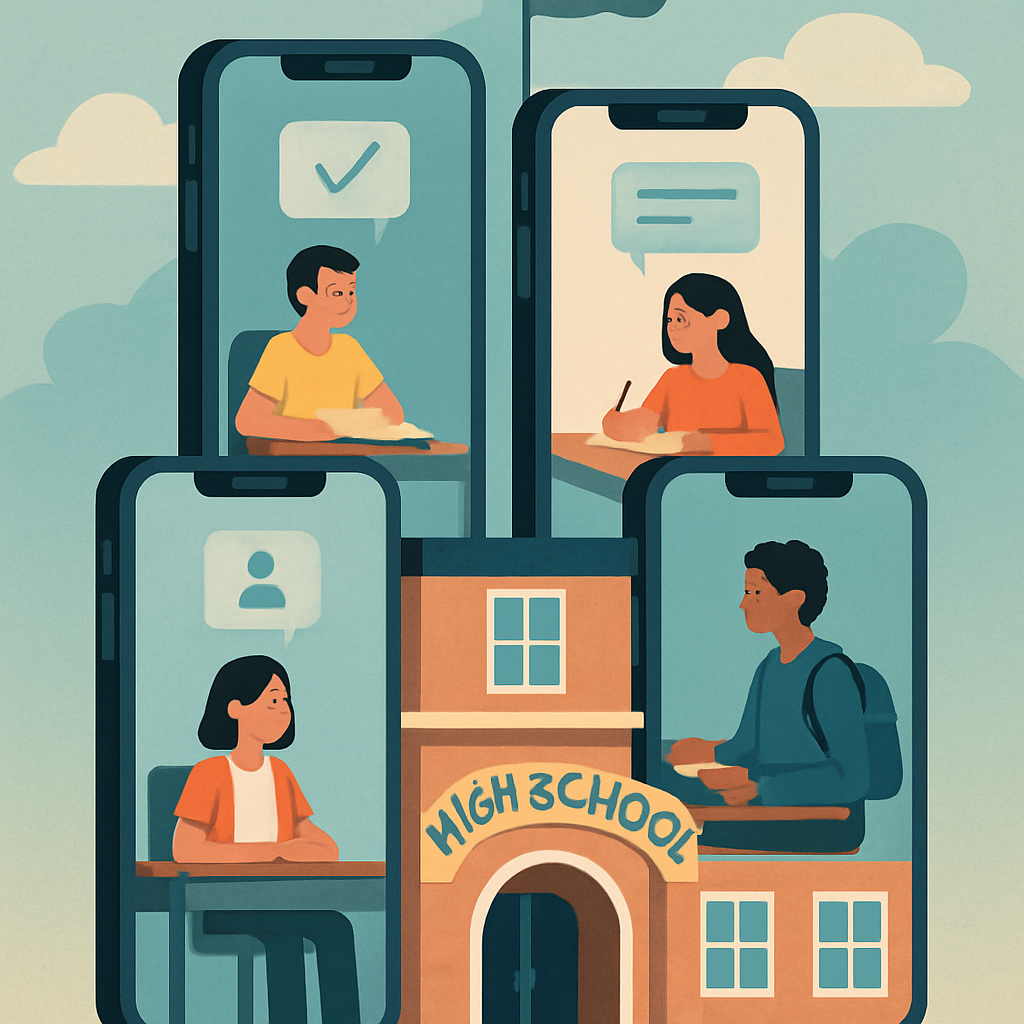
Instagram is expanding its tools for partner schools so that administrators, teachers, and students can share content just among verified student audiences. The new additions—School Stories, Notes, Channels, Clubs & Teams, and a Student Directory—are designed so that sensitive school information, updates, or student interactions can stay within campus boundaries and be seen only by the people who belong to that school’s verified student body.
What’s changing
Schools enrolled in Instagram’s partner program will be able to post through “Channels,” which let admins send announcements to both parents and students. “School Stories” and “Notes” will allow staff and students to post messages viewable only by verified students of that particular school. School administrators will retain moderation tools, including the ability to remove posts.
In addition, any member of the school—students or staff—can set up “Clubs & Teams” as hubs for collaboration and sharing of relevant information. A “Student Directory” feature will also become available, allowing students to see and connect only with their peers at the same school, and only if both parties are teens and mutually follow each other.
How it works & safety measures
The new features are meant for use outside of class hours. Instagram’s settings for teen accounts allow guardians to block app usage during regular school times. To verify which students belong to a given high school, Instagram employs UNiDAYS—the same verification system used by Apple for access to its education deals.
These changes build on a school partnership initiative launched last year aimed at reducing cyberbullying. That earlier effort promised faster responsiveness for student or staff reports of content that violates Community Standards, along with progress updates when action is taken.
The updates are rolling out now, bringing new tools to schools that want more controlled ways to communicate on Instagram—without reaching beyond their borders. Reports from students or teachers at partner schools will continue to be prioritized under Community Standards enforcement.
Why this matters: Instagram has long faced criticism over its impact on teen mental health—its own research has indicated that many underage users suffer stress around appearance or popularity. Allowing schools to control and restrict content may reduce exposure to unwanted interactions, limit public pressure, and create more private, safer spaces for student expression.
With verification by UNiDAYS and tools to keep communications in-house, Instagram is attempting to offer a school-safe alternative for social networking. Whether these additions will actually reduce cyberbullying or help teens’ mental health will depend heavily on how diligently schools use moderation tools—and how strictly Instagram enforces its policies.