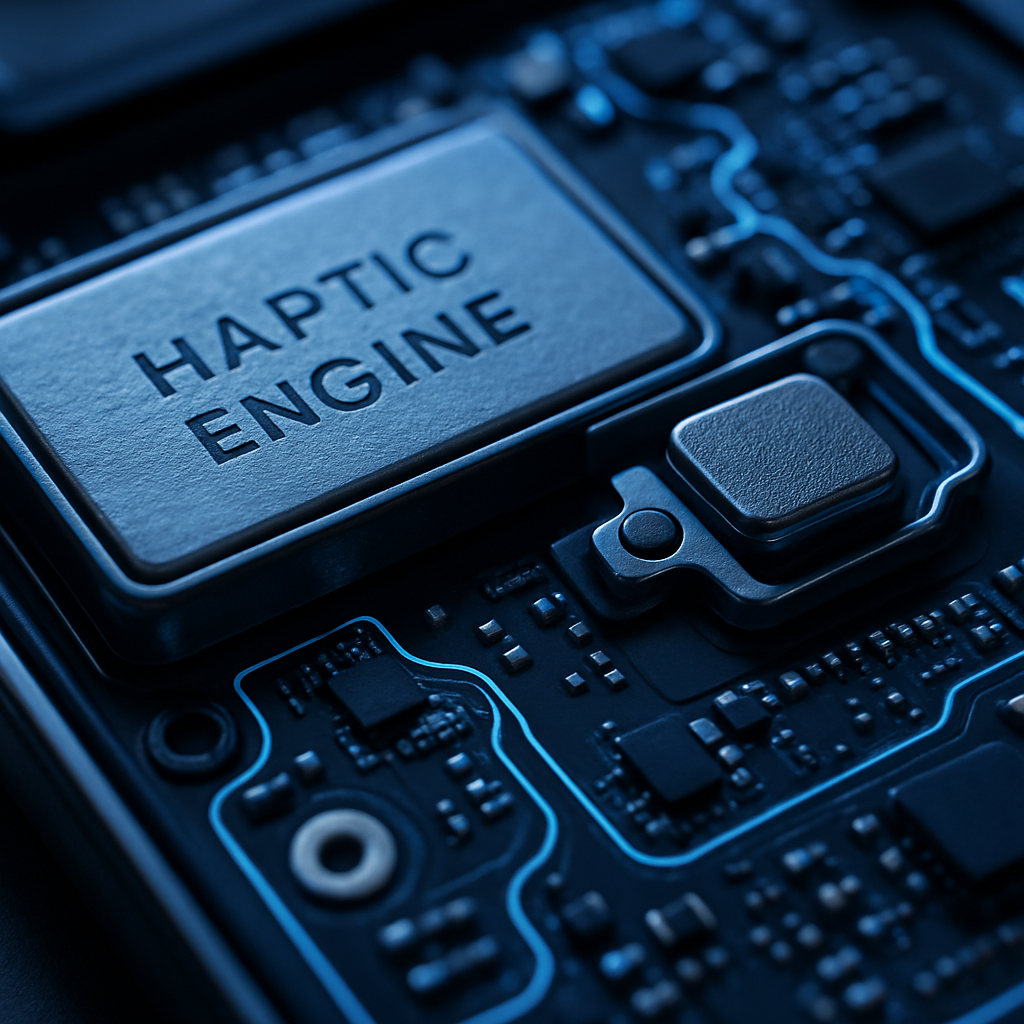
A jury recently found Apple liable for infringing patents owned by Taction Technology tied to its Taptic Engine—used in devices including the Apple Watch—and awarded damages exceeding $5.7 billion. Legal fund Burford Capital, which backed Taction, was expecting a payout of $1.4 billion. However, legal experts and Burford alike believe neither sum will likely hold up as-is.
The main reasons for this expected downgrade lie in post-verdict legal action. Appeals, motions for reduction, and potential settlements are typical in large patent litigation cases. In this instance, Apple has declared its intention to challenge the verdict, including the findings of infringement.
How it got here
Taction’s case began in April 2021, targeting Apple’s Taptic Engine. In the early stages, the U.S. District Court for the Southern District of California ruled in Apple’s favor. But in 2025, the Federal Circuit vacated that decision—concluding that key expert testimony had been unfairly excluded in the original trial and that Taction’s claims were improperly narrowed.
The do-over trial led to the current verdict, with the jury confirming infringement (though rejecting a claim of willful infringement) and setting damages at over $5.7 billion. Apple has already formally disagreed with the outcome and is appealing.
Why the hard numbers might not stick
Even Burford Capital acknowledges that multi-billion dollar damage awards almost never survive completely intact. The typical legal journey following a verdict—filing appeals, post-trial motions like remittitur (asking the court to reduce the award), and settlement discussions—usually chips away at the total.
Adding to the fragility of the verdict, the jury determined Apple did not infringe knowingly. With no finding of willfulness, potential punitive damages or enhanced fees are less likely, which gives Apple a stronger position in appeals or future settlement talks.
Lawyers for Taction might see their anticipated fee item, backed by Burford, reduced too. Since legal fees in such cases are often tied proportionally to what is actually collected, any cut to the damage amount weakens the financial outcome for the entire legal team.
In short, the seminal verdict marks a clear win for Taction Technology—but one threatened with significant shrinkage. Apple’s appeal, typical post-trial procedures, and the lack of a willfulness finding all suggest the $5.7 billion number is far from etched in stone.
What this means in a broader sense is that gigantic patent verdicts—even when they seem decisive—often become much smaller once the legal dust settles. For companies and litigants observing from the sidelines, the closing chapters of this case—appeals, motions, any settlement—will likely matter more than the initial figure. It’s a reminder that in intellectual property litigation, headline numbers are only provisional; the real verdict comes afterward.