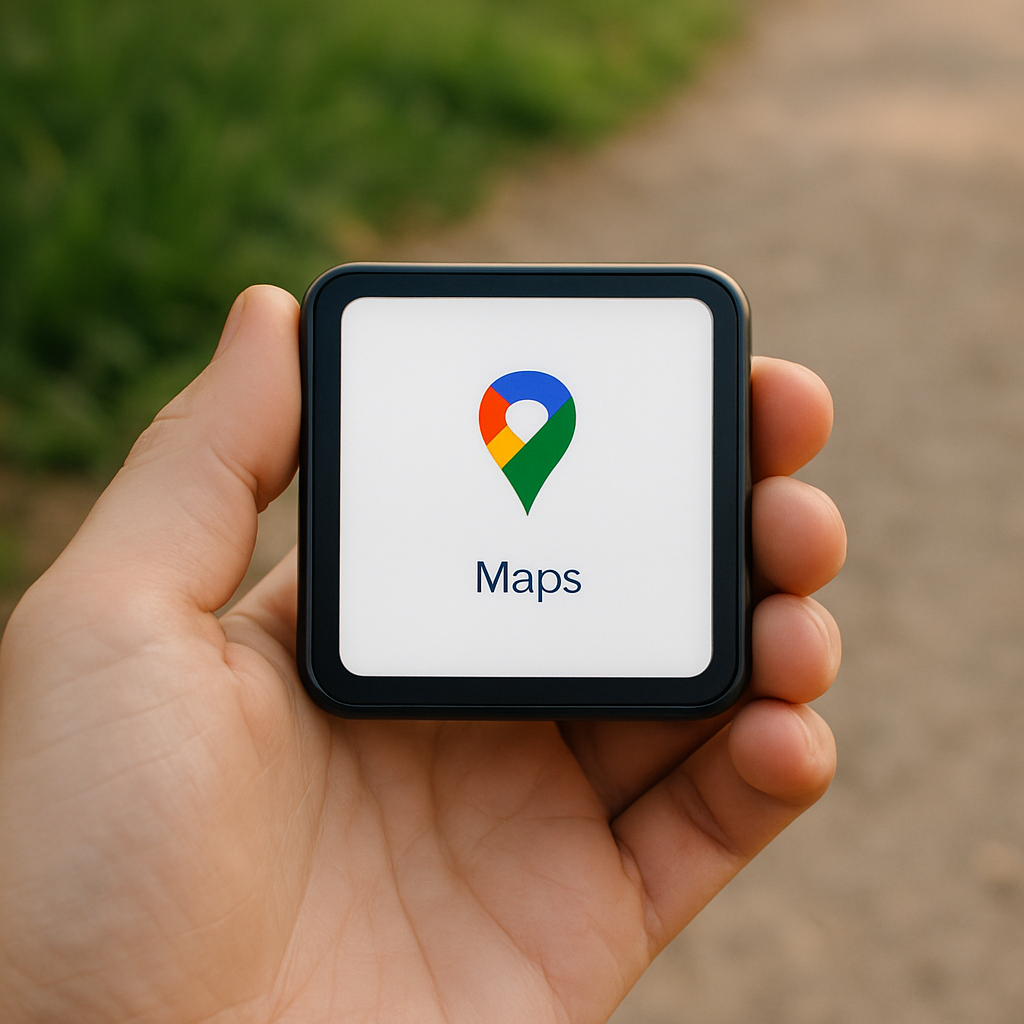
Meadow is a new minimalist companion phone designed for moments when you want to leave your smartphone behind without cutting off essentials. Its creator, entrepreneur Shreyas Narlanka, calls it a way to unplug and be more present, without fully disconnecting. Meadow isn’t meant to replace your main device—it runs Android with key functions like calling, streaming, ticket scanning, maps, and notes—but scrubs out distractions like social media, email, and a web browser.
What Meadow offers—and what it leaves out
The device ships with native support for apps users frequently need: navigation, Uber, Apple Music, Spotify, voice memos, camera, fitness tracking, notes, weather, clock, and location sharing. Features typically seen as addictive—social feeds, email clients, general browsing—are intentionally excluded. The camera includes only a single rear lens and a small side-mounted mirror rather than a front-facing camera. Photos and videos can be taken freely, but you can only see them on your main phone using Meadow’s companion app once you get home.
Specs, pricing, and how it works
Meadow packs 6 GB of RAM, 128 GB of storage, and a 3-inch touchscreen. It connects over 4G via an included eSIM—your mobile connection, number for texts/voice, and cloud services all run through Meadow’s subscription. Battery life holds up to one or two days under typical usage.
At launch, Meadow is priced at $399 during the pre-order period; once it becomes broadly available, the price will rise to $449. The device ships in mid-2026 for U.S. customers only. Subscription services cost $10/month (or about $120/year) for cellular access, unlimited photo storage, and messaging. The first nine months are included with every device purchase.
Using Meadow in daily life
Unlike many “dumb” phones, Meadow takes a “companion” approach—it expects you to keep your main smartphone as backup. To use Meadow, you’ll set up a separate phone number tied to the device through its subscription; your usual number cannot be used directly on Meadow. Notifications from your other phone don’t forward automatically. That said, during setup you can allow up to 12 “trusted” contacts—only those people can call or text you on Meadow; all others are blocked.
Reviewer experience shows Meadow handles key outdoor situations well: displaying tickets, streaming music to pass time, GPS navigation—all without needing your smartphone. The square design feels unusual and there are trade-offs: the screen can feel too bright in dark settings, and photos aren’t great in low light. Some early bugs (like delayed Uber ride status) were reported, but the team says fixes have been made.
For context: Meadow joins a growing category of minimalist devices aimed at reducing screen time and distraction anxiety. Unlike devices like the Light Phone or Wisephone, Meadow occupies a middle ground—with smartphone-level utilities for essentials, but strict limits around distraction-prone ones.
Whether Meadow succeeds depends largely on individual priorities: if you can stand carrying two devices and juggling a second number, it may deliver real peace of mind. For those unable or unwilling to pay a subscription, or who value full integration, this design may feel more frustrating than freeing. Still, Meadow’s emergence reflects a broader shift: many users aren’t just seeking more powerful phones—they want devices that protect attention and enforce intentional boundaries. What Meadow gets right is offering freedom from notifications, rather than from being reachable. Watch whether competitors follow with similar trade-offs—and see how Meadow’s software limitations evolve as power users put them to the test.