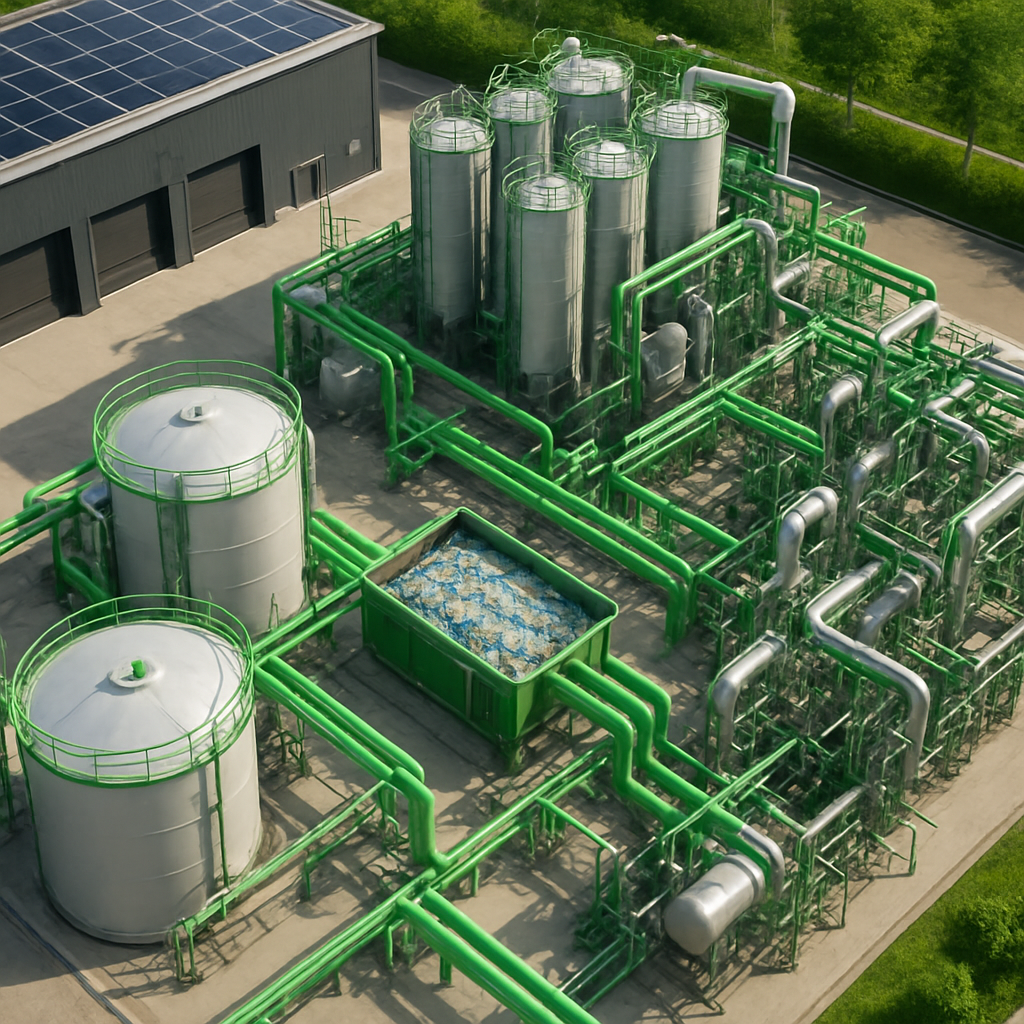
MacroCycle, a plastics recycling startup based in Cambridge, Massachusetts, revealed a partnership with Meta that will help build its inaugural commercial plant. Founded three years ago, MacroCycle has developed a method to clean and recycle PET plastic—used in bottles, containers, and textiles—in a way that strips out contaminants. The company asserts this process delivers roughly 80% fewer carbon emissions compared to producing virgin PET plastic.
How Meta’s Deal Sets the Stage for Cleanup
Under the agreement, Meta will purchase environmental attribute credits (EACs) from MacroCycle, effectively paying for the emissions reductions the startup’s process achieves. This deal gives Meta the right to count those emissions savings toward its own sustainability goals—especially relevant as its carbon footprint has grown amid its AI operations.
The revenue from these EACs will fund MacroCycle’s first large-scale facility, which is planned in the U.S. The demonstration plant is projected to yield around 5,000 metric tons of recycled plastic annually. Eventually, planned follow-up plants aim to produce up to 50,000 metric tons per year.
Fresh Recycling Tech & U.S. Manufacturing Ambitions
MacroCycle’s technique uses solvents rather than high heat to dissolve and purify post-consumer PET and other plastic waste streams—most notably including textile waste, which has among the lowest recycling rates in materials. After removing contaminants, the process yields “macrocycles”—closed-loop polymer rings that can be reopened and re-linked into high-grade recycled plastic indistinguishable from virgin material.
By sidestepping heat, the process saves energy and potentially cost, giving hope for domestic production of recycled textiles at prices competitive with imports. The U.S. textile sector has seen dramatic decline over the past 25 years, with employment falling by about 85%. MacroCycle is now lining up buyers for its output—and the Meta deal is expected to make future alliances easier to secure.
This marks Meta’s first contract of this kind, signaling an interest in seeding demand for low-carbon materials like recycled plastics—both for its packaging and hardware needs. As the market for sustainable materials grows, the theory is that wider adoption will help drive down costs and shrink supply chain emissions in technology manufacturing.
Why this matters: MacroCycle’s approach could shift how large users of plastic material—like tech companies—measure and reduce their environmental impact. Purchasing emissions credits tied to specific material improvements ties sustainability claims to real manufacturing changes, not just offsets.
What to watch: whether the first plant meets its emission reduction targets and cost projections; how quickly MacroCycle can scale to its 50,000-ton goal; and whether other major companies follow Meta’s lead, creating broader demand for recycled PET.