Apple’s 20th-anniversary iPhone, widely dubbed the “iPhone 20,” is shaping up to be the most ambitious redesign since the iPhone X. While its expected release remains around September 2027, a wave of leaks over recent months sketches out at least seven major upgrades that could redefine Apple’s flagship phone. Here’s what appears to be in the works.
What’s New: Hardware Overhaul
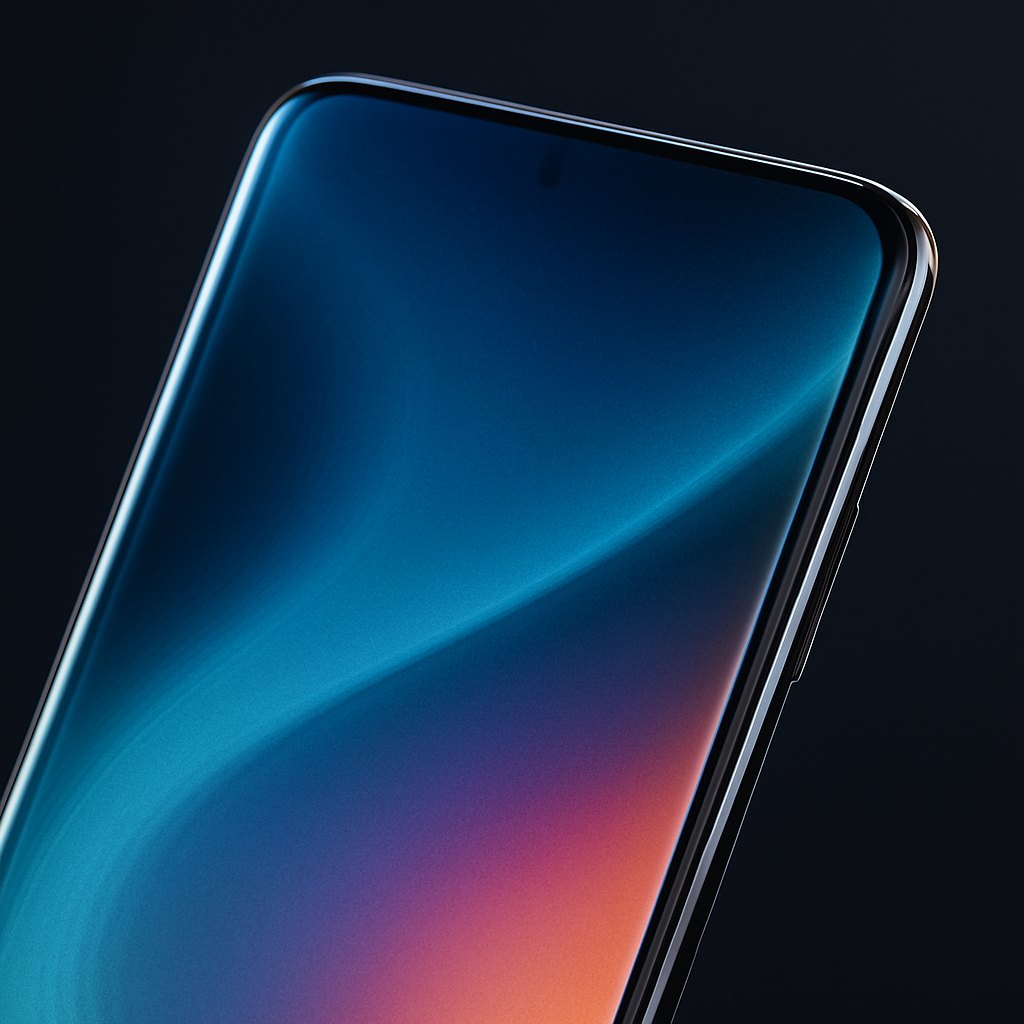
The most immediately striking change could be the shift to a quad-curved, all-glass design. This would mean the frame becomes visually invisible under the curve of the display, creating a seamless slab of glass. Reportedly, Apple is collaborating with Samsung to manufacture an “equal-depth quad-curved” display to make this possible. The goal: an ultra-sleek, edge-to-edge aesthetic unlike any prior iPhone.
Under the hood, the display tech is said to be upgraded as well. The iPhone 20 may use Samsung OLED panels built with Color Filter on Encapsulation (COE) technology, which reduces the stack’s thickness, boosts brightness, and cuts down on power draw. It’s not just about looks — it’s about performance and efficiency.
Another visual cleanliness upgrade: the full removal of front‐facing camera and Face ID housings. Apple is testing under-display versions of these components so that no cutouts or visible sensors interfere with the screen. Whether this reference will make it into the final product is still unknown.
Input, Internals & Imaging
Physical buttons may vanish, replaced by solid-state, haptic-feedback versions built directly into the frame. Volume, side, action, and camera controls could all lose moving parts but still deliver tactile response through haptics.
Apple is reportedly pushing to use its own modem in U.S. versions—marking a substantial shift from reliance on Qualcomm. The new modem is expected to deliver enhanced speed and AI features. Meanwhile, overseas versions might continue with existing chips like the C2.
In cameras, Apple has a custom stacked image sensor prototype under test, using LOFIC technology to give each pixel variable light-storage capacity. Early reports suggest up to 20 stops of dynamic range could be possible, aiming for a major leap in low-light and HDR photography.
Chips, Power & Performance Enhancements
The A21 chip is tipped to be Apple’s first second-generation 2-nanometer processor, likely reserved for these anniversary models. It would follow the expected A20 in the iPhone 18 series and bring efficiency, power, or both.
Battery tech is also under rethink: a silicon anode battery under evaluation could increase energy density, holding more lithium ions per gram and extending battery life without increasing battery bulk. Combined with more efficient displays and chips, this could meaningfully boost real-world use time.
Finally, Apple is examining mobile high-bandwidth memory, possibly with vertically stacked DRAM. The aim: speed up memory throughput, especially to support more intensive AI computation directly on the device.
Size & Timing
The anniversary model lineup is expected to maintain two size options, similar to those revealed in the September 2026 set. Rumored display sizes are roughly 6.3-inch and 6.9-inch for Pro and Pro Max style versions.
That said, development remains fluid. Some of these features—particularly under-display Face ID and camera systems—have been anticipated before and delayed. With at least a year until launch, Apple still has time to iterate or drop certain ideas.
The potential here is nothing short of transformative. If even a portion of these upgrades make it into the final product, the iPhone 20 could represent the boldest evolution in Apple’s hardware in over a decade, blending radical design, AI-era internals, and performance leaps.
Why This Matters: Apple typically saves its most radical advances for milestone models, and the iPhone 20 could be that. With smartphones increasingly defined by AI, efficiency, and seamless design, these rumored changes—if they land—could reset expectations for all premium phones. What to watch for over the next year: testing of under-display sensors, the readiness of Apple’s modem, and whether solid-state haptic buttons offer enough tactile fidelity. The coming months will reveal just how much of this vision becomes reality and how much remains ambition.