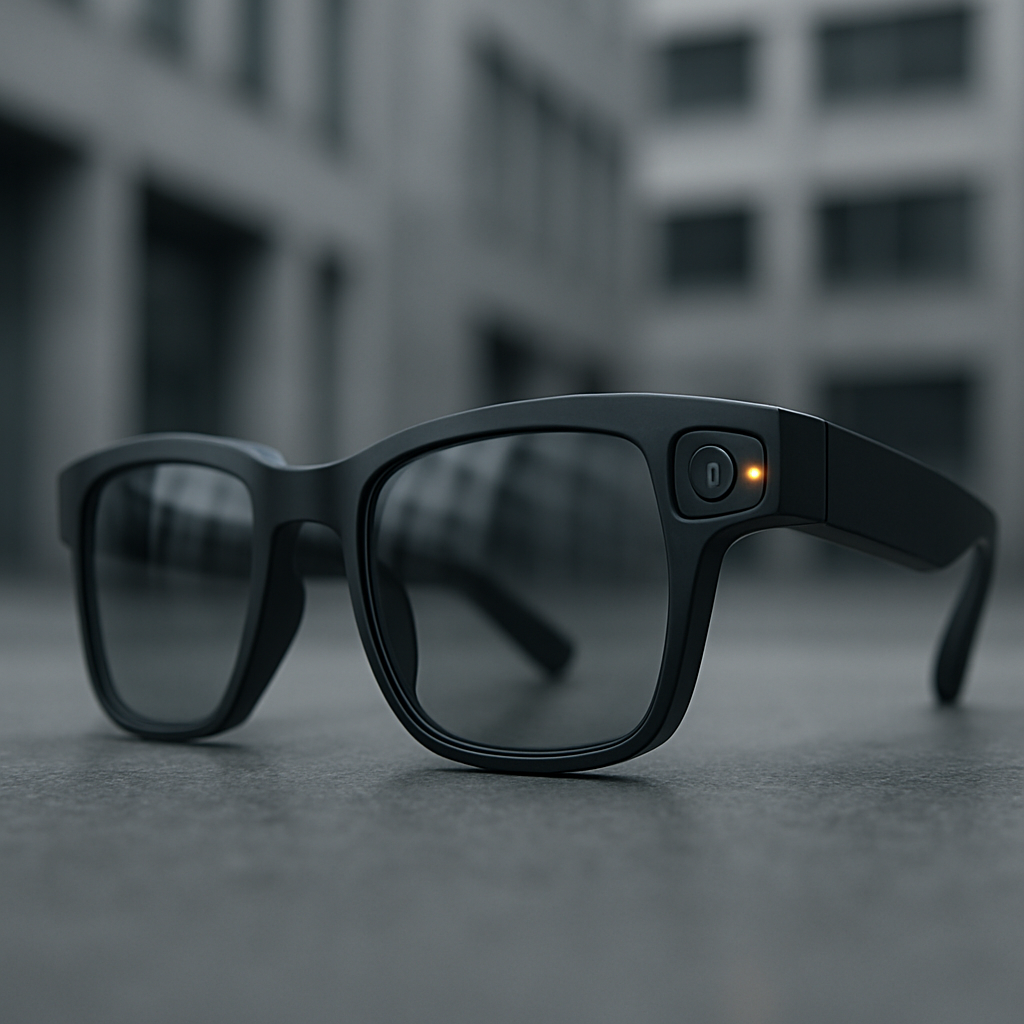
Smart glasses once promised a seamless fusion of wearables and vision, offering everything from mixed reality overlays to hands-free snapshots. At the heart of that promise has been the camera—yet it’s the same feature that now risks undermining the whole concept. Cameras built into smart glasses are increasingly seen not as fringe tech but as symbols of distrust, with misuse and privacy concerns eroding user confidence.
Current smart glasses focus on two main approaches. One is mixed-reality, where translucent displays overlay digital content on your view of the real world—an ambitious vision that remains technically complex. The other is simpler: audio-based wearables enhanced by a built-in camera for point-of-view recording, scene description, and other AI-powered visual tasks. The latter is more common in today’s consumer products.
The appeal is real. Devices like Meta’s Ray-Ban smart glasses turned heads by letting users capture first-person video, share moments spontaneously, and engage with features like translation or menu scanning. Early testers found genuine value in having the camera ready to assist. The draw wasn’t slick displays or grand promises—it was practicality.
But that enthusiasm has cooled. Cameras on smart glasses have come under fire for enabling misuse and triggering discomfort in public. Issues with Ray-Bans revealed deeper flaws: distrust stemming from privacy mismanagement by the maker, rumors of facial recognition, leaks that human moderators viewed supposedly private videos, and persistent issues with the visibility of recording indicators. These combined to erode goodwill fast.
Trust Takes a Beating
The backlash against Meta’s smart glasses has left a lasting mark. For many, even well-intentioned camera features now carry suspicion. Users don’t just worry about design; they worry about whether someone might film them without consent. The experience that should feel futuristic now feels invasive.
Compounding the problem is how slowly companies addressed these concerns. The small light meant to signal recording was easy to obscure on Ray-Bans, and it took until July this year for a software fix to come. Only now are certain legal and technical loopholes being closed—far after the features generated widespread concern.
The Road Ahead: Camera or No Camera?
New XR glasses from Google and Samsung are set to include cameras in every design. Creators insist protections are in place, including safeguards against tampering with recording indicators, but the reputational gauntlet is steep. The term “perv glasses”—a shorthand for fear of surveillance or misuse—already dominates the public conversation.
There are alternatives. Some smart glasses offer rich audio functionality without ever including a camera. Others emphasize privacy and context-aware AI, using environmental sensors instead, or putting control firmly in the wearer’s hands. These options may currently feel like trade-offs, but they may regain appeal as trust realities sink in.
We’re far from a pivot point—it takes years to settle the technical, social, and regulatory issues here. But we’re already seeing just how fragile public trust can be, especially around wearable cameras. If future smart glasses want to succeed, they’ll need more than hardware bells and whistles. They’ll need clarity, privacy built in, and above all, a renewed contract of trust with users.