Smart glasses have long included photo and video functions. But recent backlash against Meta’s glasses is prompting a rethink: some now believe Apple’s rumored glasses, expected next year, should ditch photo/video capabilities in favor of user privacy. That marks a dramatic change for many who once saw a camera as essential.
From “glassholes” to growing distrust
The term “glassholes” became infamous during the Google Glass era, when the prospect of constant recording stoked serious privacy concerns in 2014. Businesses and public places banned the product, and many users found themselves socially stigmatized. Now, similar criticisms are targeting Meta’s Ray-Ban smart glasses. Reports have emerged of people using them to secretly record others—especially women—leading to labels like “perv glasses.” The public discomfort has become loud enough that even users are worried about wearing them in everyday settings.
A camera-free alternative gains appeal
Amid this growing backlash, the idea of smart glasses without cameras is getting serious consideration. Apple’s expected glasses have been rumored—by many—to include photo and video recording. Early in the year, some experts questioned whether Apple would leave out those features. But seeing the controversy surrounding Meta has changed minds. One reviewer who initially doubted the wisdom of a camera-free model has now become convinced that it’s the only sensible path.
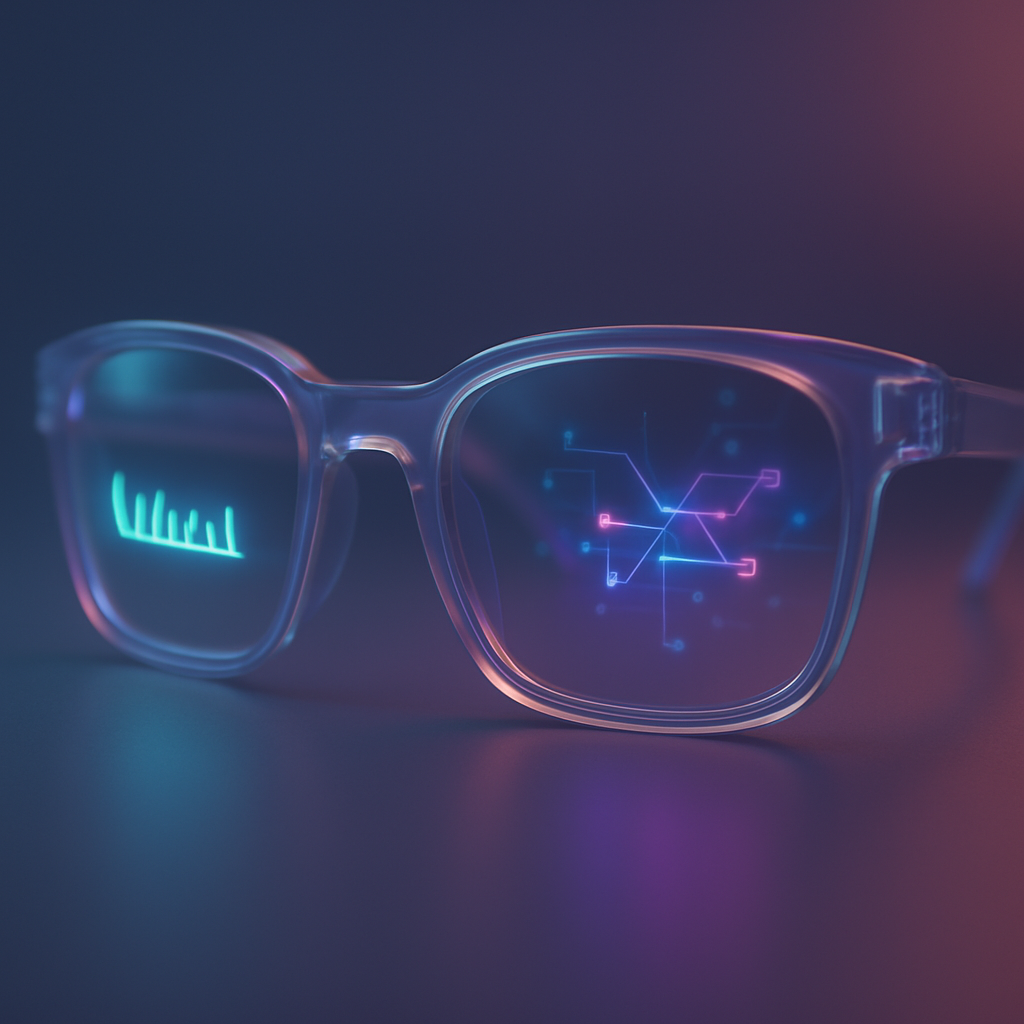
Personal experience helped shift that opinion. This summer, a pair of smart glasses with a display—but no camera—were tested. Early impressions were strong. The device provided much of the utility of smart glasses—display notifications, information, perhaps augmented reality features—without the risk of unwanted recording. It became clear that a camera might no longer be a device users want if this level of privacy doesn’t come at the cost of functionality.
What Apple Glasses could look like
With Apple’s reputation for pushing user privacy, many now expect the company to manufacture its smart glasses in a way that includes a camera for internal purposes—such as powering AI features—while preventing user access to video. It’s a model following recent trends, such as Audio Intelligence on Apple Watch, where the hardware exists but users don’t see raw recordings. The same could be true for upcoming glasses.
Of course, there’s still the possibility Apple will include full photo/video. But the changing public mood suggests that any visible recording capability will receive close scrutiny, both socially and in regulatory terms. With widespread discomfort around stealthy filming, Apple could avoid controversy by removing—or severely restricting—user-facing camera features.
This rethink ends what many assumed would be a fixed feature list. The widespread rejection of Meta’s secret recording abuse has shown that what consumers once wanted may no longer be acceptable. “Must-not-have” features could replace “must-have” ones in designing wearable tech. What this means is that Apple, with strong privacy credentials, may be in a position to lead the next wave of smart glasses—ones built less for spectacle and more for trust. Moving forward, we should watch closely whether Apple confirms—or pushes back on—the idea of disappearing cameras in its upcoming devices, and how consumers respond to that decision too.