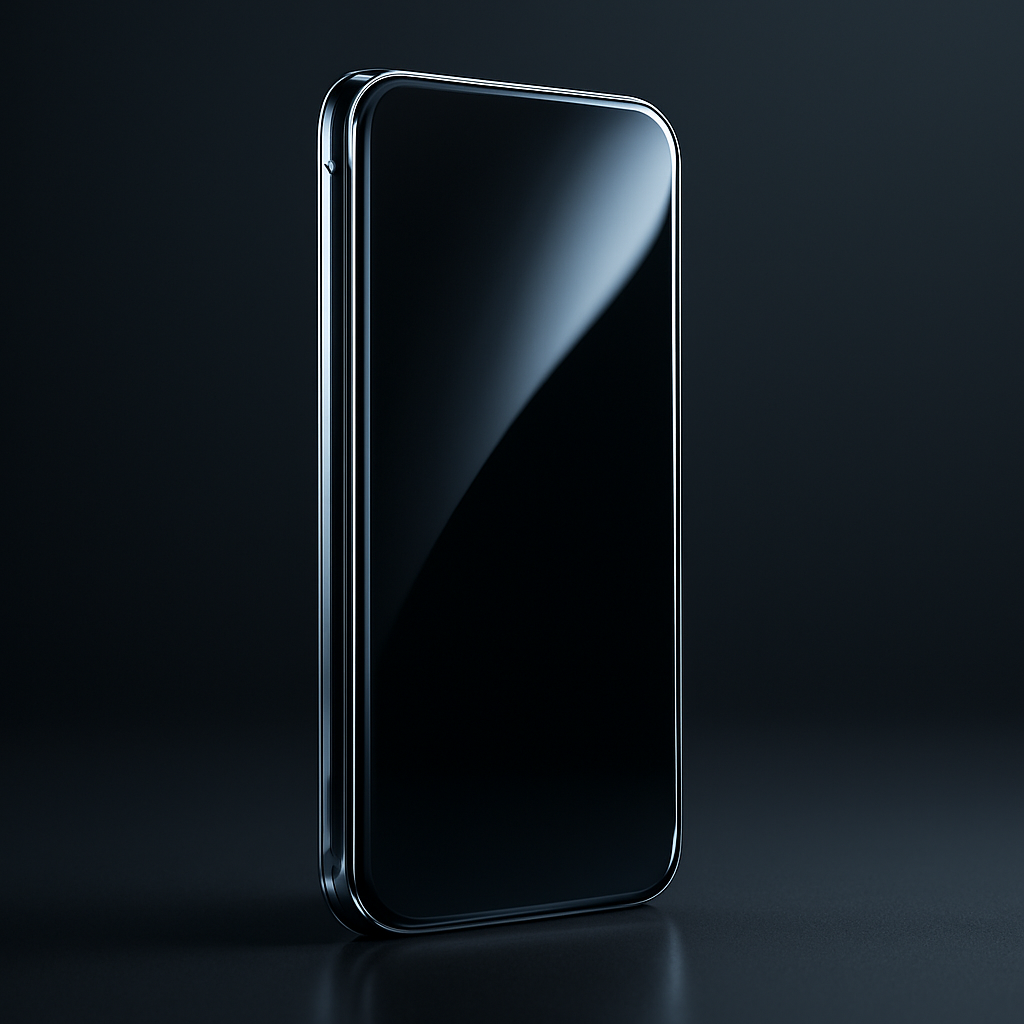
Apple’s upcoming foldable iPhone, the iPhone Duo, is set for pre-orders on October 16 and will begin shipping October 23. But insiders warn that snagging one at launch could be a serious challenge. A fresh analyst report estimates that only about 6 million units of the Duo will ship in 2026 — down from prior predictions of 7 million. That’s a far cry from the 72 million expected for the iPhone 18 Pro and Pro Max combined.
The primary roadblock behind the reduced numbers? Apple is reportedly grappling with “hinge constraints” that are slowing down production. These hinge issues aren’t due to demand — which appears strong — but rather limitations tied to manufacturing the foldable hardware at scale.
Launch Timing and Pricing Set the Bar
Unlike its Pro models, the Duo won’t follow Apple’s usual September release cadence. Instead, its rollout begins in mid-October, instantly separating it from Apple’s standard device launch rhythm. With a starting price hitting an unprecedented $1,999 — the highest ever for an iPhone — the ecosystem is watching how these factors play into both demand and supply.
Despite big expectations, the Mischief of the hinge—design, durability, alignment—all of these likely affect yield rates, leading to the constrained forecast. Analysts view the lower output in 2026 as more than just a one-quarter issue—it hints at supply constraints Apple will need to navigate not just at launch, but potentially through the fall.
For comparison, the Pro models (iPhone 18 Pro and Pro Max) are expected to dramatically outnumber the Duo, shipping roughly 12 times more units this year according to current estimates. That disparity underscores just how limited the Duo’s availability could be at first.
For buyers anticipating the Duo, these early numbers suggest that placing a pre-order won’t guarantee a swift delivery. Expected delays or tight regional allocations could become the norm, especially in markets outside Apple’s strongest launch zones.
What this all means is that Apple is betting big on its first foldable iPhone, even as it contends with early production hiccups. How well it handles those constraints could influence the device’s perception right out of the gate.
From a broader perspective, the Duo’s constrained launch foreshadows the challenges of introducing foldable hardware at scale. The hinge has repeatedly emerged as the technical bottleneck across foldable phones from all brands. For Apple, mostly known for tight control over hardware design and manufacturing, this may be among the toughest supply-side tests yet.
Watch carefully: production tweaks or supply chain breakthroughs could shift expected volume. But based on current projections, securing an iPhone Duo on Day One may require either lightning-fast ordering or, more likely, patience.