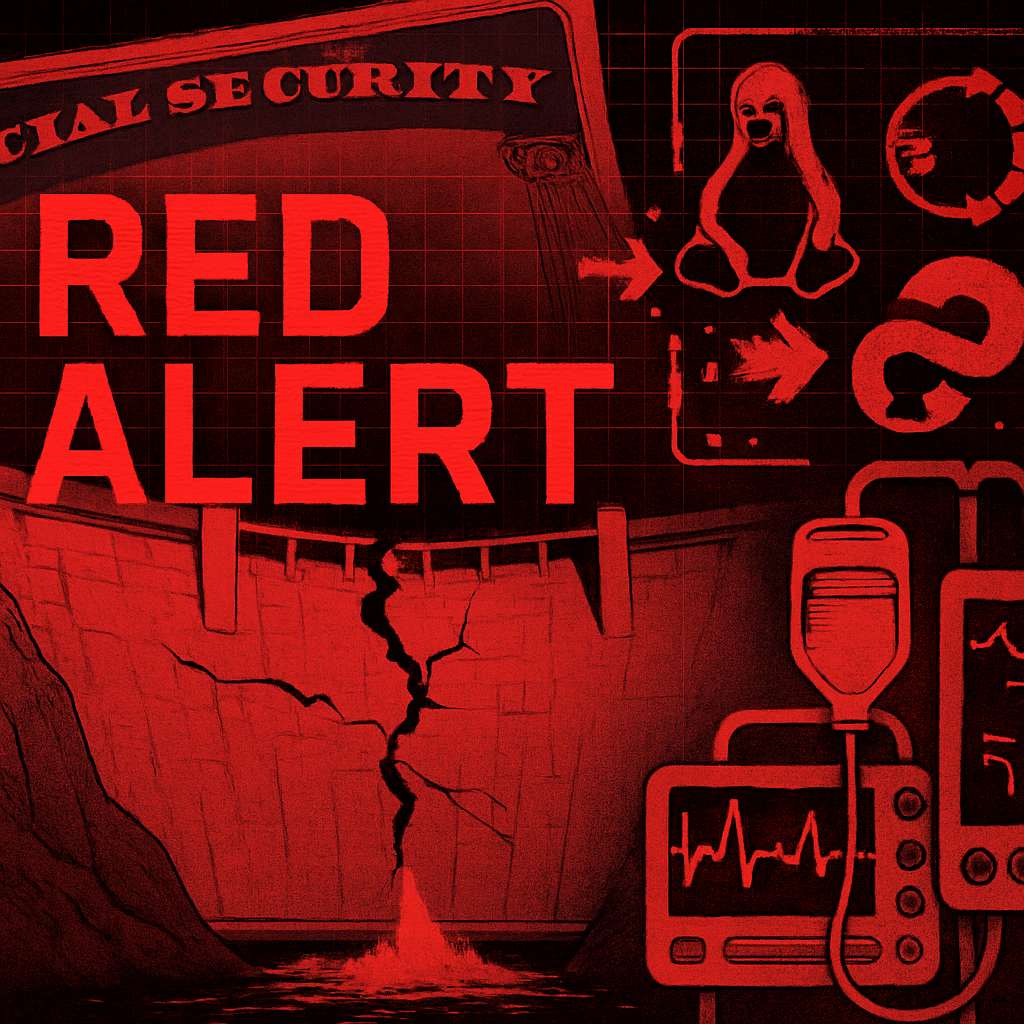
Cyberattacks in 2026 have escalated beyond isolated breaches—what we’re seeing now are systemic violations across government, infrastructure, healthcare, and private sectors. From massive leaks of social security numbers to attacks on critical infrastructure, these breaches aren’t merely headline fodder—they underline a dangerous shift in scale, motive, and impact.
Data exposed and power compromised
One of the year’s most alarming stories involves the Social Security Administration. Agents from a federal entity known as DOGE reportedly uploaded a live copy of the Social Security database to an unsecured external server. That data could include nearly every living American’s social security number and personal information. The SSA itself, according to court documents, isn’t certain what was stored, illustrating widespread uncertainty and risk. Some congressional leaders now say this may be the largest breach of personal data in U.S. history.
Meanwhile overseas, energy and water systems have become frequent targets. European power plants and a dam in Norway experienced attacks that caused physical damage or potential safety risks. In the U.S., over 100 water utilities—many underfunded—came under threat from Iranian-linked hackers. Basic cybersecurity shortcomings in such utilities make them especially vulnerable.
High-profile corporate breaches and open-source vulnerabilities
Market intelligence firm Klue saw its systems breached via a pilot credential that was never properly decommissioned. The attackers didn’t just steal from Klue—they accessed keys to other companies’ cloud services and demanded ransom payments in exchange for suppressing stolen data. The incident affected close to 200 organizations, including cybersecurity heavyweights.
Social media wasn’t spared: thousands of Instagram users were locked out of their own accounts after attackers fooled Meta’s AI chatbot into authorizing password resets. Impersonating victims, they diverted reset codes—without any system failure across the platform itself.
Government investigative tools also came under fire. The FBI disclosed that a surveillance system was breached, potentially exposing phone numbers and data related to communications surveillance. Not long after, the ATF revealed its own incident involving a system that contained live targets of ongoing investigations.
Perhaps even more worrisome are attacks on open-source tools. Platforms relied upon by Big Tech, like Bitwarden and tools like Aqua Security’s Trivy, were compromised. Malicious actors used stolen credentials and backdoors to undermine trust in the code, leading to downstream compromises. Among the victims: Vercel and OpenAI, as well as EU institutions that had their cloud keys stolen.
Personal, health, and regional fallout
Identity verification suddenly feels more precarious. At least 150 million U.S. and Canadian driver’s licenses and passports were stolen from a vendor named IDScan. The attackers offered the data on the dark web, turning sensitive identity checks into potential liabilities.
Healthcare has also suffered devastating intrusions. In one breach, 15 million dental care customers had health data stolen. Another incident at a medical records host exposed records belonging to nearly four million people. Earlier, a software provider named Aesto experienced a break-in affecting close to 9.5 million patients across practices that used its services.
Corporate resilience was tested in other ways. Hasbro experienced weeks-long disruptions in its consumer-facing systems, with its website down and delays in critical filings. Educational technology provider Instructure (known for the Canvas platform) was breached, first by exfiltration and then defacement—locking out students during finals and eventually paying ransom despite federal discourage.
Destructive attacks, rather than theft, have shifted from fringe to front-and-center. Medical device giants Stryker and Boston Scientific were hit by Iranian-linked actor(s) that wiped or disrupted internal systems. In Stryker’s case, tens of thousands of employee machines were wiped remotely. Boston Scientific’s global network was cut, impacting patient services, production and orders for weeks.
The pattern is clear. Hackers are no longer content with quiet espionage or stealthy theft. Increasingly, they’re moving to disrupt, expose, and demand payment. The entities once thought to be safe—open-source tools, healthcare systems, utilities—are now frequent targets. The lines between digital warfare, public safety, and corporate security are blurring.
Why this matters: these aren’t one-off events—they’re signals. Every compromised utility, every breached medical provider, every exposed document turns trust into currency that’s hard to recover. Policymakers, CISOs, and everyday users must rethink what protection means: more rigorous decommissioning of access, strict supply chain audits, real-time threat monitoring. The worst of 2026 hasn’t shown mercy—but what happens next matters even more. Watch for full identity regulation, upgraded open-source vetting, and penalties that finally hit attackers where it hurts.