OpenAI has agreed to acquire Glass Imaging, a startup focused on AI-powered smartphone camera technology, for over $300 million. Based in Los Altos, California, the company was established in 2019 and has raised about $30 million prior to the acquisition.
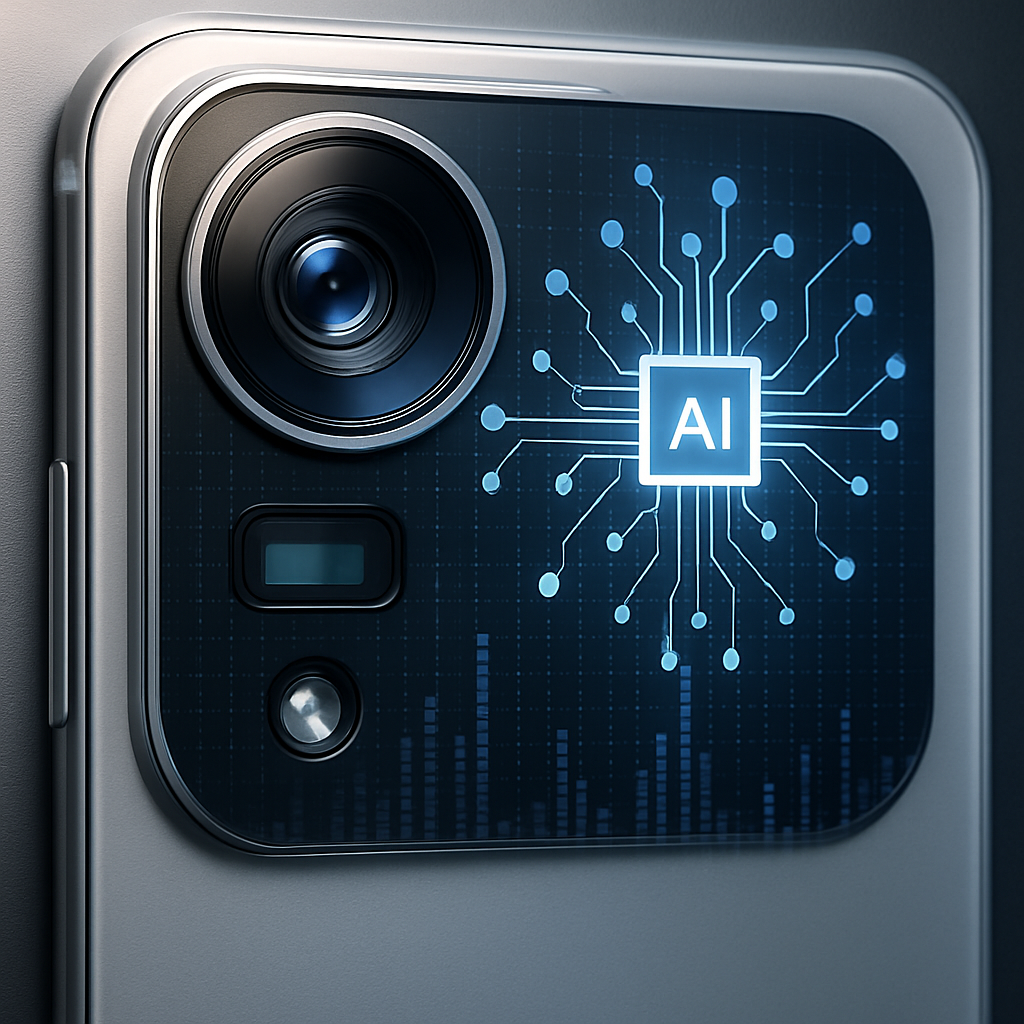
The founders, Ziv Attar and Tom Bishop, both former Apple engineers, had roles in developing Apple’s Portrait Mode. At Glass Imaging, their team has taken the idea further: using neural networks that calibrate to the peculiarities of different phone camera systems to enhance image quality at the moment a photo is taken—not merely through post-processing.
This move fits into the company’s larger hardware ambitions. OpenAI has been rumored to be working on devices like its own smartphone, earbuds, and other AI companions. The acquisition of Glass Imaging brings in imaging expertise that could be critical to those projects.
Earlier in 2025, OpenAI also acquired the design-focused startup led by Jony Ive in a $6.5 billion deal, one that included plans for a device venture internally referred to as “io”.
Why Glass Imaging Matters for Smartphone AI
Phone camera systems are challenged by size limits: there’s only so much physical hardware can do before things like lens size or sensor quality hit constraints. Glass Imaging tackles that by using AI to compensate, learning per-device distortions and lens behaviors so images look better straight out of the camera.
This is a different approach from systems that simply apply software filters or edit images after they’re shot. It’s more proactive—making the hardware smarter in real time. In a future where smartphones are expected to do much of their magic via AI, being able to improve image capture from the shutter click could deliver more natural, better-lit photos with fewer artifacts or noise.
What This Tells Us About OpenAI’s Strategy
The deal signals OpenAI’s intention to extend its AI capabilities into hardware, especially in imaging—where perception is deeply tied to quality. As AI models continue to improve, the bottlenecks often shift to the input: how clean is the signal the sensor sends in? A smarter camera system helps address that.
While there’s no confirmation yet of when the Glass Imaging tech will show up in consumer devices, this acquisition underscores how OpenAI is building not just for generative models, but for the devices and sensors that deliver content and inputs. It’s a reminder that AI’s power depends as much on the data it gets as on what it can compute.
What to watch next: whether OpenAI integrates Glass Imaging’s technology into its rumored device lineups, how current smartphone makers respond, and how quickly this changes expectations around camera performance right from the moment you take a photo. It’s a shift from editing to creation—and from passive capture to intelligent perception.