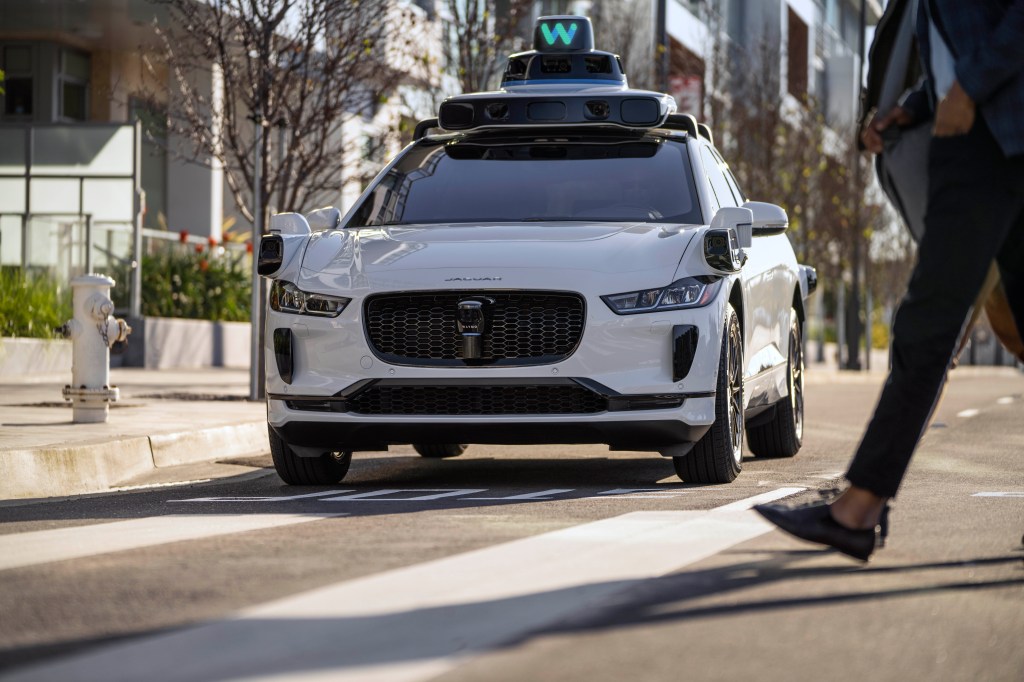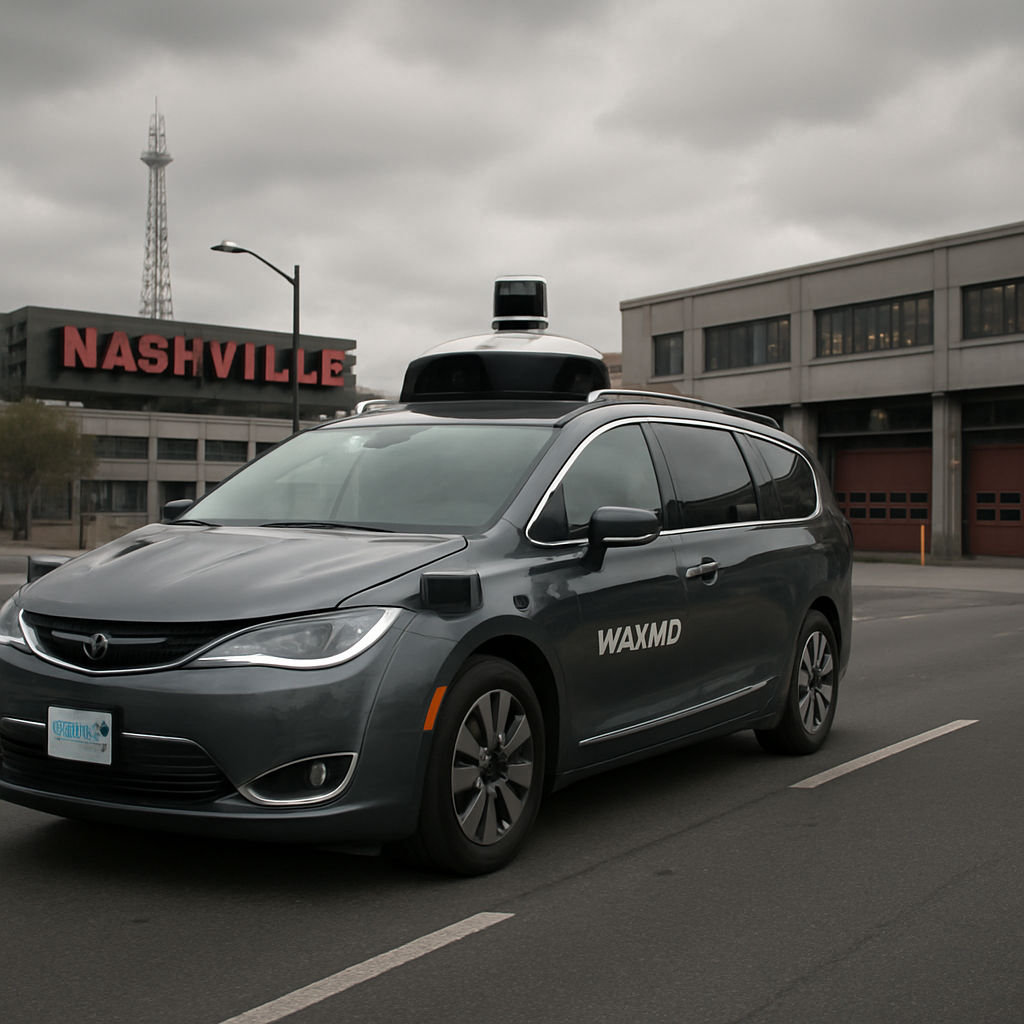
Lyft has officially taken its first step into full-fledged commercial robotaxi operations. In Nashville this week, users of the Lyft app can now hail Waymo’s autonomous, driverless vehicles—marking Lyft’s debut in offering service without a human behind the wheel. Responsibilities such as maintenance, vehicle readiness, and managing depots are being handled by Lyft’s subsidiary, Flexdrive. Riders can request these robotaxis either through Lyft (when available) or directly via Waymo’s app.
How Lyft Arrived at This Turning Point
Over the years, Lyft has explored autonomous systems through various partnerships. Among these were joint efforts with Aptiv (now known as Motional) in Las Vegas, with May Mobility in Atlanta, and with Baidu in London. But until now, those collaborations still relied on human operators or safety drivers. This shift in Nashville—with totally driverless Waymo cars—is its first commercial AV deployment of this kind.
Lyft’s journey toward robotaxis took a different turn when it sold off its internal autonomous vehicle unit—Lyft Level 5—back in 2021, offloading the tech to Toyota’s Woven Planet Holdings for $550 million. After the sale, Lyft refocused on scaling up its ride-hailing core business, though it never fully abandoned intentions tied to AVs.
What’s Next: Expansion and Global Reach
Lyft’s leadership has signaled that Nashville is just the start. Jeremy Bird, the company’s executive VP for growth who also oversees autonomous vehicle strategy, hinted at broader expansion in 2027. The company aims to deepen its partnerships with Waymo and Baidu, particularly abroad—London is a key target for commercial robotaxi operations.
Internationally, Lyft favors markets where it can launch hybrid mobility services, combining human-driven vehicles with AVs. Regulatory environment seems to be a major factor in choosing these regions. Markets where AV tech is already accepted or where policies are amenable to autonomous vehicles will likely be prioritized.
This move puts Lyft in a prominent position alongside other players advancing driverless transport. Lyft’s full embrace of Waymo’s robotaxis offers a working model for how ride-hail companies might integrate AVs into their fleets without owning the technology themselves—leveraging partnerships instead. It also showcases how the AV business is maturing, moving beyond research and pilot programs toward scalable services.
Analysis:Lyft entering robotaxi service in Nashville signals a pivotal moment in AV-era ride-hailing. Rather than going it alone, Lyft is leveraging partnerships to rapidly scale. Success in Nashville and London could make it a key AV mobility operator globally. What to watch: how regulation evolves, how users adapt, and whether the hybrid model delivers real performance and profit.