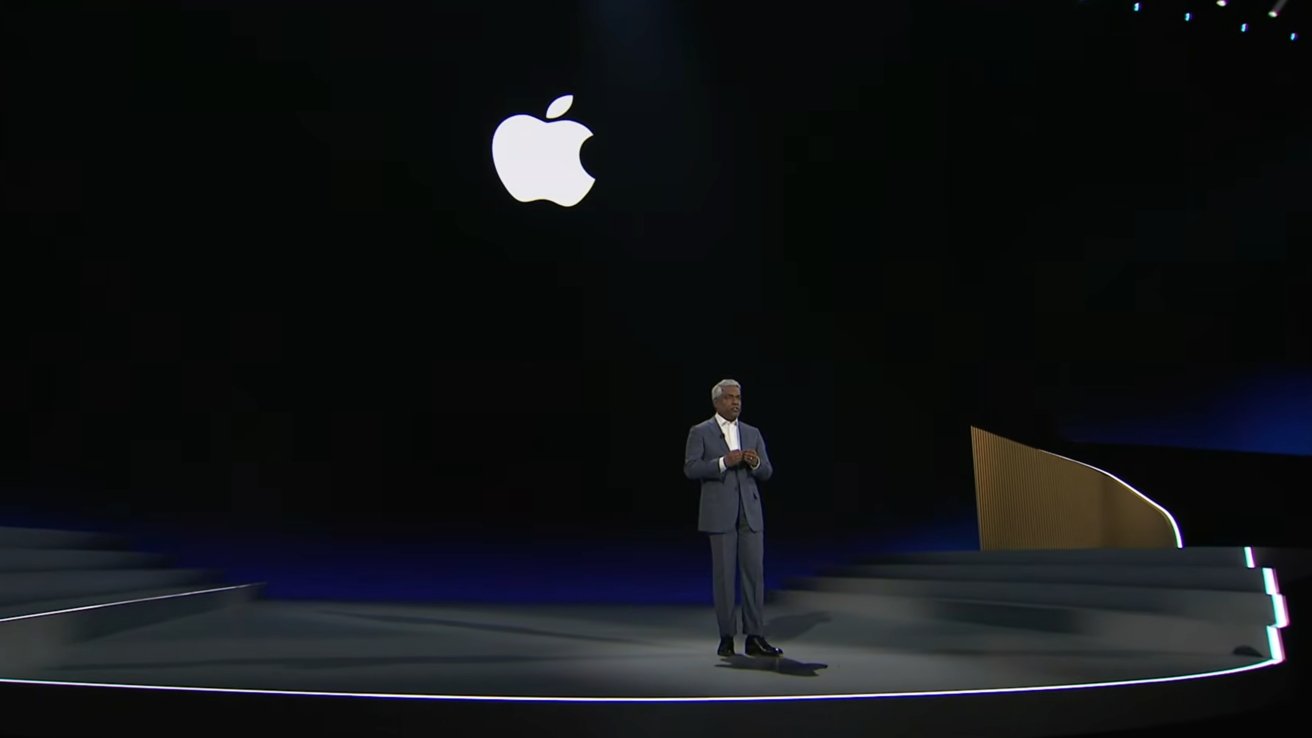
Apple is launching its latest macOS update—macOS 27, branded Golden Gate—on Monday, September 14, for all Macs that meet its new hardware requirements. Alongside Golden Gate, iOS 27, iPadOS 27, watchOS 27, tvOS 27, and visionOS 27 will arrive on the same day. The version has been in developer beta since June and opened up to public beta testers in July.
What’s New in Golden Gate, and Which Macs Make the Cut
Golden Gate introduces several major updates, including built-in Siri AI features, refined design tweaks, and performance optimizations. But the most significant change is its hardware support: only Macs with Apple silicon are eligible. Models powered by Intel processors will no longer receive full software updates beyond macOS Tahoe (version 26), the final macOS release for Intel-based machines.
Exact Apple silicon Macs that will run Golden Gate include the 2026 MacBook Neo; MacBook Air and MacBook Pro from 2020 onward; iMacs from 2021; Mac minis starting in 2020; Mac Studio from 2022; and Mac Pro models beginning in 2023. Intel Macs left behind include several earlier MacBook Pro and iMac models, and the 2019 Mac Pro. However, those machines won’t be abandoned entirely—Apple will continue providing security updates for them for three more years.
One final nod to legacy software: Golden Gate will still support Rosetta, Apple’s translation layer for running Intel-based applications, making this update the last to include full compatibility with older apps.
The End of an Era for Intel Macs
macOS Tahoe (version 26) stands as the final macOS version compatible with Intel Macs, closing out what has been over a decade of mixed architecture support as Apple shifts fully to its own chips. The cut-off affects specific models, among them the 13-inch MacBook Pro with four Thunderbolt 3 ports (2020), the 16-inch MacBook Pro (2019), the 27-inch iMac (2020), and the 2019 Mac Pro.
For impacted users, security updates will continue through around fall 2029, but no further system enhancements or new feature releases will be coming for their devices under Apple’s standard support structure.
Apple also confirms that Golden Gate is the last major update to include the full Rosetta translation layer, which has allowed many Intel apps to run seamlessly on Apple silicon. Future macOS versions will likely drop Rosetta entirely.
Golden Gate’s release arrives at a pivotal moment. Apple’s own chip transition, started years ago, now nears its full realization as support for Intel machines winds down. For users with supported Macs, the update promises fresh capabilities. But for those still on older machines, the time to plan efforts—whether upgrading hardware or ensuring mission-critical apps run—is now.
What to watch in the coming months: how applications that relied on Rosetta will fare in Golden Gate and beyond, how the user experience evolves around the new Siri AI features, and whether Apple continues tightening hardware requirements (especially around chip generation) in subsequent macOS launches.