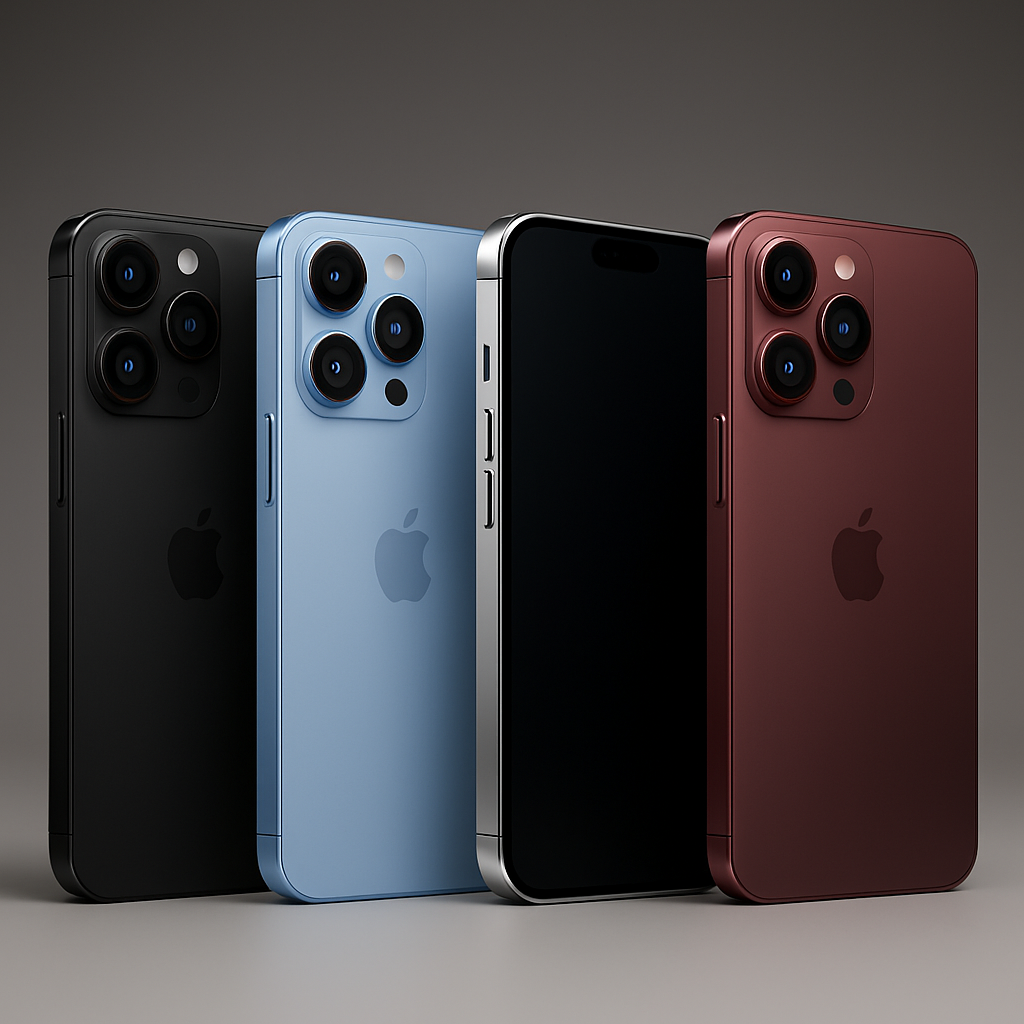
New leaks from Apple insider Mark Gurman sketch out the color lineup for the upcoming iPhone 18 Pro and Pro Max, due to be unveiled at Apple’s “Surprise and Shine” event. According to him, the high-end models will return to offering four finishes: Black, Light Blue, Silver, and Burgundy. That would be a shift from last year’s iPhone 17 Pro, which came in only three colors and notably omitted Black.
What to expect from the new color set
The rumored palette represents a return to more classic tones alongside more expressive choices. Black is making a comeback—a move likely to satisfy buyers who felt limited by last year’s absence of darker shades. Light Blue and Burgundy appear to be the more bold, fashion-forward picks in the bunch, while Silver offers a safe, refined look.
This lineup diverges from earlier rumors. Before Gurman’s post, some sources predicted Silver wouldn’t be included, others thought both Silver and Black might show up, and several reports agreed on Burgundy and Light Blue as new additions. Gurman’s version confirms both Silver and Black alongside the newer color options.
Why it matters, and what’s next
The shift back to four colors on the iPhone 18 Pro tells us Apple is balancing variety with user preference, giving consumers more flexibility. Color can influence purchase decisions heavily, especially in premium phones. Apple’s strategy last year—fewer colors, no Black—may have prompted feedback that led to this change.
Ahead of the full reveal, these color leaks also hint at how Apple is segmenting its range: while the Pro models focus more on premium finishes and materials, the less premium “Duo” lineup is expected to lean simpler. Gurman suggests the iPhone Duo series will come in just Dark Blue and White.
Even though the announcement is imminent, this color reveal will be closely watched. Supply constraints, finish differences (matte vs gloss vs metallic), and any impact on pricing or availability could all play a role. Color is more than cosmetic—it signals design philosophy.
What to watch for: how the finishes compare in person, which color becomes most popular, and whether these choices affect production costs. Apple likely wants to please both style-focused users and those who prefer classic tones.