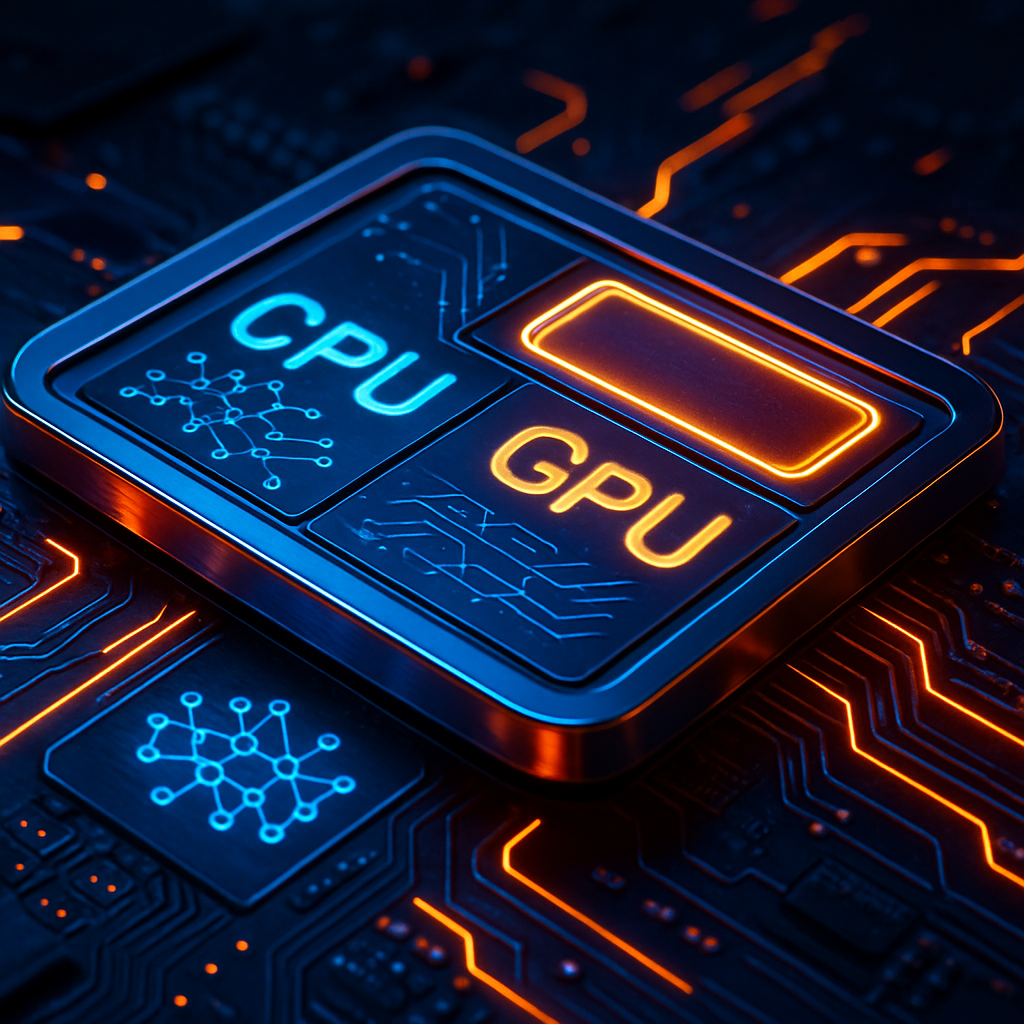
Arm has unveiled fresh CPU cores and GPU designs aimed at bringing desktop-level performance and built-in AI power to future Android chips. The newly announced CPU cores—named C2-Ultra and C2-Pro—deliver up to 15% higher single-thread performance, 12% faster app launching, improved web browsing, and enhanced multitasking. AI tasks will run directly on the CPU, rather than relying on separate Neural Processing Units (NPUs) or Tensor Processing Units (TPUs). Included also is up to a 1.7× lift on modern AI models and stronger cluster-level multithreaded performance for real-world multitasking workloads. (Actual gains depend on implementation.)
What’s new in the GPU
The GPU side introduces the Mali G2-Ultra NX, which Arm describes as offering “desktop-class” graphics. A key innovation is its “AI-native graphics,” which embeds neural acceleration into the graphics pipeline. Developers will be able to integrate features like Unreal Engine 5’s MegaLights, upscaling for low-resolution content, and frame interpolation for smoother gameplay—all within the constraints of mobile power and heat dissipation. According to Arm, the GPU delivers about a 14% boost over prior designs.
Where we’ll see this first & what it implies
The first device to be confirmed with this new hardware is Xiaomi’s 18 Fold, powered by Arm’s upcoming XRing O3 chip. But while phones will be the early users of C2 cores and the G2 Ultra NX GPU, developers may need time to fully optimize games and apps to take advantage of the new architecture—especially for features like neural graphics, frame interpolation, and Unreal Engine enhancements.
These developments mark a shift in mobile chip design. CPUs handling local AI means less reliance on off-chip accelerators, potentially lowering latency and improving energy efficiency. GPUs with integrated neural capabilities allow creative graphics tricks formerly only possible on PCs or consoles.
It’s not just about faster phones or flashier games. For users, this may mean smoother gameplay, more lifelike visuals, and smarter AI features running without internet connection. For developers, the GPU’s support for UE5 MegaLights and tools like frame interpolation open new creative possibilities. But the full potential hinges on how quickly OEMs adopt the new cores and GPUs—and how well game engines and apps are updated to tap into these capabilities.
In all, Arm’s announcements set the stage for a new generation of Android devices that blur the line between mobile and desktop performance. Watch closely for the upcoming phones and chips using these cores. Real-world benchmarks will tell us if the promised performance and AI improvements are more than just marketing claims. This could reshape expectations for mobile gaming, augmented reality, and on-device AI across the board.