Apple has officially acquired Sonera, a California startup developing “breakthrough sensing technology,” according to a notification recently published by the European Commission. The exact terms of the acquisition—how much Apple paid and on what schedule—were not disclosed.
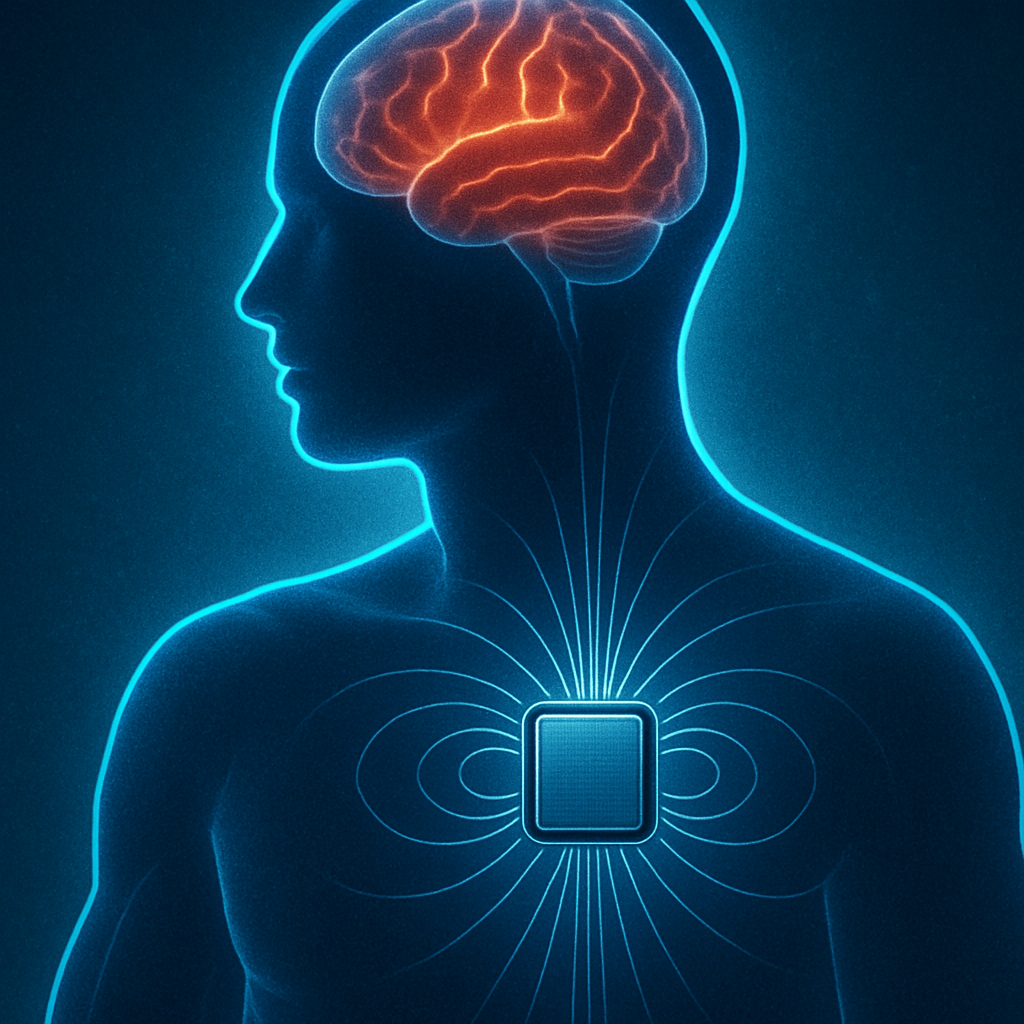
Sonera’s core work centers on a biomagnetic chip designed to detect magnetic fields produced by the brain and body without touching the skin. This allows the firm to gather neural data non-invasively, creating possibilities far beyond what traditional electrical sensors can deliver. Sonera has highlighted potential applications ranging from continuous neuromuscular monitoring and advanced prosthetic control to biomarkers for disease and sports-performance tracking.
What Apple Gains
By bringing Sonera in-house, Apple positions itself to enhance the health, fitness, and accessibility features across its wearables ecosystem. The non-contact magnetic sensors Sonera is building could eventually power new Apple Watch capabilities, allow for better muscle-activity sensing, and broaden how Apple devices understand the human body. Given Apple’s ongoing integration of medical and physiological tracking into its hardware and software, Sonera’s technology could become a key component in upcoming health-sensor toolkits.
Why This Acquisition Matters Now
Non-invasive neural sensing is a frontier in wearable tech. Most current approaches use electrodes or optical sensors that require skin contact. Sonera’s biomagnetic chip promises a more versatile approach that could lead to a new class of consumer devices. For Apple, which has previously incorporated features like ECG and blood-oxygen sensors, this opens a door to richer, deeper physiological understanding without sacrificing comfort or usability.
This isn’t Apple’s first health-tech acquisition, but the timing and focus signal a push toward sensors that go beyond movement and heart rate. Sonera’s work might enable Apple to track muscle or nerve activity directly, pave the way for diagnosing or detecting disease biomarkers, and deliver more responsive assistive-technology tools.
Of course, challenges remain. Magnetic sensing involves high sensitivity, shielding against interference, and translating raw signals into reliable metrics. Apple must integrate these components while preserving user privacy, safety, and battery life, areas where it has experience but also risks.
What this acquisition underlines is Apple’s commitment to inventing the next generation of health sensors. With Sonera’s non-contact magnetic technology, the company is placing a bet on a future where wearables understand more of us with less friction. Watch for patents, beta features in watchOS or watchOS updates, and new health-centric product announcements as early signs of how deeply this acquisition’s impact will run.