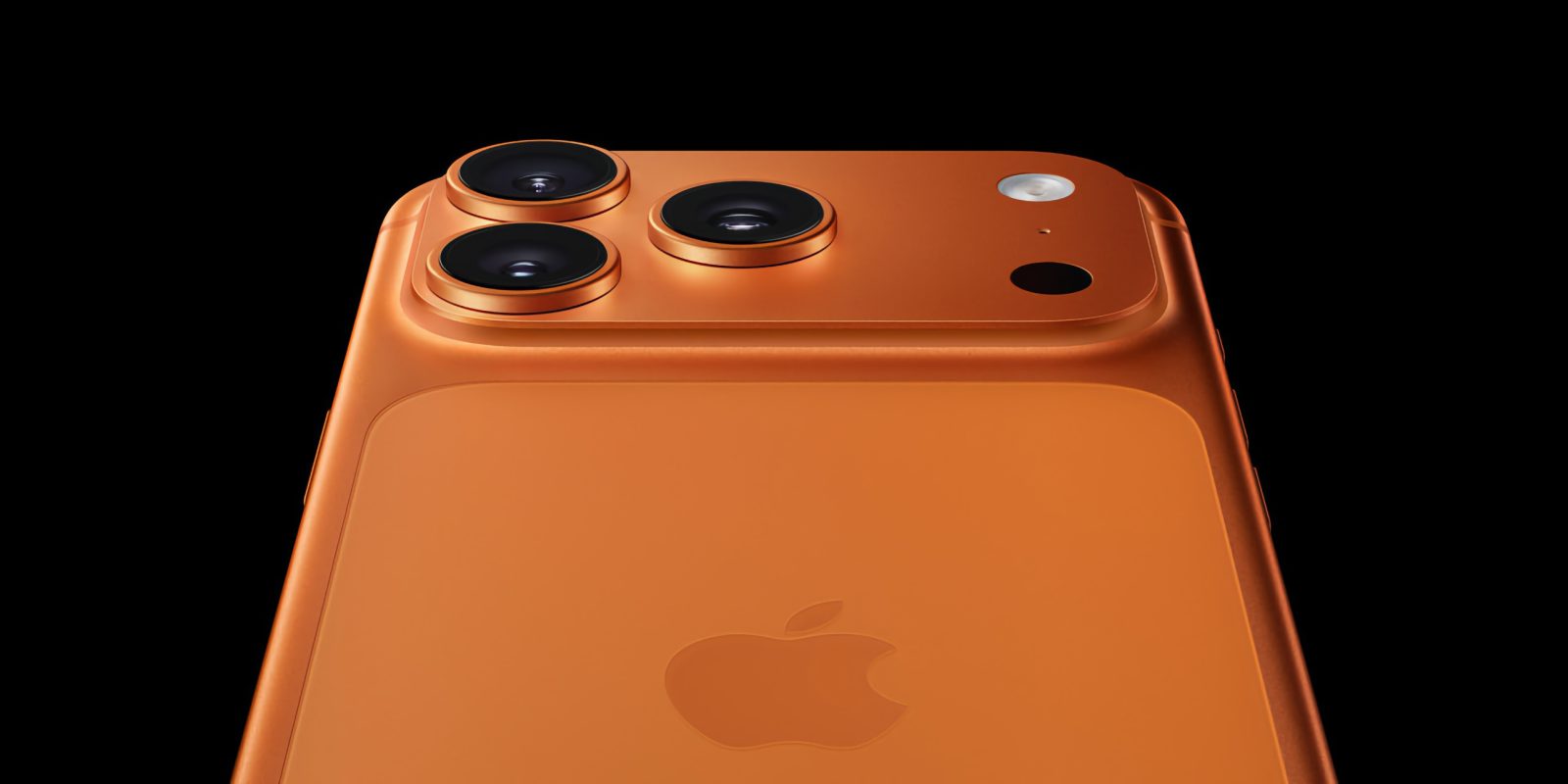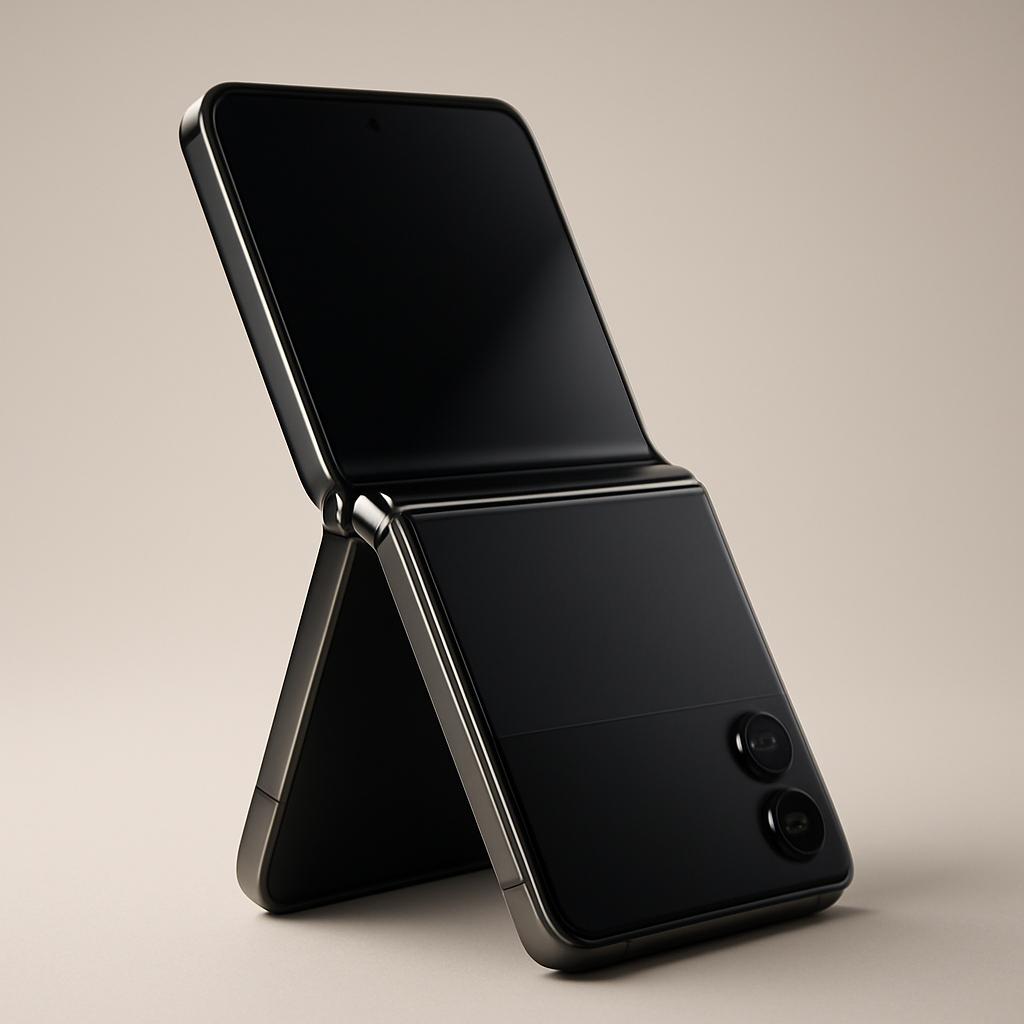
Apple’s much-anticipated foldable iPhone—reportedly dubbed the iPhone Ultra—is closer than ever to launch, and we now have new insights into how Tim Cook drove its direction and what it might cost when it finally hits shelves. A rare inside look reveals that the project has been under development for nearly a decade, with the current design shaped significantly by the CEO himself.
From iPad-style Foldables to Folding iPhones
Work on Apple’s foldable device quietly began around 2016. According to recent reports, a key turning point came in 2020 when Tim Cook returned from a trip to China visibly energized by foldable phones. At that moment, he pushed Apple’s hardware teams to move faster and shifted the company’s strategy: instead of releasing a foldable iPad first, Apple zeroed in on a foldable iPhone. This marked one of Cook’s rare hands-on moments with product inception—typically, he leaves new-concept development to other executives. His personal belief that Apple needed a footprint in the growing foldable market, especially given what he saw overseas, is said to have spurred the change in priorities.
Sticker Shock? Projections for Price and Variants
The foldable iPhone is expected to arrive with a jaw-dropping price. Initially, Apple set its sights on launching an entry-level version around $1,999. But as the costs of materials—particularly memory—and other component expenses have escalated lately, the goal has shifted upward. The latest internal pricing deliberations reportedly place the base model closer to $2,199. For those chasing high specs—large storage, premium finishes—some configurations could push toward $3,000.
To put the pricing in perspective: the regular iPhone lineup starts around $799, and the iPhone 17 Pro sits at about $1,099. If these foldable prices hold, Apple’s new iPhone Ultra would represent one of the most expensive consumer phones it has ever sold, reflecting both its ambition and the costs of pushing toward foldable form factors.
Apple is expected to pull the curtain back on the official reveal imminently. On the eve of its special event, the company’s internal sources report that the foldable model is finally set to be unveiled publicly, with demonstrations and details to follow.
Why This Matters: The foldable smartphone category has been dominated in recent years by brands like Samsung and Huawei. A well-executed foldable iPhone could legitimize the format for the broader market. But the restrictive pricing could limit its reach initially, making it more of a prestige or luxury device than a mass-market one.
Analytical Take: Cook’s decision to personally champion the foldable phone signals a strategic pivot within Apple. Rather than staying purely incremental, the company seems ready to push into radically new device formats. But with such high prices, success won’t just depend on novelty—it’ll depend on whether consumers believe the value matches the premium. The coming months will reveal if Apple can persuade buyers that the foldable iPhone is worth more than just bragging rights.