Apple’s upcoming hardware refresh for the Apple Watch Series 12 appears to promise only incremental upgrades, but newly uncovered code in watchOS 27 suggests the software could deliver the biggest surprises. While physical design changes seem limited, internal references point toward new health tools, workout enhancements, and possibly more substantial storage. Here’s a deep dive into what’s coming and why the software might outshine the hardware this cycle.
What we expect—and what likely won’t change
The Apple Watch Series 12 is anticipated to have minimal external changes. A ceramic model is in discussion, but otherwise a major redesign doesn’t seem imminent. Hardware upgrades seem restrained mostly to behind-the-scenes improvements, leaving much of the spotlight for watchOS 27. In other words: don’t expect radical form factor shifts this year.
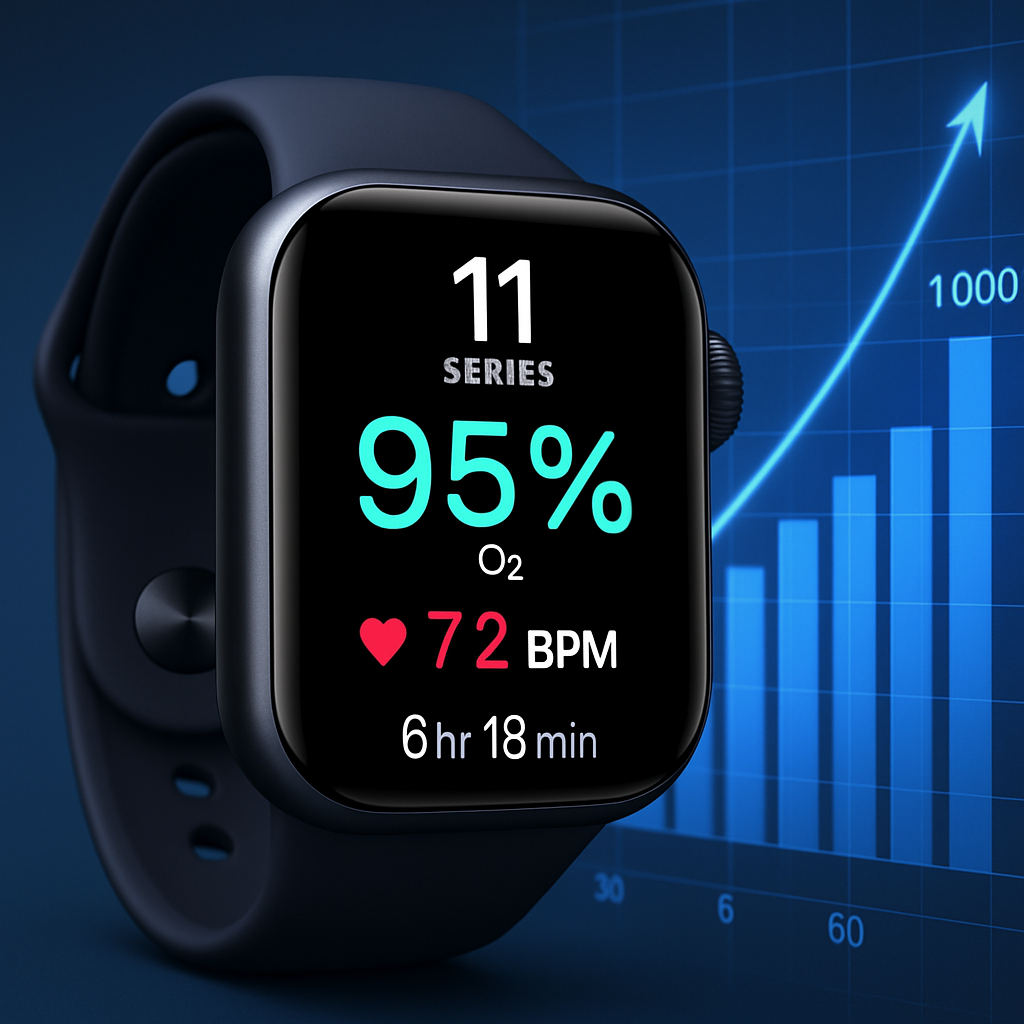
Still, there are hints that Apple is preparing at least one solid bump: code suggests newer models may offer double the storage space—128GB compared to the Series 11’s 64GB. Whether all variants will include this increase isn’t yet known. It’s also possible preferred features will roll out gradually, depending on hardware compatibility.
Hidden software upgrades in watchOS 27
watchOS 27’s code is littered with references to several new features. Among them is a Readiness app—known internally as “Cobalt”—which appears to be focused on user health and designed to work alongside the existing Vitals app. Specifics are vague; it hasn’t appeared in public betas, but code indicates it may tie into the Workout suite.
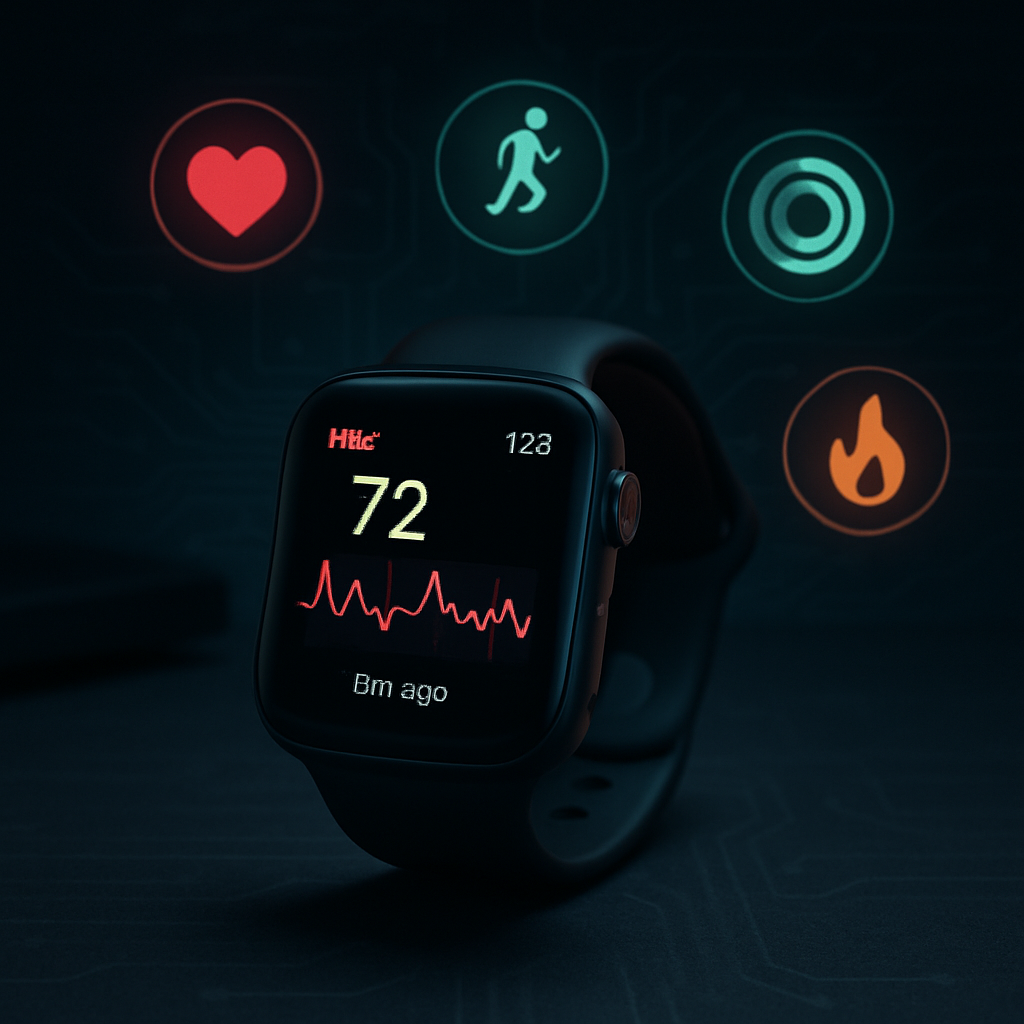
The Workout app itself is getting more robust, especially for strength training. Users should be able to log more detailed data around workouts—tracking multiple sets, repetitions, equipment used, and now duration per set. Those features aim to give strength training a more structured and data-rich experience on the watch.
One of the most intriguing additions comes from heart-rate monitoring tech. A shift from the current optical heart rate sensor codebase—known internally as “Sunstone3p75plus”—to a newer version called “Sunstone4p0” suggests more sensitive detection of weak pulse signals. That implies hardware modifications may be needed to fully benefit, meaning not all devices—including possibly the Series 12—will unlock its full potential immediately.
Why this matters and what to watch
These developments underline a broader theme: software-defined value. With hardware advances plateauing, features like readiness tracking, richer fitness metrics, and enhanced sensor algorithms might be where Apple leans to keep its Watch line compelling. For developers and fitness buffs, those additions could finally bring the Apple Watch closer to rival wearables in depth and precision.
Still, there are questions. Will the new sensor code be hardware-dependent? Can older models gain any of these features via updates? And how usable will the Readiness app be, given that it hasn’t yet shown up in public releases? The answers will determine if watchOS 27 feels like a software update or a meaningful evolution.
All told, Series 12 may look much like its predecessor, but watchOS 27 appears ready to push boundaries in unexpected ways. The real magic this fall could come from what your Watch can do, not just what it looks like.
This matters because as hardware innovation slows, software becomes the true differentiator in smart wearables. WatchOS 27 shows that even when physical updates are modest, Apple may deliver significant improvement through user experience—especially in health and fitness. It’s a reminder to focus less on what the device is, and more on what it can become—with code and sensors doing the heavy lifting.