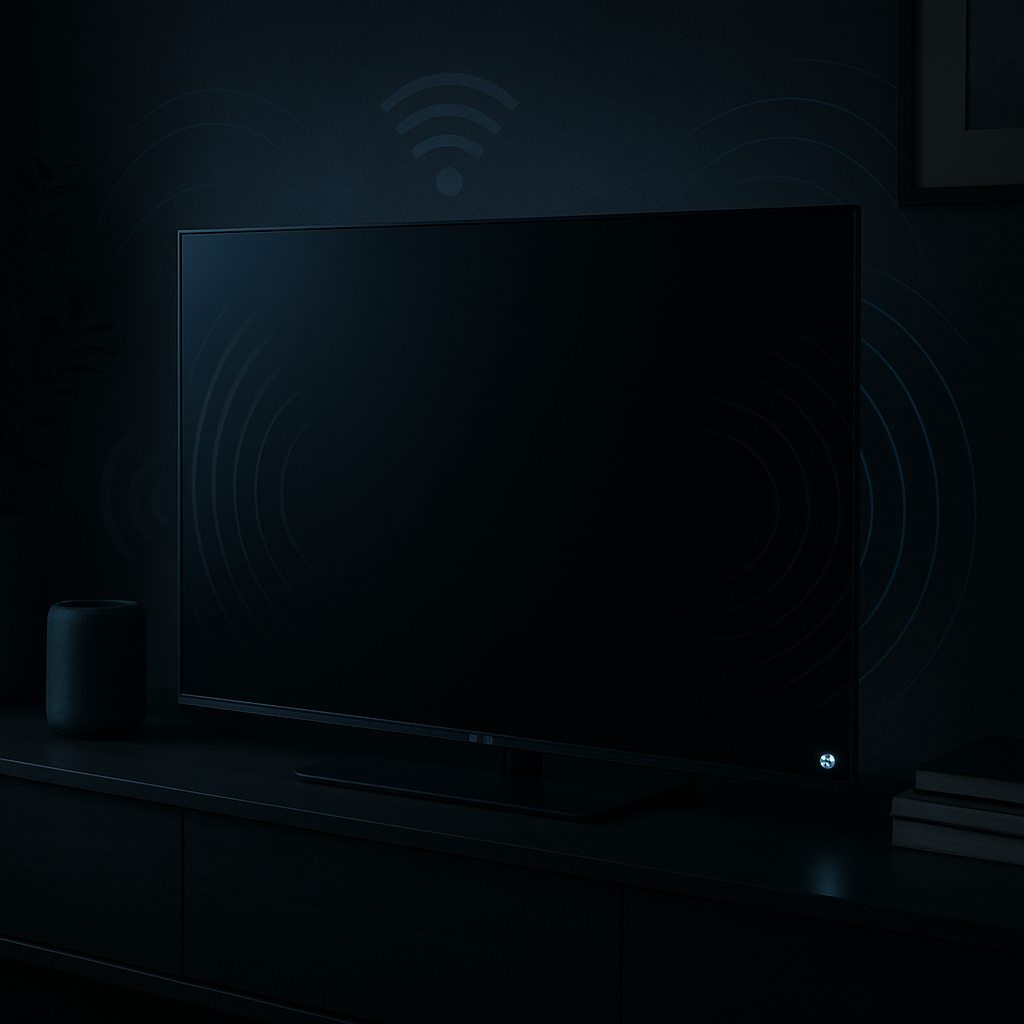
LG’s OLED smart TVs are facing serious privacy scrutiny after independent testing revealed that several models may continue to scan home networks and capture audio even when they appear to be in standby mode. These activities allegedly happen despite the TV being disconnected physically from the internet or Ethernet jacks.
What Researchers Discovered
An investigation led by Gamers Nexus, working with Level1Techs and other independent security researchers, focused on recent LG OLED models including the premium G5 series. Using tools like Wireshark for packet inspection, the tests uncovered continuous network scanning targeting devices such as smartphones and smartwatches—even ones not used in testing. In addition, the TVs reportedly collected Wi-Fi information from neighboring networks, including SSIDs, signal strengths and channel data—essentially mapping the wireless topology of surrounding homes. All of this was documented even when the TVs were supposedly “off.”
Even more concerning: microphone activity was observed while the displays were in a standby state. The sets appear to store audio locally, including when network connections are disabled, then upload transcriptions once a connection is re-established. LG’s advertising platform, LG Ad Solutions, is reportedly the destination for this data stream..
How This Clashes With LG’s Public Claims
LG has long maintained that its televisions do not collect, record, or store ambient conversations from users. However, the new findings suggest otherwise. The investigation showed that speech prompts are being transcribed into clear text logs on the device itself—not raw, nebulous recordings—and later transmitted off-device. That distinction weakens LG’s previous statements covering “ambient conversations,” at least in practical effect.
Why Advertisers and Non-Home Environments May Be Impacted
Another facet of the discovery relates to automatic content recognition (ACR). These TVs allegedly continue using ACR even if they’re simply acting as display monitors over HDMI. That raises red flags beyond consumer living rooms, potentially involving hospitals, hotel rooms, or business conference rooms where sensitive discussions may occur.
About 33 million LG sets in the U.S. have reportedly opted in to the LG Ad Solutions program, including ACR capabilities. The platform ties data to advertising and national audience measurement infrastructure—making the scope of collection much larger than a few isolated user groups.
User Risks and Mitigation Steps
The core privacy issue here includes unrequested mapping of internal networks, collection of ambient audio even offline, and data being cached and uploaded via advertising systems once a connection returns—potentially without meaningful consent or transparency.
For users who wish to protect themselves, researched advice includes disconnecting the TV from Wi-Fi and using external streaming devices instead of the TV’s apps; disabling the internal microphone where possible; reviewing privacy settings or dashboards for opt-out options; and monitoring any firmware or policy updates from LG that address these behaviors.
As smart TVs become more integrated into home infrastructure, the line between convenience and intrusion blurs.
This could set a precedent not only for LG’s future design decisions, but for how consumers view the privacy boundaries of connected media devices. The real test will be whether LG addresses these findings transparently, updates firmware and clarifies its privacy policy—or whether users need to demand stronger regulation and oversight in smart home security.