Google is entering a crowded laptop arena with its upcoming Googlebook platform, aiming to overhaul ChromeOS with a fully Android-based desktop experience. But as Googlebook prepares for launch, the initial impressions raise serious questions about its positioning and appeal—especially when stacked against competitors like Apple’s MacBook Neo and a wave of budget-friendly Windows laptops.
What We Know So Far
Googlebook was first revealed earlier this year as the successor to ChromeOS. It promises Android-rooted functionality on desktop devices. But details remain scarce. The few features that have surfaced include “Magic Pointer,” “Desktop Camera,” and an AI-powered tool called “Look Up” that works across Android phones and is built to pull up definitions, flight info, and other context-sensitive data. These glimpses are intriguing—but hardly enough to define a product’s purpose. Manufacturers like Asus and Lenovo are reportedly building Googlebook laptops, and Acer has teased its entry to the mix. Even so, Google’s premium hardware focus—boosted by rising component costs and increasing RAM prices—has led to concerns about how such devices will be priced.
The Competitive Landscape
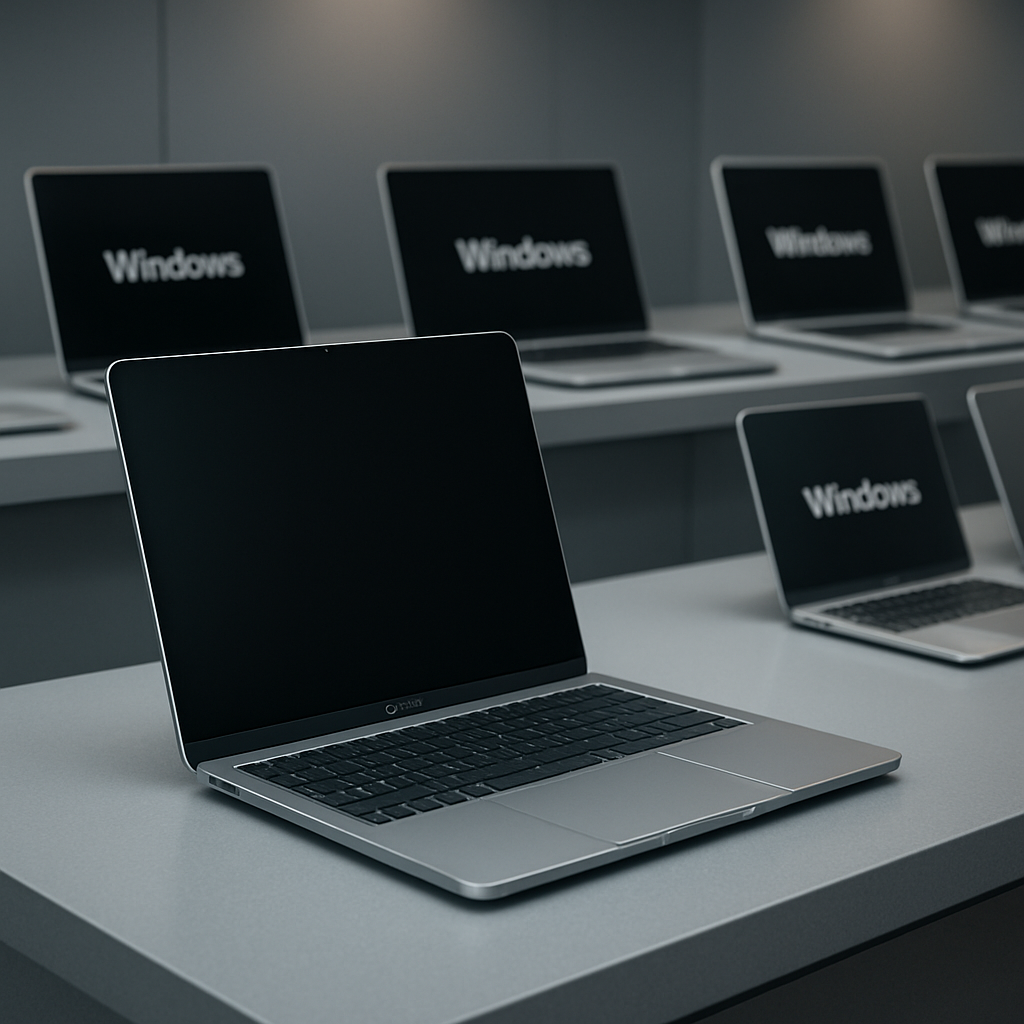
The timing of Googlebook couldn’t be worse. At IFA 2026, companies are pushing out value-driven laptops with designers sharpening in on Apple’s MacBook Neo with far cheaper alternatives. Lenovo’s new IdeaPad Vibe and Dell’s 14S, for example, are tailored for users who love the MacBook Neo aesthetic but not its price tag. These machines are striking directly at Apple’s edge-led form factor, delivering sleek looks—possibly at the cost of what Googlebook plans to offer on the high end. Meanwhile, a global phenomenon dubbed “RAMageddon”—component scarcity and inflation—has pushed up the cost of premium specs even further, threatening margin pressures.
ChromeOS once stood out by delivering stable software on affordable hardware. Platforms that followed added AI features and heftier internals over time. But Googlebook seems to be charting a different course—one less about cost-efficiency and more about premium positioning. That raises a big question: why would someone choose Googlebook over a budget Windows device or a MacBook Neo if performance remains muddled and price climbs?
Why Googlebook Faces an Uphill Battle
Part of the skepticism stems from the lack of clarity around who the ideal user is. Without strong differentiators—features, performance, or pricing—Googlebook risks becoming a niche product for tech enthusiasts rather than mainstream buyers. Expectations were high, especially considering ChromeOS’s early reputation for simplicity and affordability. But the promise of Googlebook feels nebulous: powerful premium components, elevated pricing, but hardly any clear why.
The presence of MacBook Neo-style competitors doesn’t help. The market is already brimming with products imitating Apple’s minimalist aluminum aesthetics—used here as a benchmark for design desirability. Googlebook seems to be copying that template in the premium space rather than creating something distinctly valuable. Features like AI tooling and camera improvements are welcome, but without solid hardware claims and pricing transparency, the product may not land with impact.
Traditional PC makers are now calibrated to undercut Apple’s price envelope while offering near-premium specs. Against that backdrop, Googlebook’s premium tilt may not be enough to turn heads. Even for users who value Google’s software ecosystem, paying more for similar-looking hardware might be a tough sell.
What to Watch
Key indicators will lie in Google’s launch strategy: the hardware chips it picks, the pricing tiers it sets, and how deeply it integrates AI and Android features in ways Windows or macOS can’t match. Devices like Magic Pointer and Look Up could shift perception if they deliver seamless experiences across devices. Also, the response from consumers drawn by MacBook Neo rivals will be perceptive—if those cheaper MacBook lookalikes offer 90% of the design and experience for 50–60% of the price, Googlebook will need to deliver something more.
Ultimately, Googlebook’s success depends on whether it can offer meaningful distinctions—not just premium hardware, but smarter software and a market strategy aligned to compete against both Apple and the affordable Windows ecosystem.