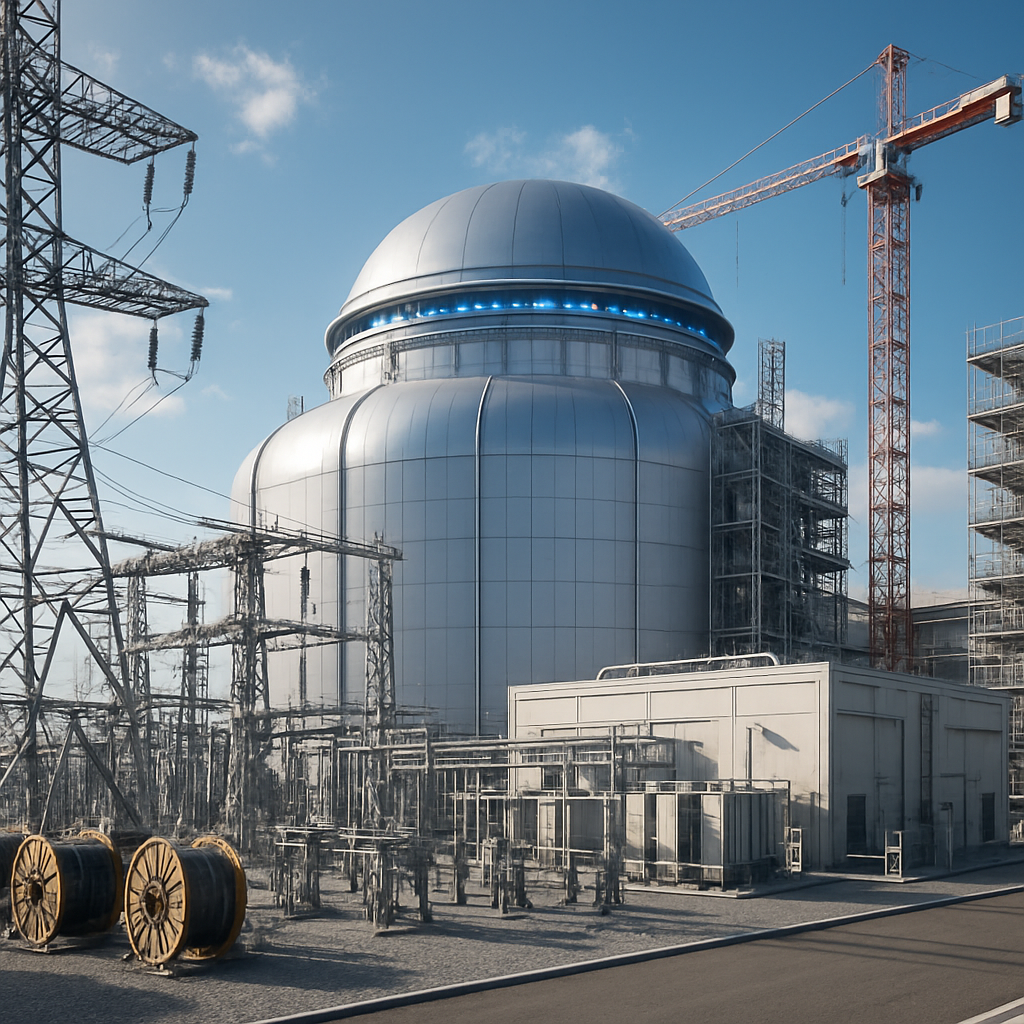
A fusion energy startup called Realta Fusion has just teamed up with Madison Gas & Electric to build one of the first grid-connected fusion power plants in the U.S. The pact—part construction, part investment—marks the latest signal that utilities are taking fusion seriously as a future power source. It’s a response to rising demand, concerns over grid reliability, and a quest for dependable, zero-carbon energy.
Under the agreement, Realta and the utility will explore building a 200-megawatt plant in Wisconsin sometime in the mid-2030s, enough electricity to power a small city. Besides funding, Realta will gain access to valuable land, grid interconnection rights, and the engineering and technical backing it needs. The startup is also converting an old Oscar Mayer factory into its R&D facility. While Realta hasn’t disclosed financial specifics, the deal includes an equity investment from Madison Gas & Electric.
Why Utilities Are Leaning In Again
Fusion startups have long hovered on the edge of feasibility. But recent years have seen meaningful progress in science and engineering, which, combined with soaring demand—particularly from AI data centers—hailed a shift in utility attitudes. These power providers, which have grown accustomed to weather-dependent renewable generation and battery storage, are seeking baseload alternatives that can offer reliable power around the clock.
Fusion plants are being designed to operate continuously, offering power that renewables alone can’t guarantee. For utilities, securing early partnerships with fusion developers helps manage risk and gain some control over what could be a transformative technology for decades to come.
Other Fusion Startups Making Moves
Realta isn’t alone. Commonwealth Fusion Systems (CFS) is well along in its work with Dominion Energy on a 400-megawatt power plant, called Arc, near Richmond, Virginia. Google and the Italian energy firm Eni have committed to buying power from Arc, expected to come online in the early 2030s. Elsewhere, Helion is planning its Polaris plant—a 50-megawatt facility in Washington, set to begin operations in 2028—to supply Microsoft under a separate contract.
Type One Energy is also in the mix: it aims to build a 350-megawatt plant on a former coal plant site in Tennessee, with hopes of feeding electricity into the grid by the mid-2030s. In Europe, Proxima Fusion has plans to rehabilitate a decommissioned nuclear power site in Germany, leveraging existing infrastructure, and expects its first plant, Stellaris, to be operational in the late 2030s.
The core advantage of utility-startup collaborations is clear: for fusion companies, these partnerships offer access to permitting, technical expertise, land, and grid connectivity that are difficult to secure. With power producers locked into lengthy timelines and risk-averse practices, early investment in fusion is seen as a hedge against future shortages—utilities prefer taking measured gambles now over major failures later.
For utilities, the payoffs are long-term but potentially massive. Fusion offers a stable, decarbonizing complement to solar, wind, and storage. It could reshape energy grids built to fit intermittent sources. While a commercial plant is still years away, getting in early on enforcement, regulation, and design is seen as crucial.
What’s next is refining the engineering, scalability, safety, and regulatory frameworks that will let fusion plants earn their place in the energy mix. Until then, these utility partnerships will stand as test cases: early signals of whether fusion can deliver on its decades-old promise.
Why this matters: Fusion has long been touted as the ultimate clean energy frontier, but its technical and economic feasibility has been hazy. These new utility deals provide validation, funding, and a structured path to commercialization. Watch for how these plants get sited, permitted, and connected to the grid—these milestones will determine whether fusion remains just a vision or turns into a foundation of zero-carbon power.