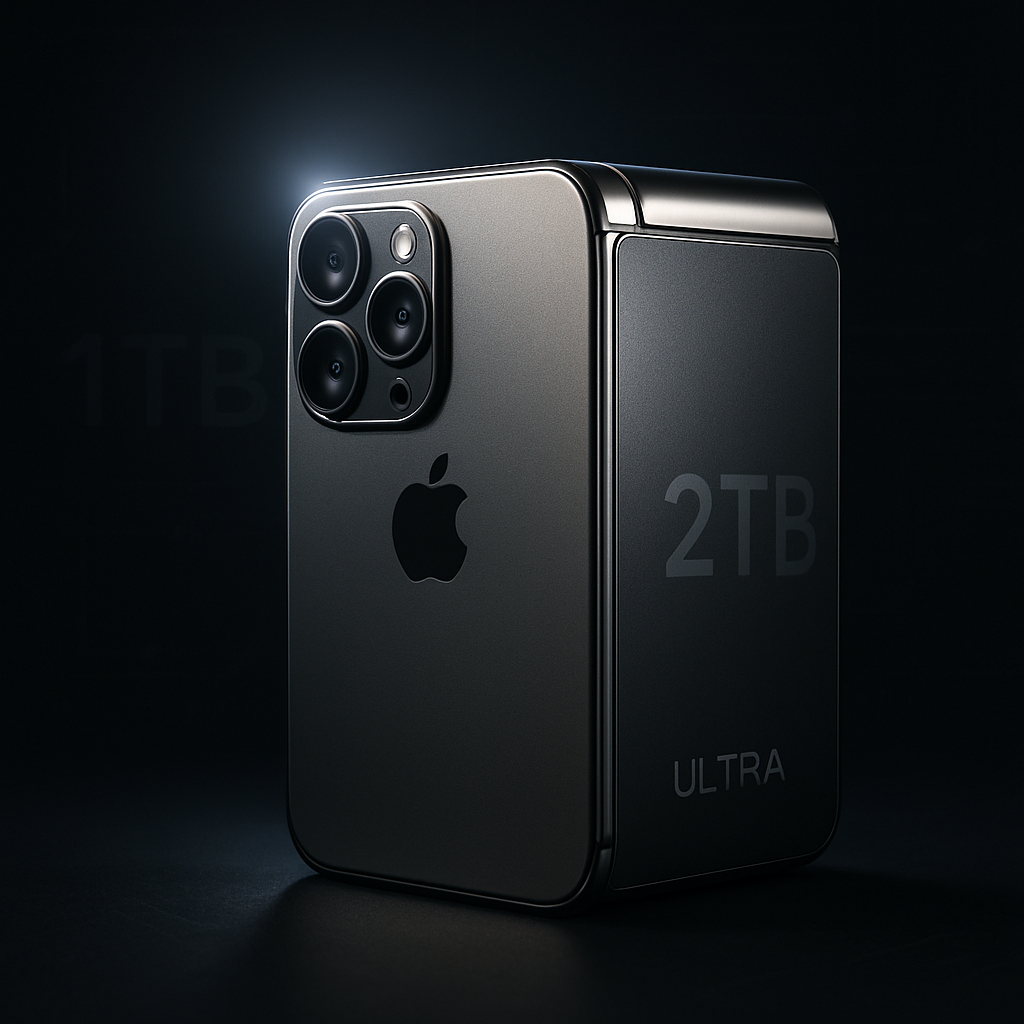
Apple’s upcoming iPhone Ultra is shaping up to be the most expensive model in its history, with estimates placing its base price well north of $2,000. Latest components price data suggests that the fully-loaded Ultra could cross the $3,000 barrier.
What’s driving the steep cost
Supply chain analysts have spotted sharp increases in specific parts prices—most notably, the cost of a 256GB storage module has reportedly surged about 400% compared to a year ago. On aggregate, all models in the next iPhone range may see price hikes of 10% to 20%, driven by parts shortages and inflation across multiple components.
Price projections and storage options
The Ultra model is projected to start at between $2,099 and $2,299 for the base 256GB configuration. Additional storage tiers—512GB, 1TB, and 2TB—are expected to push the price even higher. With each storage option increasing component and manufacturing costs, analysts believe that some versions could exceed $3,000.
How this compares to today’s lineup
To put this in perspective, the current highest-end iPhone model with full options is priced just under $2,000. Apple has never officially released a smartphone with a sticker north of that—not until this Ultra level appears likely to change that trend.
Market implications
Even with this anticipated premium, the Ultra is expected to represent only a small slice of the global smartphone market in 2026. Analysts estimate foldable or Ultra-class phones may collectively account for no more than 2%. Some market projections suggest Apple could sell around 14 million units of the Ultra through fiscal year 2027.
What this means: If pricing trends hold, the iPhone Ultra won’t just be a flagship in name—it could redefine what a flagship costs. Apple may be banking on consumers who demand top-tier storage, build quality, and features to accept pricing that edges beyond traditional limits. However, with price elasticity a real concern, Apple will need to balance profit margins against potential pushback from buyers unwilling to pay premium prices.