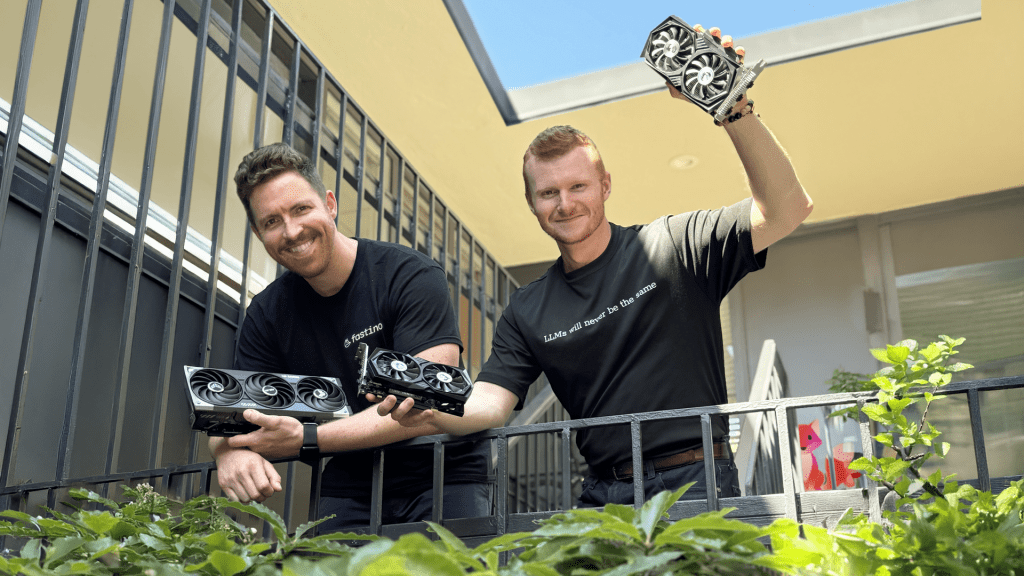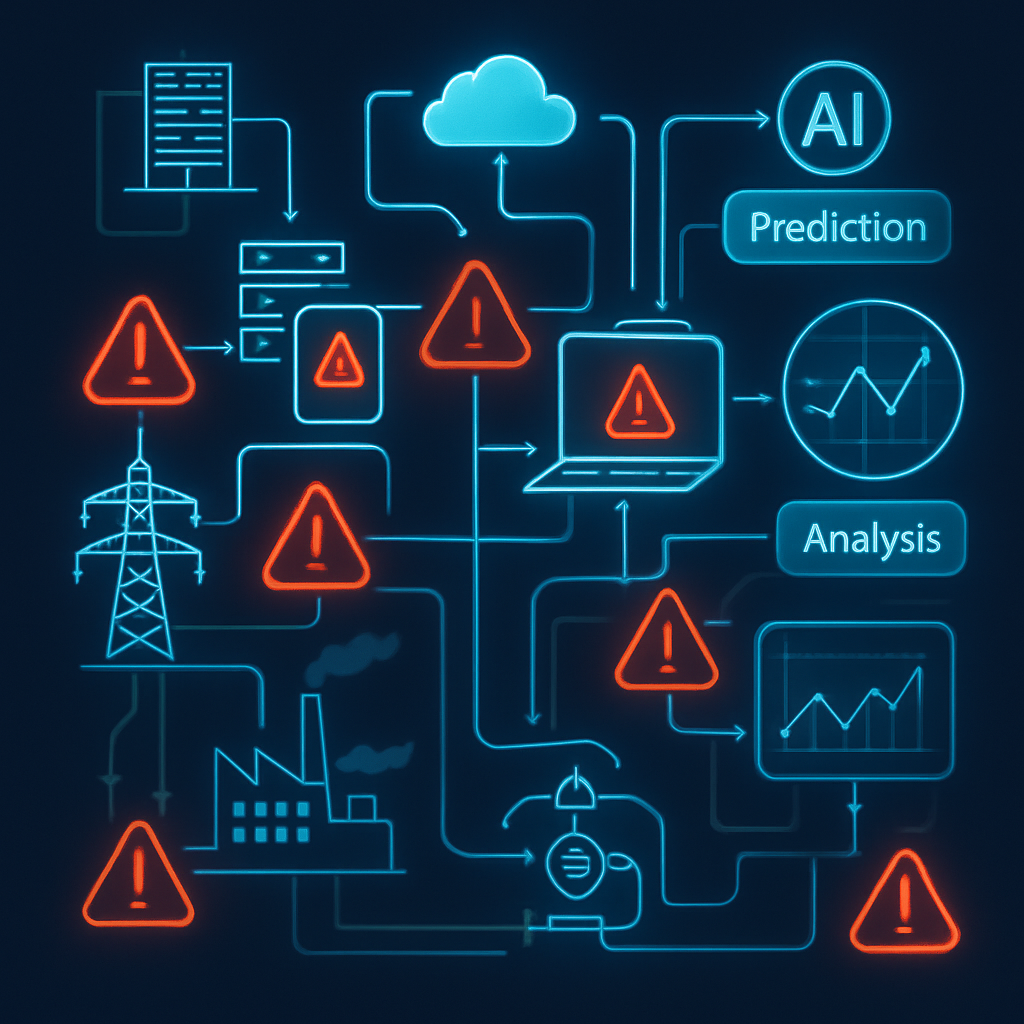
Empirik has officially spun out with a $21 million seed round, emerging from Sequoia’s incubator to tackle a long-standing issue in infrastructure management: predicting system failures before they occur. The startup is the brainchild of Avon Puri and Sudheer Dhurjati, two Sequoia infrastructure veterans who saw growing promise in large language models and AI agents for managing tech stack instability. Empirik monitors system changes and anticipates cascading risks across complex infrastructure configurations.
The idea first took shape in 2023, when Empirik was incubated inside Sequoia Capital, and earlier this year Sequoia appointed Kartik Chandrayana—formerly with Quantum Metric and Salesforce observability—as Empirik’s CEO. Its seed funding came from Sequoia, Canapi, and Alumni Ventures.
What Empirik Does Differently
Every large tech stack evolves constantly—new services, updates, user behavior, hardware changes. What Empirik aims to do is map those shifts, assess the risk profile of system modifications, and warn teams about potential trouble before alarms go off. Its role is akin to an autonomous “traffic cop” for infrastructure changes: it can let through low-risk updates, block or flag those with higher risk, and set up guardrails around larger infrastructural modifications.
This differs from traditional observability tools, which often focus on alerting after a system failure or underperformance is detected. Empirik leans in on prevention rather than reaction. It’s designed to offload routine detective work for DevOps and site reliability engineering (SRE) teams so they can focus on architecture, strategy, and innovations.
Early Traction & Market Position
Empirik is already onboarding customers ranging from growth-stage companies to Fortune 500 corporations—names like S&P Global, Guardant Health, and a major consumer packaged goods company are among its early users. Its ambition is to offer infrastructure engineers what modern AI tools like Cursor and Claude Code have done for software developers—automating routine tasks to increase speed and reliability.
In terms of competition, Empirik sees itself as a new layer that complements existing AI SRE platforms such as Resolve and Traversal. It’s not aiming to replace full-system observability, but to enhance it by adding predictive awareness to system changes.
Infrastructure failures cost companies in uptime, reputation, and often money. In an era where AI accelerates development cycles and infrastructure stacks grow more entwined, relying solely on traditional observability tools leaves teams perpetually catching up. By shifting the focus toward understanding dependencies and change risk proactively, Empirik proposes a different approach.
What to watch: how well Empirik scales its risk modeling across vastly different architectures; whether it can maintain accuracy without producing alert fatigue; and if its predictive signals genuinely translate into fewer outages and lower incident recovery costs. If it can pull that off, Empirik could signal a shift in how infrastructure engineering handles failure—not just as a known risk but as something measurable, manageable, even preventable.