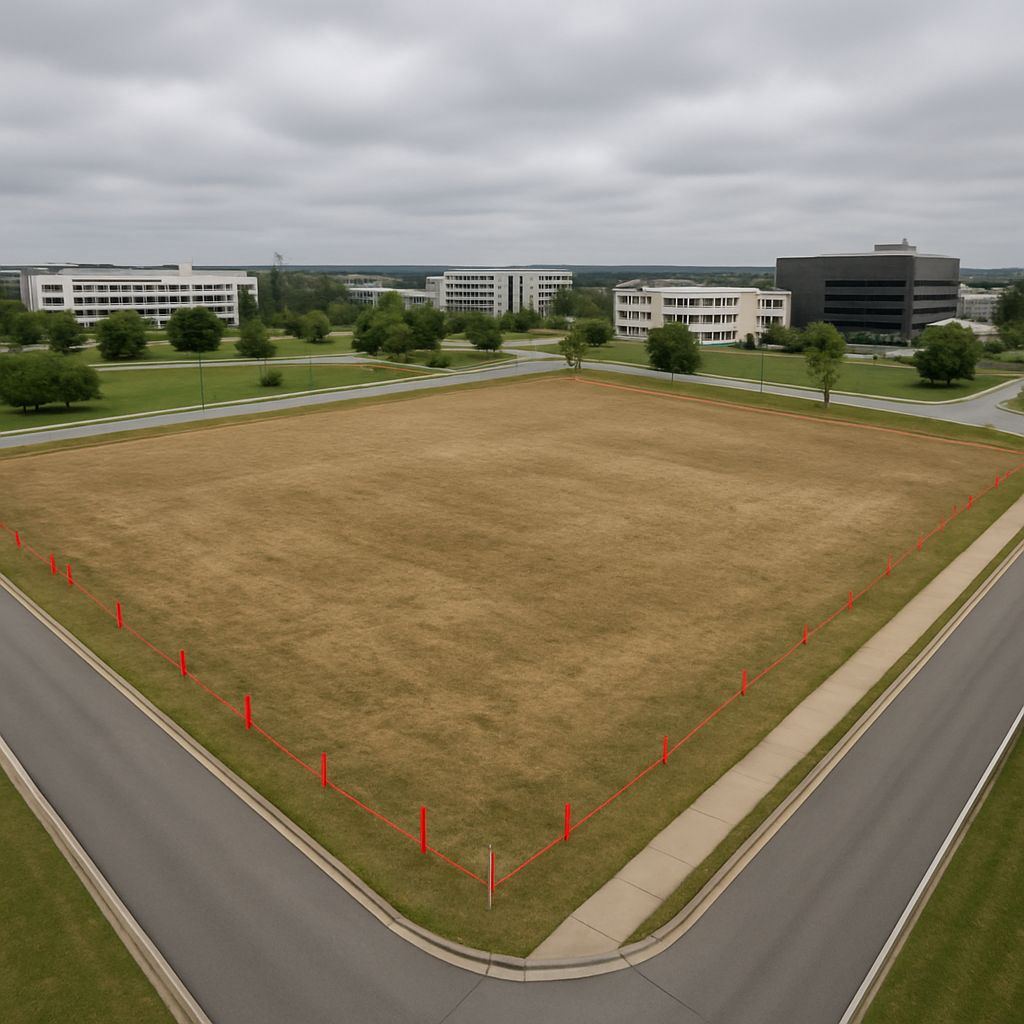
In 2021, Apple pledged to invest $1 billion into building a campus in North Carolina’s Research Triangle Park (RTP), promising some 3,000 jobs. But as of September 1, 2026, there’s no sign they’ve broken ground—or even hired anyone for the campus. The land remains untouched, permits are idle, and approvals have lapsed. The entire project feels stuck in limbo.
Origins of the Plan — And the Stalled Progress
Talk of an Apple campus in RTP began as early as 2018, with formal announcement in 2021. The proposal called for a campus spread across 281 acres, comprising at least six major buildings, parking, internal roads, and a dedicated utility plant. In return, Apple was to receive major incentive packages from the state under a Job Development Investment Grant—promising sizable tax relief tied to achieving employment targets. Eligibility depended, among other things, on hiring at least 126 workers by the end of 2023.
Yet, investigators found that none of those milestones has been met. Permits have not been filed, the site remains undeveloped, and even an erosion approval lapsed without renewal. The state’s environmental inspectors saw no construction activity—no foundation digging, no infrastructure work—just nothing. The promised hiring hasn’t happened either, and the campus site in RTP currently has no one working there under the project’s mandates. Apple does employ staff in North Carolina, mostly at its Cary data center, but those roles do not count toward RTP campus goals.
A Revised Timeline, Not a New Start
Behind the scenes, the incentive agreements have been tweaked to account for delays. Initially, Apple’s tax benefits from the state hung on hitting certain targets by 2023. When those weren’t met, the state extended deadlines. Now, Apple must employ 126 people by the end of 2027. From that date forward, RTP hiring obligations escalate: 1,719 people by year five, and 2,700 by year ten.
Though the incentive clock is ticking, Apple’s progress is still virtual. There’s no active development, no visible movement on-site, and no fulfilling of its employment commitments—despite assurances and paperwork. Whether Apple commits to actual construction soon remains uncertain.
Why the Delay?
Apple’s more cautious hiring strategy post-pandemic likely plays a role. Like many tech giants, it hasn’t rushed back to large-scale employment commitments and is instead being intentional about growth. Also, while hybrid or remote work continues to affect company real estate decisions entirely, one tangible hint: Apple Park itself still isn’t operating at full capacity. These shifts may have contributed to slowing or reshaping the campus plans.
The development environment itself may also be part of the challenge—not only securing permits and gaining approvals but ensuring climate, environmental, local infrastructure, and even state-level support align with the original vision. Even with state incentives in place, the actual logistics of large campus development are complex, and stakeholder expectations are high.
What comes next is crucial. The extended deadlines mean Apple must begin making real strides soon if it wants to keep the offered tax relief and incentives. The terms are in place, the land is secured, but the company now needs to deliver or risk losing financial benefits.
For North Carolina, the campus represented an opportunity for economic revitalization and tech sector expansion. For Apple, it was about decentralizing operations and tapping talent. Now the question is whether this remains in vision or becomes another unbuilt promise. Watch for renewed permit filings, site plans, and visible construction activity—those steps will tell us if the project has finally turned a corner.