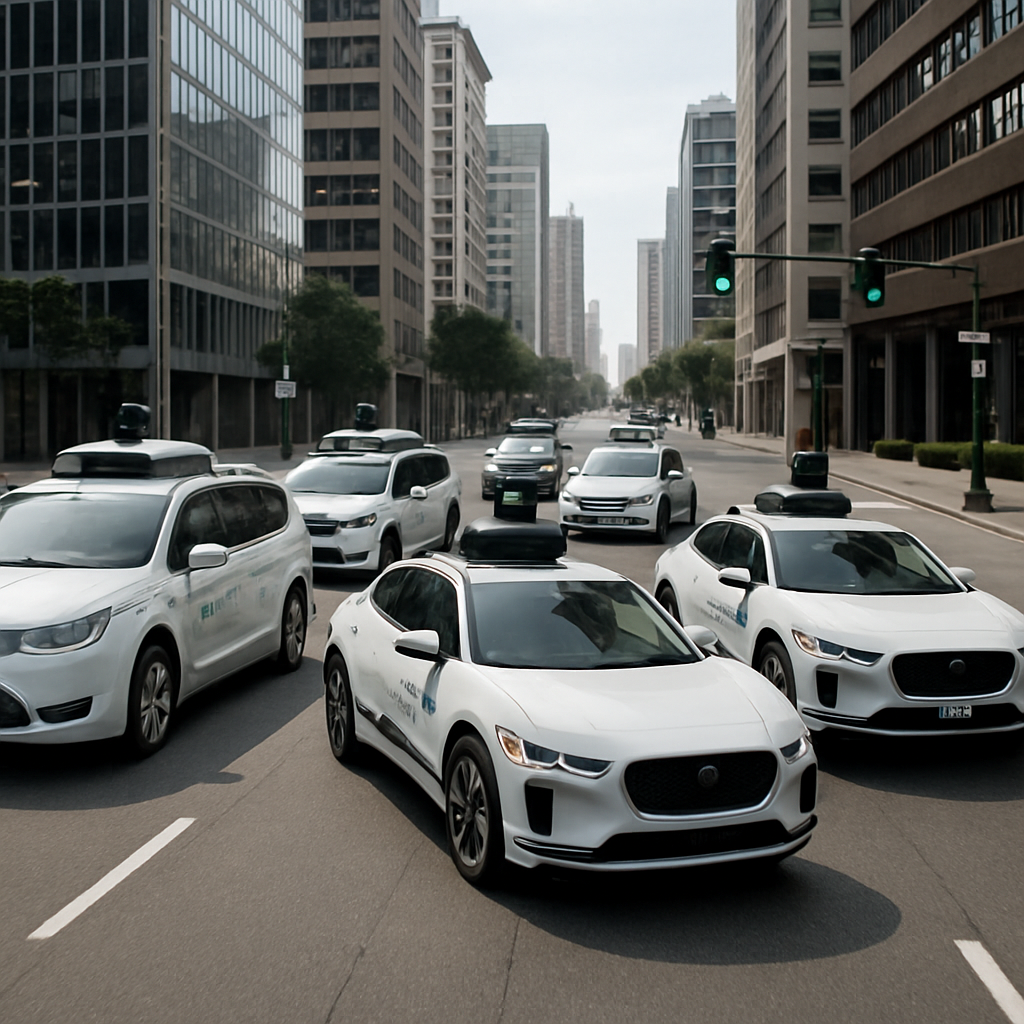
Waymo has officially launched its robotaxi service in Denver, San Diego and Tampa, bringing its driverless ride offerings to 14 U.S. cities. The company will open service to riders gradually, with invitations rolling out over time. Its fleet now includes over 4,000 vehicles, combining self-driving Jaguar I-Pace hatchbacks with a new Zeekr-built minivan called the Ojai.
Expansion Strategy and Fleet Details
The move into these three cities continues Waymo’s aggressive scaling plan, which gained serious momentum around mid-2025. Its commercial robotaxi operations originally centered in Phoenix, and after securing full licensing in San Francisco in August 2023, Waymo steadily expanded across surface streets, suburbs, and freeways. Los Angeles followed in 2024.
In March 2025, Waymo’s model shifted into high gear when it began offering rides in Austin through a partnership with Uber. Since then, the company has added robotaxi services in several additional cities including Atlanta, Dallas, Houston, Miami, Nashville, Orlando and San Antonio.
Navigating Regulations and Introducing the Ojai
A consistent playbook underlies each new city launch: map terrain, test the autonomous systems, remove human safety drivers, then bring in select users—employees, media, others—before opening up to the public. Local laws often dictate how quickly Waymo can charge for driverless rides, with places like California requiring multiple agency permits.
Notably, Denver and San Diego will feature only the Ojai — Waymo’s latest robotaxi minivan equipped with its sixth-generation self-driving system. Designed to reduce costs in production, operations and upkeep, the Ojai fleet starts small, with about 300 vehicles at launch. But it’s expected to grow rapidly as Waymo targets profitability alongside geographical expansion.
Competitive Landscape & Broader Plans
The expansion happens amid growing competition, especially from Tesla. The latter is already offering rides in its Model Y robotaxis (with varying levels of autonomy across cities like Austin, Dallas, Houston, Miami, Orlando and Tampa) and is in development of a custom vehicle called the Cybercab, which omits steering wheels and pedals.
On the regulatory front, Waymo recently received a green light from the Nevada Transportation Authority to operate up to 1,000 autonomous vehicles in Clark County (covering the Las Vegas area) over the next year. At the same time, plans are in motion to bring Waymo’s robotaxi services overseas, with anticipated launches in London and Munich.
Besides adding new cities, Waymo’s core growth strategy hinges on scaling its tech, managing local policy barriers, and transitioning to newer, more efficient vehicle platforms like the Ojai. The firm expects this complex mix of operational, engineering and regulatory work will chart the path to sustainable robotaxi services nationwide.
This expansion solidifies Waymo’s lead in the robotaxi market, but the road ahead includes significant tests around safety, cost control and regulation. Observers should watch how quickly the Ojai-only fleets can reach scale, how competitors like Tesla respond, and whether local governments can adapt policies fast enough to match the pace of deployment. What happens next will set the stage for the broader autonomy revolution.