Google is overhauling how it limits usage in Gemini Notebook: instead of daily quotas, starting in September the tool will use compute-based usage caps. This change brings Notebook in line with recent updates to the Gemini app and will affect all consumer accounts on both web and mobile.
What’s Changing
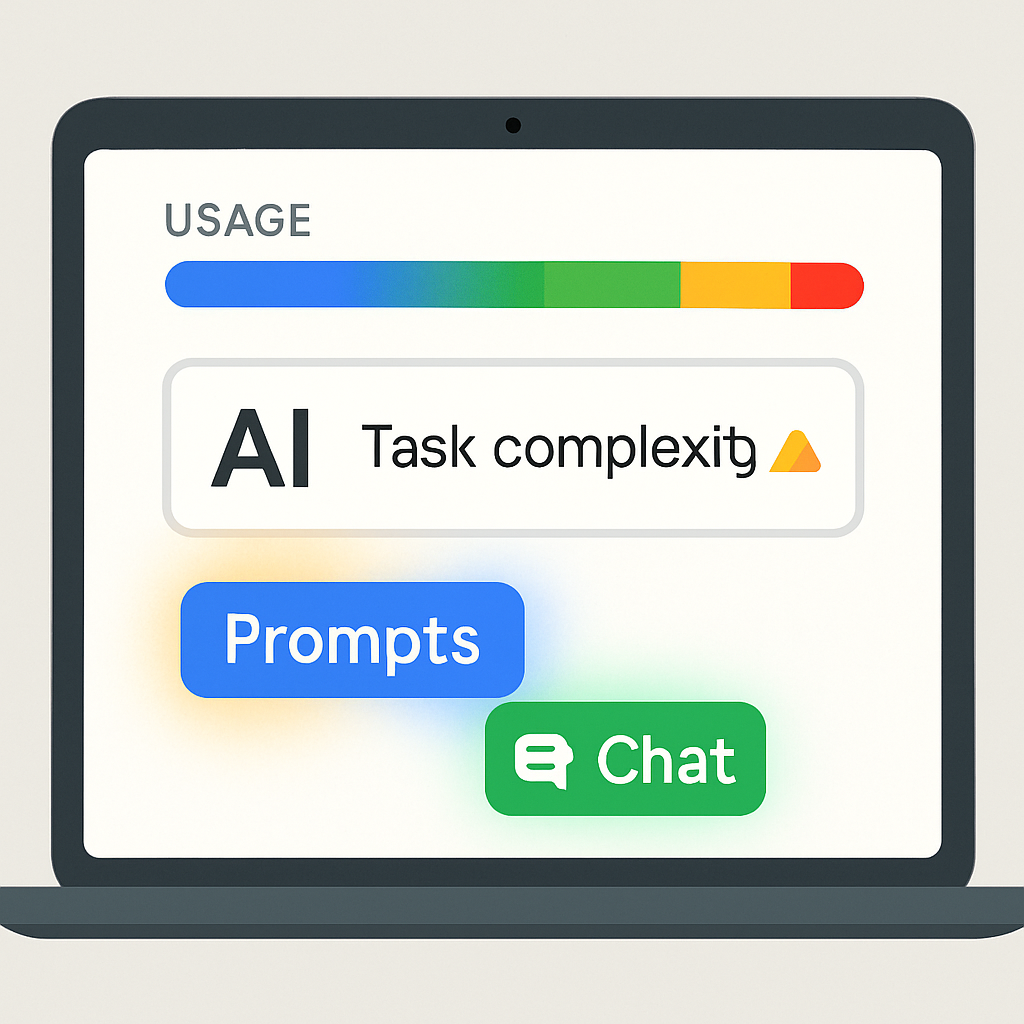
Previously, users were constrained by a fixed number of feature generations per day, depending on their Google AI subscription. Under the new model, usage will be governed by metrics like prompt complexity, chat length, number of sources consulted, and which advanced features are used. The thresholds will refresh every five hours rather than resetting once per day.
User Experience Upgrades & Subscription Tiers
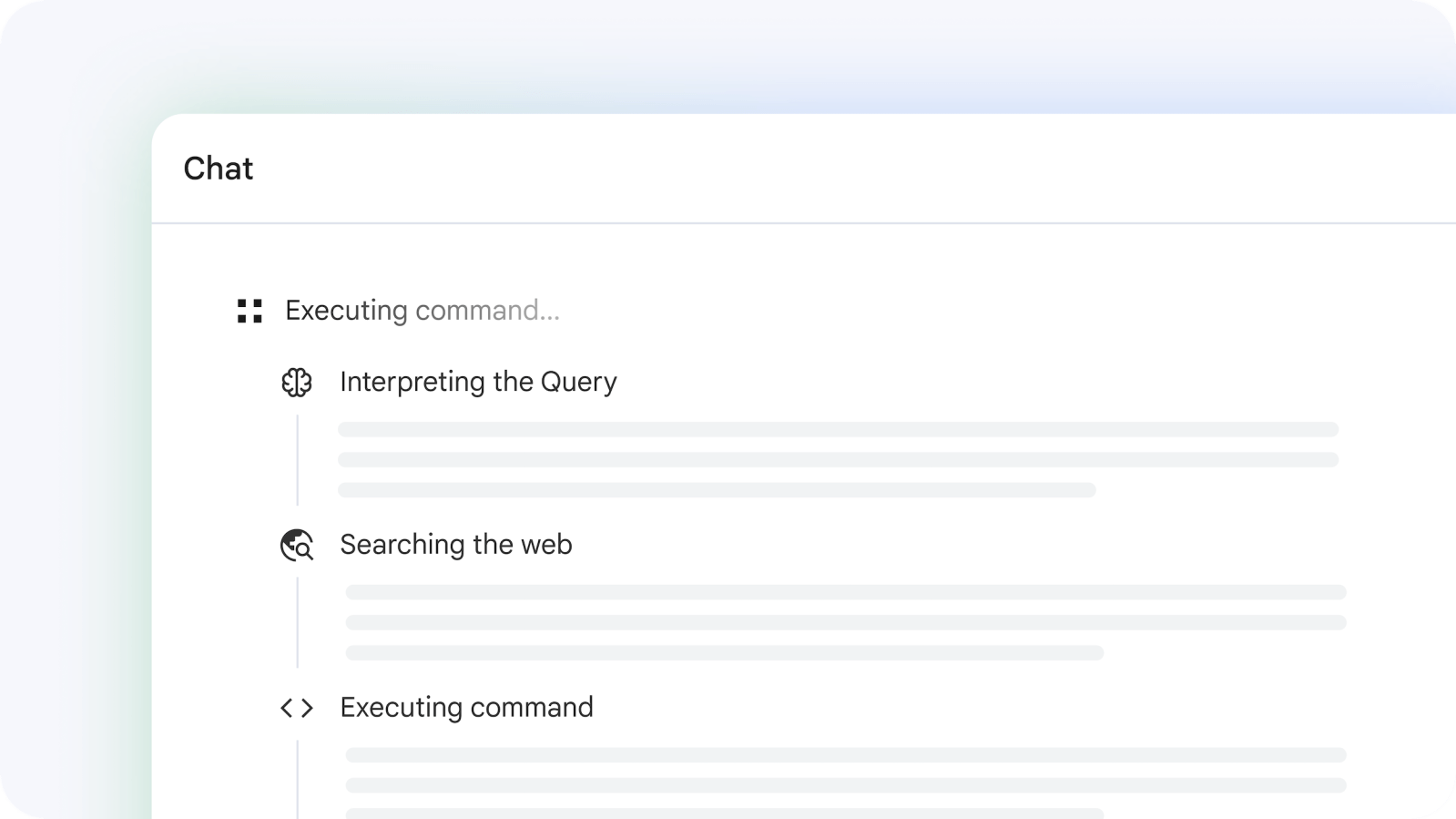
To help users track their usage, there will be a status indicator beneath chat threads, alerting when they’re approaching their limit or have hit it. For example, a message might read that the limit resets at 3:00 PM. Within Studio generations, an additional bar will show the anticipated “AI usage cost,” growing fuller as the output demands more compute. If a requested output would exceed the limit, Notebook will suggest lighter alternatives or let you delay execution until the next reset—features especially useful for demanding tasks like video overviews or slide deck generation.
The limits vary by subscription level. Free users will have baseline restrictions. Paid tiers get progressively higher limits: Google AI Plus users enjoy double the standard cap; Pro users receive four times; and Ultra subscribers benefit from five to twenty times the national Pro limits, depending on subscription specifics.
When It Starts
The compute-based usage limits rollout begins September 2 for consumer accounts on web and mobile platforms. Google stresses that the change is a switch in policy—not a reduction for any specific tier, but a rebalancing to make usage fairer and aligned with actual resource costs.
This shift to compute-based quotas follows similar changes made to the Gemini app earlier this year and reflects Google’s broader trend of tying usage more directly to processing demand and feature intensity.
Ultimately, this adjustment means more transparency and flexibility for users. Heavy tasks will be more visible, and ambitious workflows—video creation, multi-source research—will require more careful planning. As AI tools grow more capable, usage models that reflect cost and effort become increasingly necessary.