After years of speculation, Apple appears finally ready to unveil its first foldable iPhone, which may carry either the name “iPhone Fold” or “iPhone Ultra.” For more than a decade, rumors and internal leaks have pointed to development of a folding-display iPhone, and current leaks suggest the unveiling could be just weeks away.
What’s in a Name — Fold or Ultra?
While the final product name hasn’t been settled, the “Ultra” branding has gained significant traction. Early this year, a dependable leaker claimed Apple plans an entire line of Ultra-tier devices, including a foldable iPhone. That same source suggested Apple actually refers to the new model internally as the “iPhone Ultra.” Additional rumors around August 2026 echoed that this is how Apple’s employees themselves refer to the device. Others however argue that any leak of internal naming is likely premature, and that “iPhone Fold” remains a strong contender.
Release Timing: September 2026 or Later?
Predictions on release dates have swung between late 2026 and early 2027. Some reliable voices point to September 9, 2026, as the announcement date, matching Apple’s usual fall cycle. Others suggest manufacturing delays could push ship dates into year’s end or even into 2027. Trial production supposedly began in mid-2025, and despite supply chain challenges and hinge design issues, many believe a launch alongside the iPhone 18 Pro line is still possible. Specific leak sources claim that while Apple will announce the foldable in September, the units may not be widely available until after this date.
Display, Design, and Durability
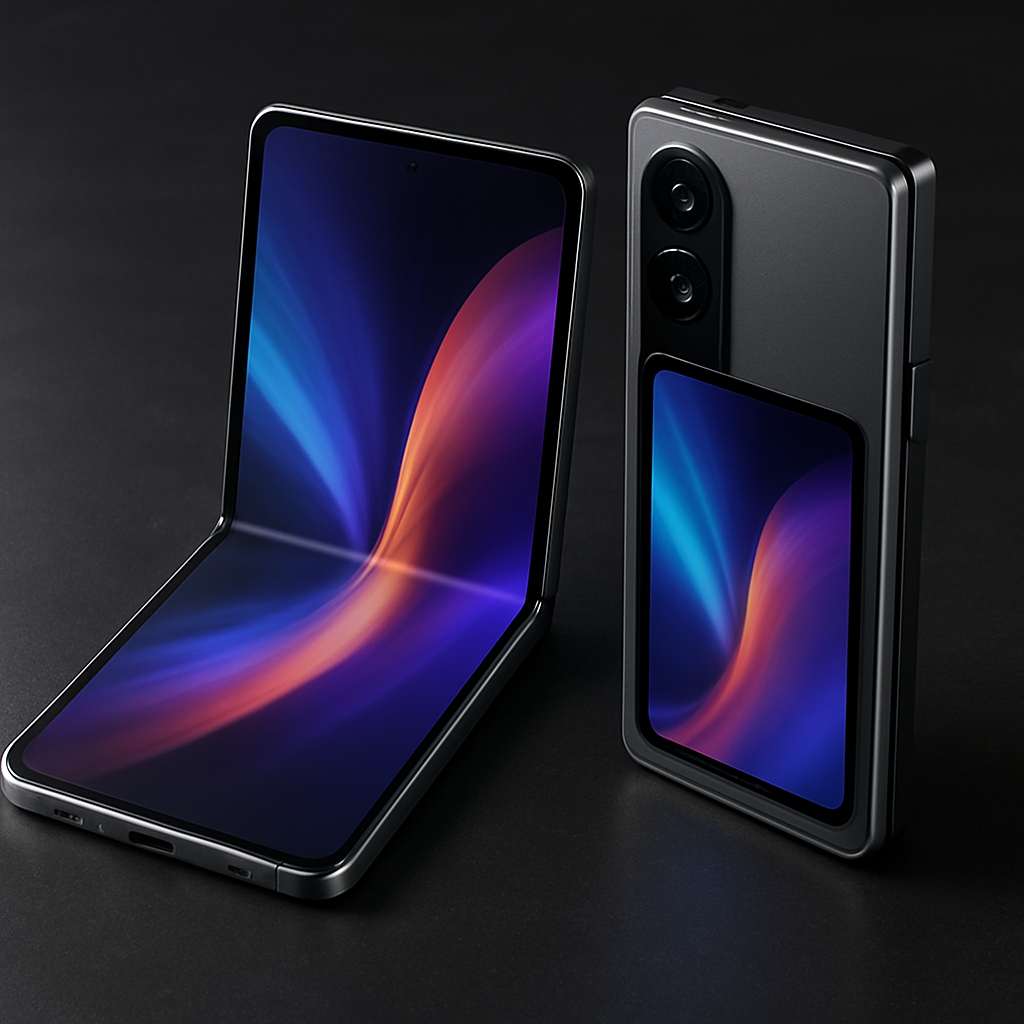
The foldable iPhone is expected to feature two displays: an outer screen usable when closed, and a larger inner folding display. Rumors paint a 5.49-inch outer panel (roughly matching current iPhone ppi norms) and a 7.5-7.8-inch internal screen, which would resemble a small tablet like the iPad mini when unfolded. The inner display may host an under-display camera, while the outer screen is likely to use a punch-hole front camera.
Display durability is a major focus. Apple is said to be using in-cell touch sensors rather than on-cell, to reduce visible flex lines. The fold’s crease, a common weak point in foldables, is rumored to be engineered to remain shallow (reportedly under 0.15 mm), much less visible than those in competing devices. Additional innovations may include a flexible adhesive layer (OCA) to absorb stress, and protective layers such as ultra-thin flexible glass or transparent polyimide for added resilience.
Hardware, Cameras & Extras
The internal powertrain of the device is expected to be top tier. Apple allegedly plans to use the A20 Pro chip, built on a 2nm process and packaged using Wafer-level Multi-Chip Module (WMCM) methods. This chip is tipped to outperform the current A19 Pro by 10-15%, while quieter cooling design, possibly a vapor-chamber system, could help keep thermals under control. Battery rumors are mixed: some sources anticipate a large 5,000 mAh 3D-stacked cell; others simply say it will be the biggest battery Apple has deployed to date. Face ID may be constrained by the device’s structure; leaks suggest Touch ID could be built into the side button instead.
Camera arrangements appear simpler. Expect two rear cameras—main and ultra-wide—and dual front cameras: one under the internal screen and another visible on the outer screen. Telephoto capability seems unlikely, according to current mockups and CAD leaks, which show dual rear lenses rather than a triple setup.
Price, Production & Market Expectations
Cost is expected to land much higher than Apple’s current flagship phones. Some analyst estimates place the starting price anywhere from $2,000 to $2,500 or more. Speculated prices for different storage tiers hover between $2,100 and upwards of $2,900 for high-end models depending on configs. Manufacturing appears to be in progress—Samsung Display is the leading candidate for supplying the folding panel, with high yield rates reported in its Vietnam facility. Production planning seems focused on managing both demand and component constraints.
Sales forecasts are ambitious but not certain. First-generation shipments are estimated between 10 million and 11 million units, though some predict this could rise substantially in subsequent years. But analysts caution that price, durability, and supply may all limit adoption.
What this means: For years, Apple has researched foldables — securing dozens of patents across hinges, flexible materials, and display technologies. Now it appears ready to finally bring the hardware to market, though not without risk. Pricing will likely restrict the iPhone Ultra to early adopters, and even minor defects in hinge mechanics or screen quality could mar its early reputation. Broader success will depend on whether Apple can deliver the polish it’s promising — shallow crease, reliable durability, and seamless performance — while justifying its premium beyond “first foldable.”