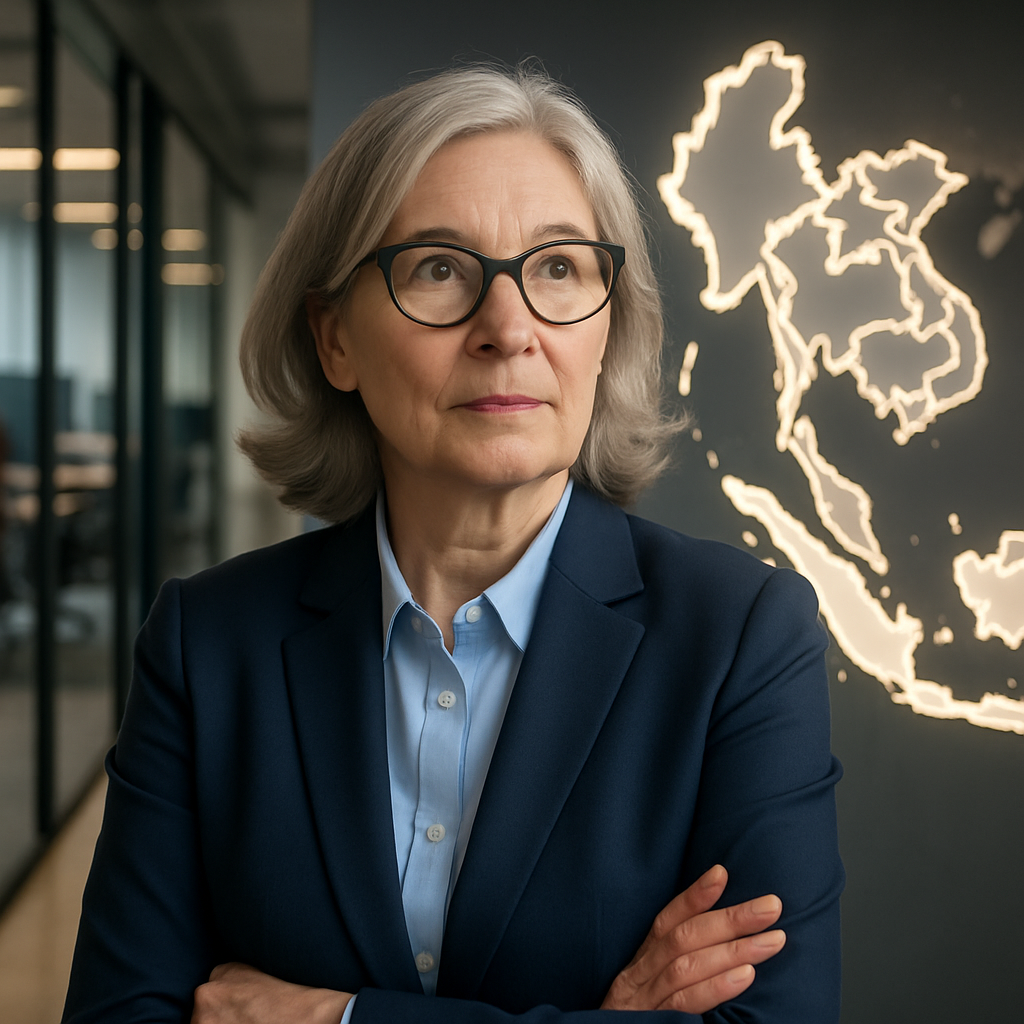
Meta’s vice president for India and Southeast Asia, Sandhya Devanathan, is leaving the company to take a senior role at OpenAI. She will be based in Singapore and report to OpenAI’s Asia-Pacific managing director, Kiran Mani, managing consumer growth, enterprise adoption, partnerships, regulatory engagement, and operations across Southeast Asia and Australia. Devanathan has been with Meta since 2016. She led various teams there — including its Asia-Pacific gaming division — before being elevated to VP for India and Southeast Asia in June of last year.
OpenAI’s Expansion in Asia-Pacific
Her arrival comes shortly after Prabhjeet Singh’s appointment as OpenAI’s head of India. Singh formerly spent over ten years at Uber, overseeing its India and South Asia operations. The move underscores OpenAI’s ongoing push into the Asia-Pacific region. Over the past two years, the company has opened offices in Singapore, Tokyo, Seoul, Sydney and Delhi.
Pressure Mounts on Meta in India
Meta’s increasing regulatory challenges in India provide essential context. One recent incident involved Instagram mistakenly restricting a post by Prime Minister Narendra Modi in July, prompting Meta to issue an apology. Indian regulators had summoned Meta’s senior leadership over the error.
Another flashpoint concerns concerns about child sexual abuse material on Meta’s platforms. The Indian government sought explanations following a BBC report about Instagram ads allegedly offering access to such content. In response, Meta said it removed the violating ads and accounts and insisted it did not knowingly target users based on inappropriate interests. It also reported removing 160,000 accounts in India in the past six months for signals indicating child-exploitative activity.
Following Devanathan’s departure, Meta’s India managing director, Arun Srinivas, will report directly to Benjamin Joe, Meta’s VP for Asia-Pacific.
Why this matters: Leadership shifts at this level often signal strategic pivots. Devanathan’s move comes at a high-stakes moment for both Meta and OpenAI in India — Meta facing tougher regulatory scrutiny, and OpenAI deepening its investments in the region. Devanathan brings deep experience at Meta across regulation, operations and content oversight — areas where companies operating in India increasingly face pressure. Her transition may accelerate OpenAI’s capacity to handle region-specific challenges around safety and compliance, while Meta could feel the loss of institutional knowledge just as it needs it most. Keep an eye on how OpenAI leverages this appointment across policy and content moderation, and how Meta restructures to respond effectively to compliance demands.