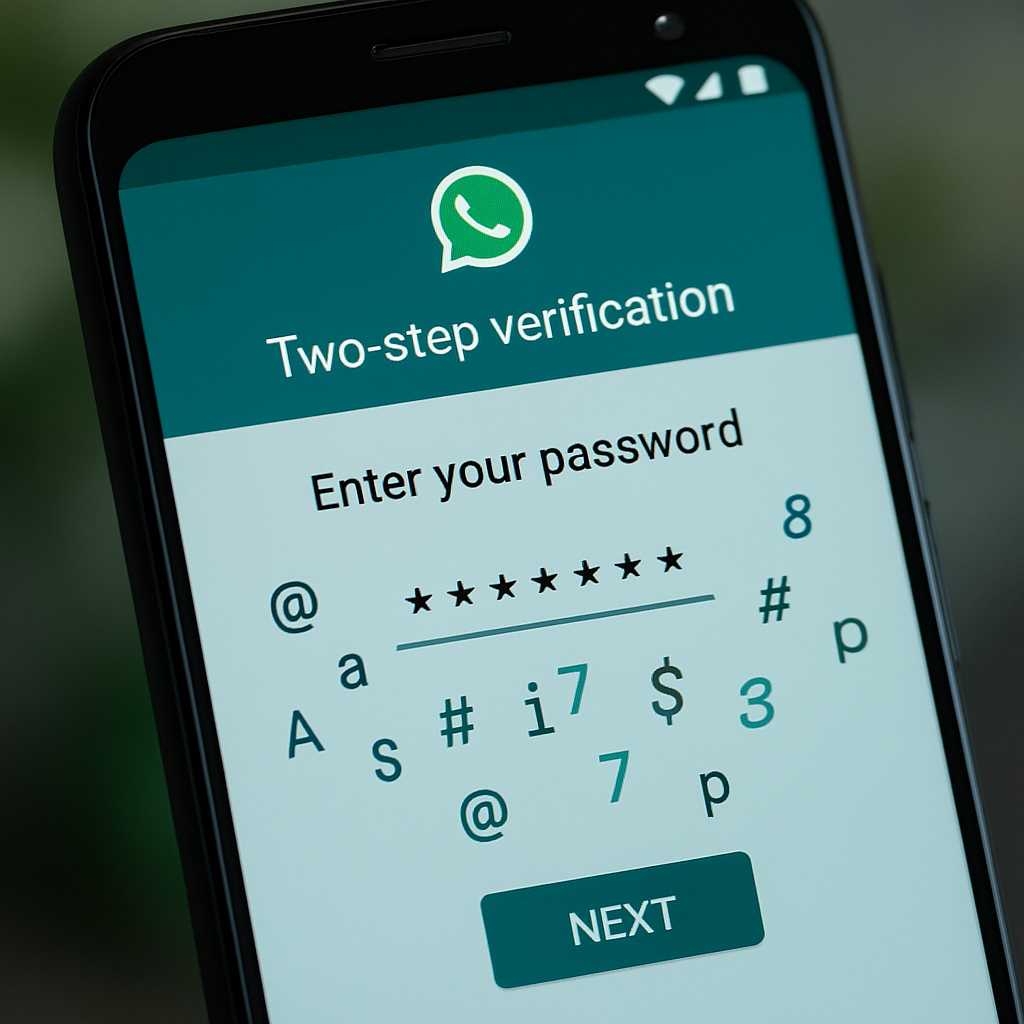
WhatsApp is strengthening its account protection by moving away from six-digit numerical PINs for two-step verification. The messaging platform will now require full passwords—longer, alphanumeric, and including special characters—for this extra authentication layer. This update is part of broader security enhancements rolling out as WhatsApp celebrates over one billion users now using passkeys.
Two-step verification previously relied solely on simple PINs. Under the new system, these codes will function like proper passwords, giving users the chance to include letters, numbers, and symbols such as “@” or “$.” This alteration aims to make it much harder for attackers to guess or brute-force access. Users who have weak PINs like “123456” are being strongly encouraged to upgrade.
Incoming Call Alerts Get More Context on Android
Across Android devices, WhatsApp is also changing the way calls from unknown numbers are displayed. The update adds context such as the caller’s country and whether the number belongs to any group chats of which you’re a member. This is designed to help users decide whether to answer calls that might be spam, scams, or otherwise suspicious.
Taken together, the shift from numeric PINs to full passwords plus enhanced incoming call identification show WhatsApp pushing for tougher security hygiene at the account level. Passkeys, longer credentials, and better context mean less reliance on weak secrets and more awareness of potential threats.
Why this matters: six-digit PINs are easy to compromise once attackers gain any insight or can guess patterns. A full password elevates security expectations and delivers real protection. If you use WhatsApp, check your security settings—set a strong two-step password and pay attention to incoming calls from unknown numbers.