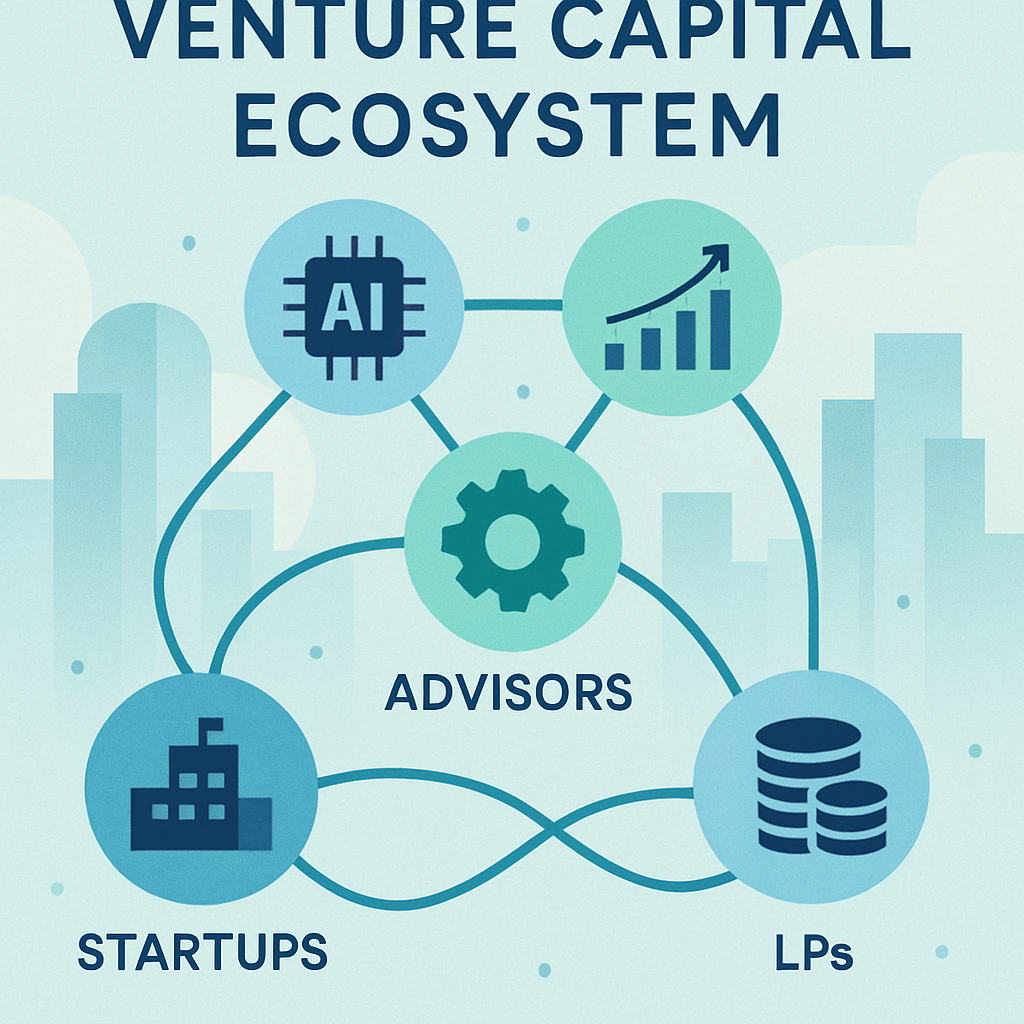
FGV Capital, formerly known as Fiat Ventures, is reshaping its approach to early-stage investing by merging its advisory and venture arms under a singular brand. Alongside the rebrand, the fintech-focused firm announced the close of its second fund—a $35 million vehicle aimed at backing startups at the intersection of fintech, AI, healthcare, commerce, and adjacent fields. This hybrid fund-and-advisory model is central to FGV’s growth thesis, promising deeper support beyond capital alone.
From Fiat Growth to FGV Capital: Merging Advisory and Investing
The firm’s advisory division, Fiat Growth, provided scaling guidance, go-to-market strategies, and access to a network of industry executives for startups. Now, FGV Capital integrates this capacity with its investment operation, offering founders both financial backing and advisory support. Despite the closer synergy, the investment and advisory teams remain distinct entities with safeguards to prevent conflicts of interest.
Fund II Strategy, Size & Stakeholders
The $35 million Fund II was about 18 months in the making and draws in LPs who provide more than just capital. In addition to standard financial support, limited partners like Reinsurance Group of America, MassMutual, and Bank of America will contribute business guidance or open doors for growth-stage partnerships. The fund aims to invest in at least 25 companies over two years, writing checks in the $1 million to $1.5 million range. So far, 13 investments have been made. FGV’s portfolio already includes roughly 40 startups, including pet insurance company Wagmo and lender Possible Finance.
FGV’s partners believe their integrated model gives them a competitive edge in attracting both LPs and founders. For founders, the draw is dual value: capital plus advisory backing. For LPs, it’s the potential for cross-ecosystem opportunities—being customers, partners, or scaling agents for FGV-backed companies. FGV has also launched a program to help portfolio companies from LPs scale and expects to facilitate matching between advisory clients and investment opportunities.
The firm’s investment thesis centers on fintech’s overlap with AI, healthcare, commerce, and related areas. While Fund I stood at $25 million, Fund II builds on that foundation, utilizing the enhanced infrastructure and ecosystem to compound value through capital, advisory relationships, and industry connections.
Overall, FGV Capital expects this full-stack structure to create asymmetrical value: companies they invest in may become advisory clients; advisory clients might be future investments; and LPs could become startup partners or customers. All parts of the system are designed to reinforce one another, while remaining separate to preserve fairness and integrity.
What it means: This new model takes aim at a common pain point in early-stage investing—how to provide value beyond just money. By combining advisory services with direct investment, FGV aims to deliver more holistic support to startups and more engaged involvement for LPs. The approach could influence other funds seeking stronger differentiation in a competitive venture landscape. The key to watch will be how well FGV can manage the dual roles without compromising independence, and whether its portfolio performs enough to validate this full-stack strategy.