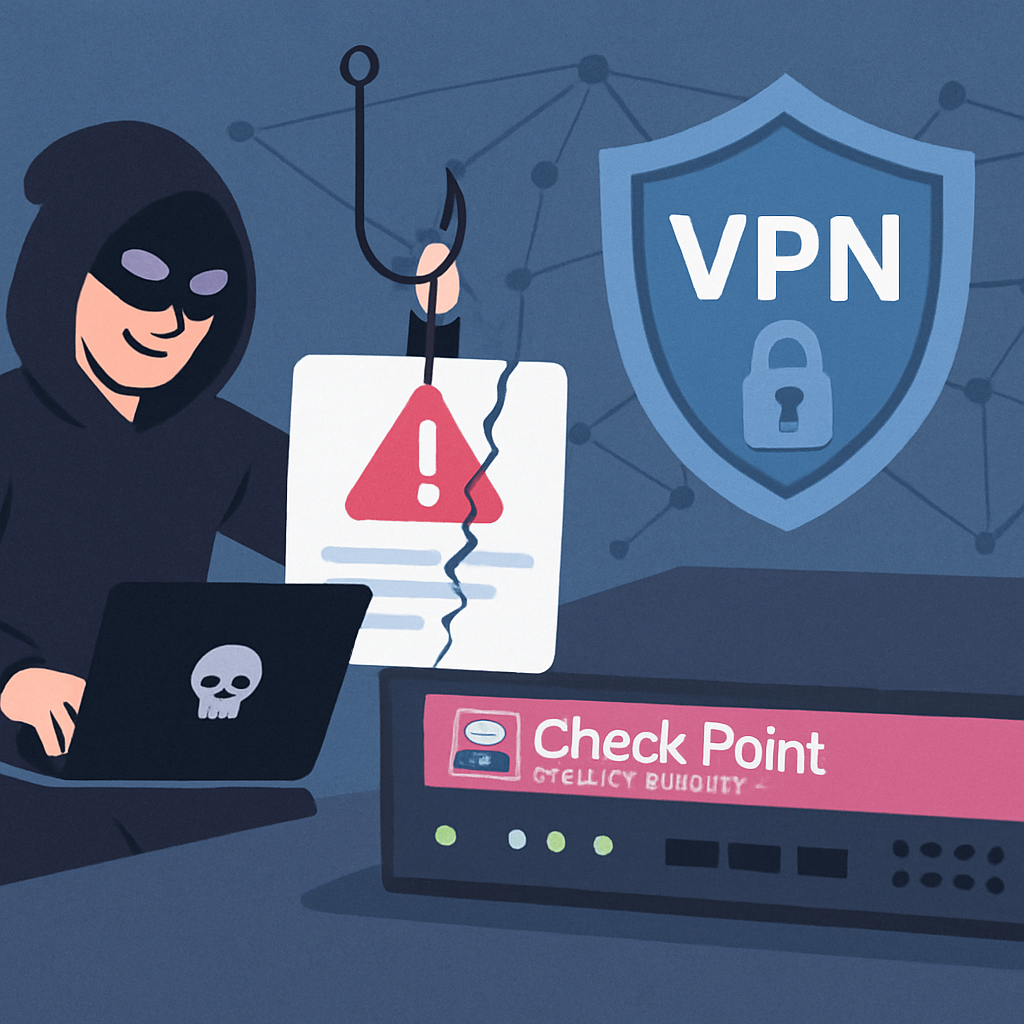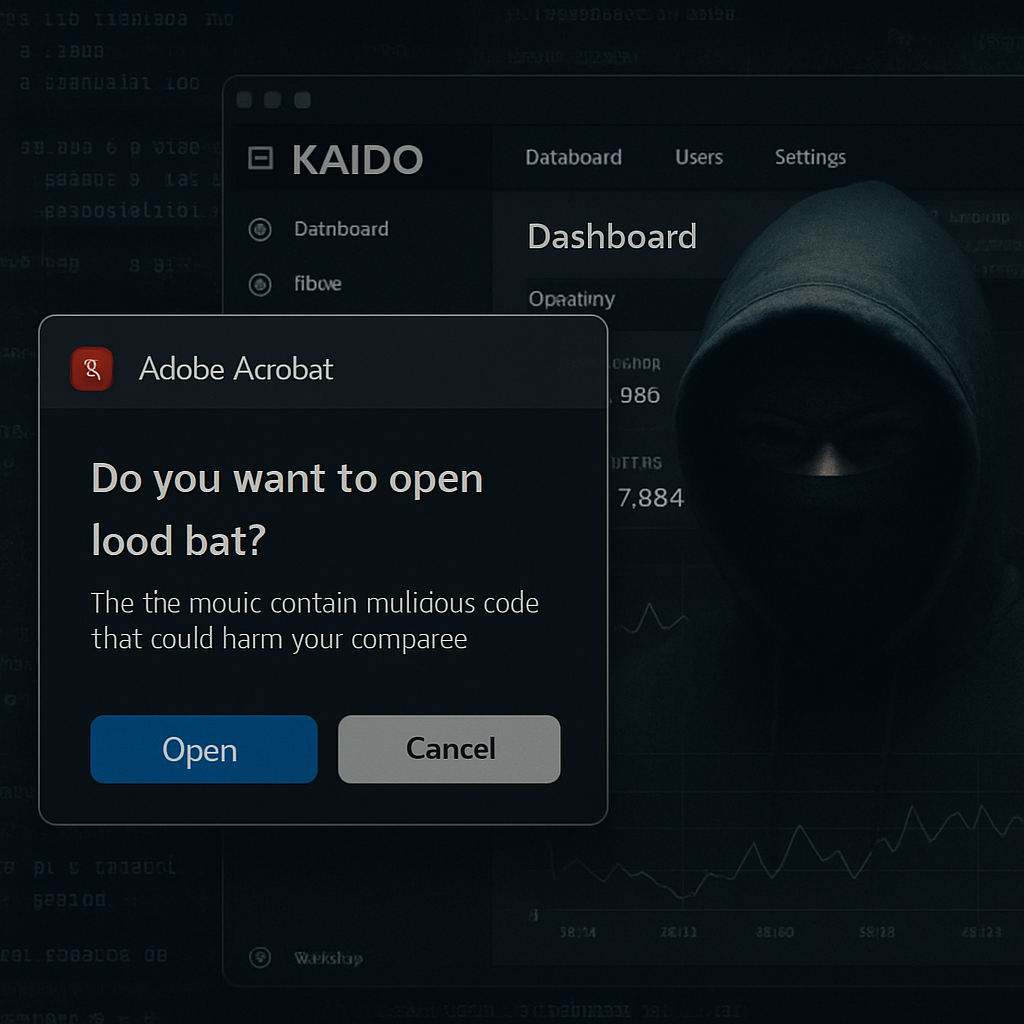
A newly uncovered Malware-as-a-Service (MaaS) platform is masquerading behind a domain that imitates Adobe Acrobat Reader, targeting Windows users with .bat files served through WebDAV to deploy malware. The deceptive site, acrobatreaderonline.com, presents itself as a document or payment service but actually serves as a live backend where threat actors can build, manage, and launch attacks. This discovery was made by researchers from Clandestine during an open-source review on August 23, 2026. (Adobe-themed domain vulnerabilities: acrobatreaderonline.com, kaido.sh) ([cybersecuritynews.com](https://cybersecuritynews.com/malware-as-a-service-adobe-themed-domain/))
How the Attack Operates
The malicious infrastructure uses a fake landing page titled “SecureWorkspace WebPanel” paired with a subpath identified in the codebase as “Kaido Panel.” Beneath the façade, the site hosts protected endpoints—including command-and-control, authentication refresh, and SignalR hub routes—that operators can access once authenticated. Public-facing JavaScript reveals modules for file management, building attack components, and operations labeled “loot.” Financially targeted vector types include banking overlays, boleto lures, and phishing campaigns. ([cybersecuritynews.com](https://cybersecuritynews.com/malware-as-a-service-adobe-themed-domain/))
One of the key tactics is using .bat files delivered via WebDAV loaders. Historical forensic records show a dropper configured to use Windows’ WebClient service to fetch batch scripts remotely. Once opened by the victim, these .bat scripts can execute arbitrary commands—turning even a seemingly innocent PDF or payment notice into a full system compromise. ([cybersecuritynews.com](https://cybersecuritynews.com/malware-as-a-service-adobe-themed-domain/))
Infrastructure, Indicators, and Recommendations
The registrar data shows acrobatreaderonline.com was registered in June 2026 and is hosted via Cloudflare. Its nameservers are the same as kaido.sh, a domain previously tied to similar malicious infrastructure. At the time of inspection, only the “www” host was live. Other expected hostnames were inactive, possibly reserved for future expansion of its control network. ([cybersecuritynews.com](https://cybersecuritynews.com/malware-as-a-service-adobe-themed-domain/))
Key Indicators of Compromise (IoCs) include:
• Domains: acrobatreaderonline.com (Adobe-themed operator site), www.acrobatreaderonline.com (resolving host), kaido.sh (nameserver-related), free.kaido.sh (historically used WebDAV loader), wildcard *.kaido.sh, and x4m1k.com.
• IPs: 104.21.2[.]104 & 172.67.129[.]21 (associated with the Adobe-themed domain), 185.208.158[.]27 (WebDAV loader activity).
• Nameservers: aarav.ns.cloudflare.com & may.ns.cloudflare.com.
• URL paths: /hub (SignalR hub), /api/loot (data exfiltration), /api/auth/refresh.
• File artifacts & Windows behavior: .bat dropper, WebClient service usage, local cache path TfsStore\Tfs_DAV, and session token “kaido_token.” ([cybersecuritynews.com](https://cybersecuritynews.com/malware-as-a-service-adobe-themed-domain/))
Defensive steps urged by analysts include blocking the identified domains via DNS, proxies, and email filters; monitoring for unexpected WebClient or WebDAV-related activity; examining local caches for artifacts like TfsStore\Tfs_DAV; and ensuring Acrobat Reader software is only downloaded from Adobe’s official site—not via lookalike domains or unsolicited emails. ([cybersecuritynews.com](https://cybersecuritynews.com/malware-as-a-service-adobe-themed-domain/))
This campaign fits a broader trend where attackers lean on brand impersonation—especially of trusted names—to lower victims’ guard. Recent incidents have used fake Adobe-themed emails or document-sharing lures to conceal malicious payloads. The move from static lure to interactive panel makes this operation more dangerous than typical phishing. ([cybersecuritynews.com](https://cybersecuritynews.com/malware-as-a-service-adobe-themed-domain/))
Security teams need to tune detection rules for remote folder activity, batch file execution, and odd domain resolutions. Early telemetry collection is crucial to understanding scope. Reporting the infrastructure to registrars, hosting providers, or national security bodies can help disrupt the operation. ([cybersecuritynews.com](https://cybersecuritynews.com/malware-as-a-service-adobe-themed-domain/))
Why this matters: The evolution of this MaaS setup shows how cybercriminals are moving beyond phishing into fully featured platforms that allow easier deployment of malware. For individuals and enterprises alike, the risk lies not just in malicious files, but in the infrastructure behind them—brand mimicry, remote access, and attack modules—requiring defenders to adopt both technical and procedural countermeasures. Stay vigilant—verify URLs, monitor behavior, and assume any unsolicited document could be more than it appears.