With Google yet to release an “Ultra” version of its Pixel Watch, speculation is growing about what such a device could look like—and what it should—and shouldn’t—borrow from other wearables. A prime inspiration could be Fitbit Air. Its design cues, durability, and modularity may offer Google some well of useful ideas.
Why Google may need something more rugged
The current Pixel Watch blends premium aesthetics with fitness features, but its style leans more “luxury” than “rugged.” Its domed display, though visually striking, doesn’t offer the same toughness you get with materials like sapphire, and its finish is fully exposed—something that can make it vulnerable in high-wear environments. At the moment, Google’s design has more in common with fashion watches than with those built for sweat, impact, or adventure. ([9to5google.com](https://9to5google.com/2026/08/23/google-pixel-watch-ultra-ideas/))
Both Apple and Samsung have already ventured into tougher smartwatch territory with their Ultra models. Google’s Pixel Watch 5 already pushes boundaries for the brand, but it may be nearing a limit where incremental upgrades won’t cut it—what’s needed is a distinct variant tailored to more extreme conditions. ([9to5google.com](https://9to5google.com/2026/08/23/google-pixel-watch-ultra-ideas/))
Lessons from Fitbit Air
Fitbit Air has done interesting work reshaping expectations for fitness wearables. One standout feature is its removable “pebble” core—allowing the band to detach from the tracker. That design makes swapping straps easier, reduces risk of damaging the tracker, and introduces customizability without compromising functionality. For an Ultra-looking Pixel Watch, that kind of modularity could make all the difference. ([9to5google.com](https://9to5google.com/2026/08/23/google-pixel-watch-ultra-ideas/))
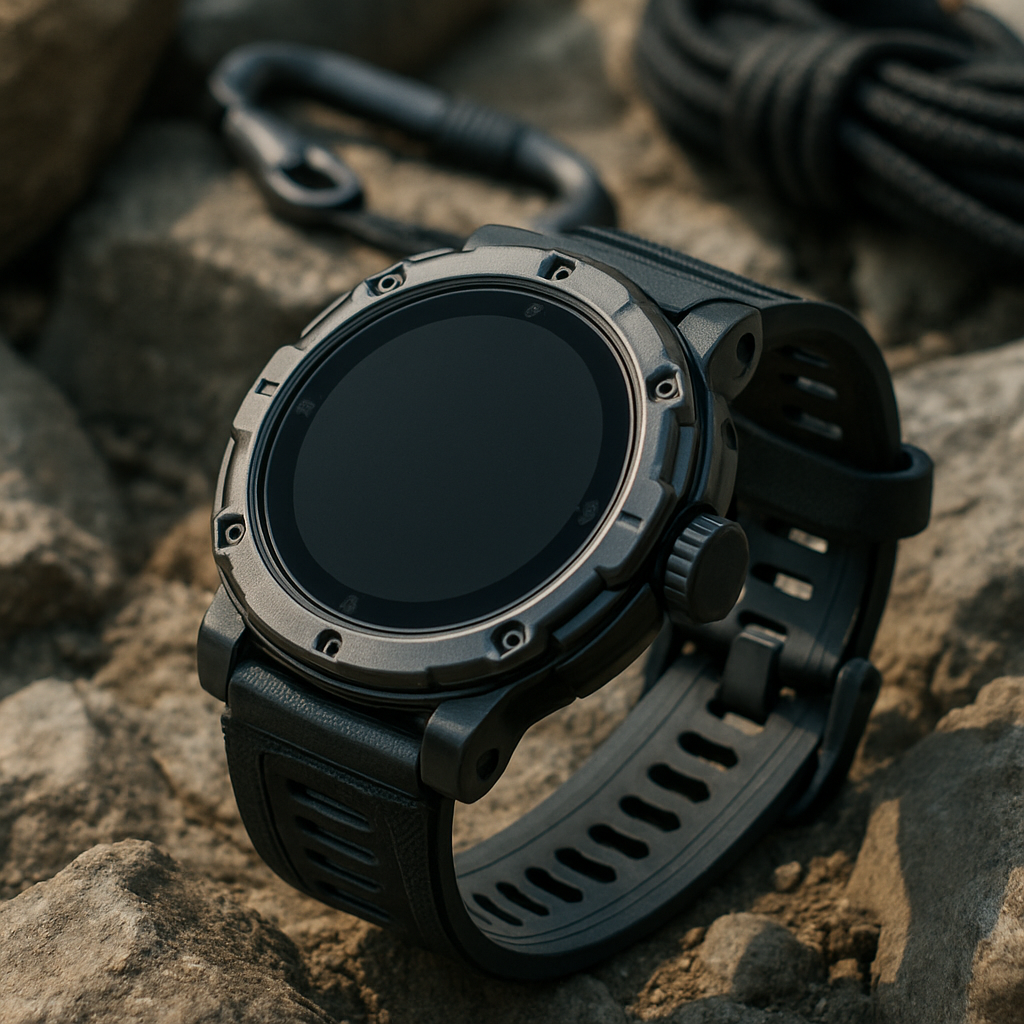
Another idea to borrow would be offering materials that are more resilient. Where current Pixel Watches use domed, fully exposed glass, an Ultra version could employ a bezel or even alternative facing materials like sapphire or ceramics akin to those rumored for Google’s high-end folding models. A bezel or protective lip could offer critical protection in rough use, particularly outdoors or during intensive sports. ([9to5google.com](https://9to5google.com/2026/08/23/google-pixel-watch-ultra-ideas/))
What Google might—and should—not change
While durability is a major priority, it’s important that any Ultra variant keep what makes the Pixel Watch stand out: attention to fitness tracking, wear OS capabilities, and Google’s software ecosystem. These features have defined the Pixel Watch’s identity and appeal among users who want both style and function. A rugged design doesn’t replace those things—it should build on them. ([9to5google.com](https://9to5google.com/2026/08/23/google-pixel-watch-ultra-ideas/))
At the same time, going Ultra doesn’t mean chasing every high-end spec. Many consumers don’t need every sensor, the most exotic materials, or military-grade cases. Instead, Google should focus on the middle ground: elevate build quality, beef up protection, improve utility for athletes and outdoorsy users, and preserve affordability. It’s about optimizing where it matters most. ([9to5google.com](https://9to5google.com/2026/08/23/google-pixel-watch-ultra-ideas/))
It remains unclear whether Google is developing a Pixel Watch Ultra, or when it might arrive. But if it does come, adopting a Fitbit Air–like approach—modular design, resilient materials, practical protection—could mean the difference between another premium fashion watch and a wearable you can really take anywhere.
What this means for wearables is that there’s still room to carve out dedicated tiers. For Google, the Ultra version could help close gaps with Apple, Samsung, and rugged adventuring brands like Garmin. Watch for patents, component leaks, and Google’s regulatory filings in the coming months—they’ll likely offer the best clues about whether Ultra is on the horizon, and whether it’ll be built more like a trophy or a tool.