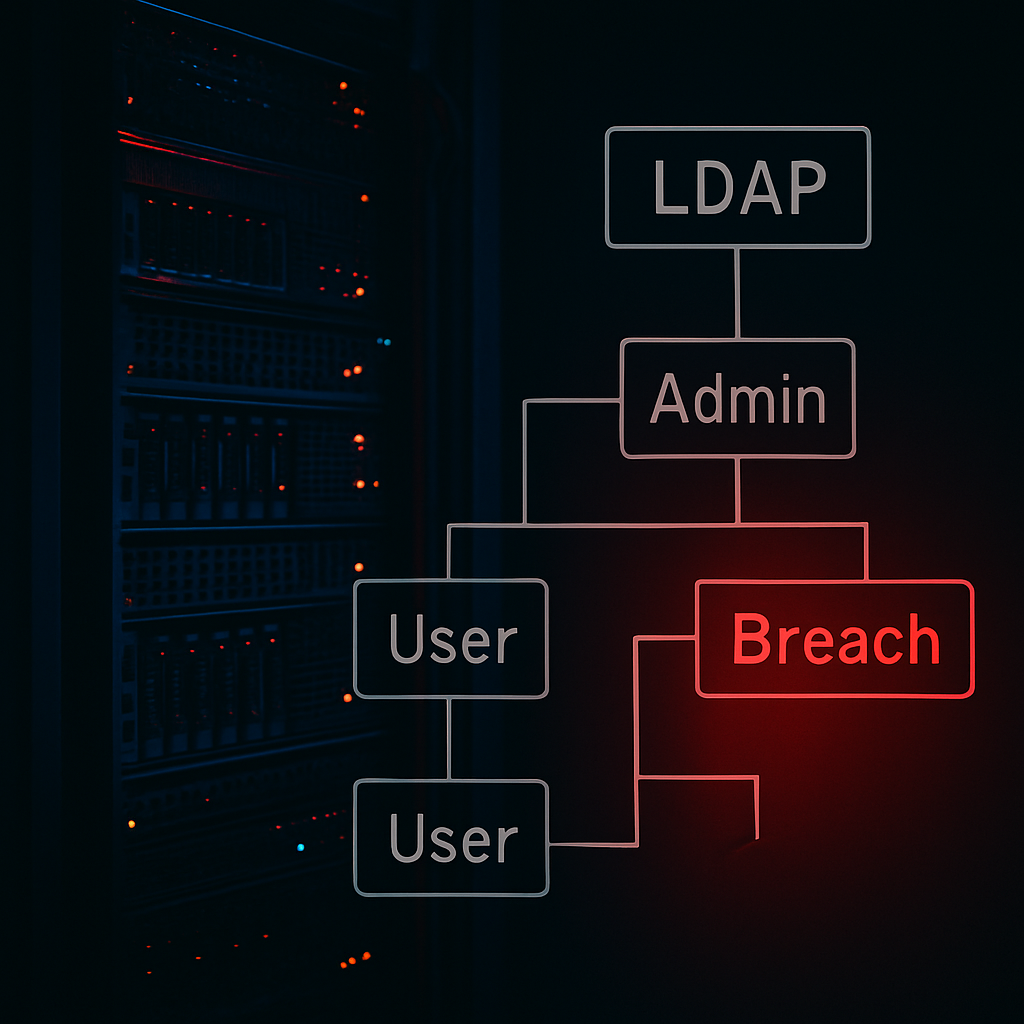
A severe vulnerability in Spring Security’s implementation of embedded LDAP—specifically the UnboundID LDAP server—is putting applications at risk of remote takeover. Tagged as CVE-2026-59270, the flaw lets attackers gain administrative control over in-memory LDAP directories without needing any authentication or user interaction, as long as the service is exposed on a reachable network interface. The issue was publicly disclosed on August 20, 2026.([cybersecuritynews.com](https://cybersecuritynews.com/spring-security-flaw-access-ldap-servers/))
What’s the risk?
The vulnerability stems from the UnboundIdContainer component, which by default creates an administrative bind credential and binds the LDAP listener to all interfaces. This means that if firewall settings, container networks, or cloud security rules allow, the LDAP service may be reachable beyond localhost—opening the door for unauthenticated attackers.([cybersecuritynews.com](https://cybersecuritynews.com/spring-security-flaw-access-ldap-servers/))
Once connected to the LDAP port, attackers can use the known admin bind DN to access the directory with full privileges. From there they can read, modify, inject, delete entries—even those related to user roles, permissions, or application configuration. Though the directory resides in memory, it often contains sensitive data loaded at startup in environments used for development, testing, or CI/CD pipelines.([cybersecuritynews.com](https://cybersecuritynews.com/spring-security-flaw-access-ldap-servers/))
Affected versions & patch details
Many Spring Security versions are vulnerable, including 7.1.0; 7.0.0 through 7.0.6; 6.5.0 through 6.5.11; 6.4.0 through 6.4.18; 5.8.0 through 5.8.27; and 5.7.0 through 5.7.25.([cybersecuritynews.com](https://cybersecuritynews.com/spring-security-flaw-access-ldap-servers/)) Fixed versions in the open source line include 7.1.1 and 7.0.7. For enterprises using maintenance branches, patches are available in 6.5.12, 6.4.19, 5.8.28, and 5.7.26.([cybersecuritynews.com](https://cybersecuritynews.com/spring-security-flaw-access-ldap-servers/))
Mitigation steps
Organizations should scan for usages of UnboundIdContainer or Spring Boot settings that reference spring.ldap.embedded.* to identify vulnerable applications.([cybersecuritynews.com](https://cybersecuritynews.com/spring-security-flaw-access-ldap-servers/)) Restrict exposure of LDAP listener ports via host networking, Kubernetes services, firewall rules, Docker mappings, and cloud network policies.([cybersecuritynews.com](https://cybersecuritynews.com/spring-security-flaw-access-ldap-servers/))
Even after applying patches, isolating embedded LDAP services remains crucial—especially in non-production settings. Keeping them bound to localhost and leveraging network segmentation can sharply reduce exposure while fixes are rolled out.([cybersecuritynews.com](https://cybersecuritynews.com/spring-security-flaw-access-ldap-servers/))
This flaw underscores a continuing concern: default configurations—with strong privileges and broad network bindings—can become critical security liabilities. Dev, test, or CI/CD environments are especially exposed. Moving forward, Spring users must prioritize upgrading to the fixed versions and reviewing network exposure of embedded LDAP instances. In the larger picture, this vulnerability should drive home the importance of secure defaults and configurable network boundaries for embedded services in any framework or platform.