New metrics from Ramp, a spend-management platform, reveal OpenAI is beginning to close the gap with Anthropic among U.S. business users. The data, based on over 70,000 firms using Ramp’s corporate card and bill-pay services, indicates Anthropic held a slight lead in business market share earlier this summer but OpenAI is now accelerating its growth. ([techcrunch.com](https://techcrunch.com/2026/08/20/openai-is-gaining-on-anthropic-with-business-users-new-data-indicates/))
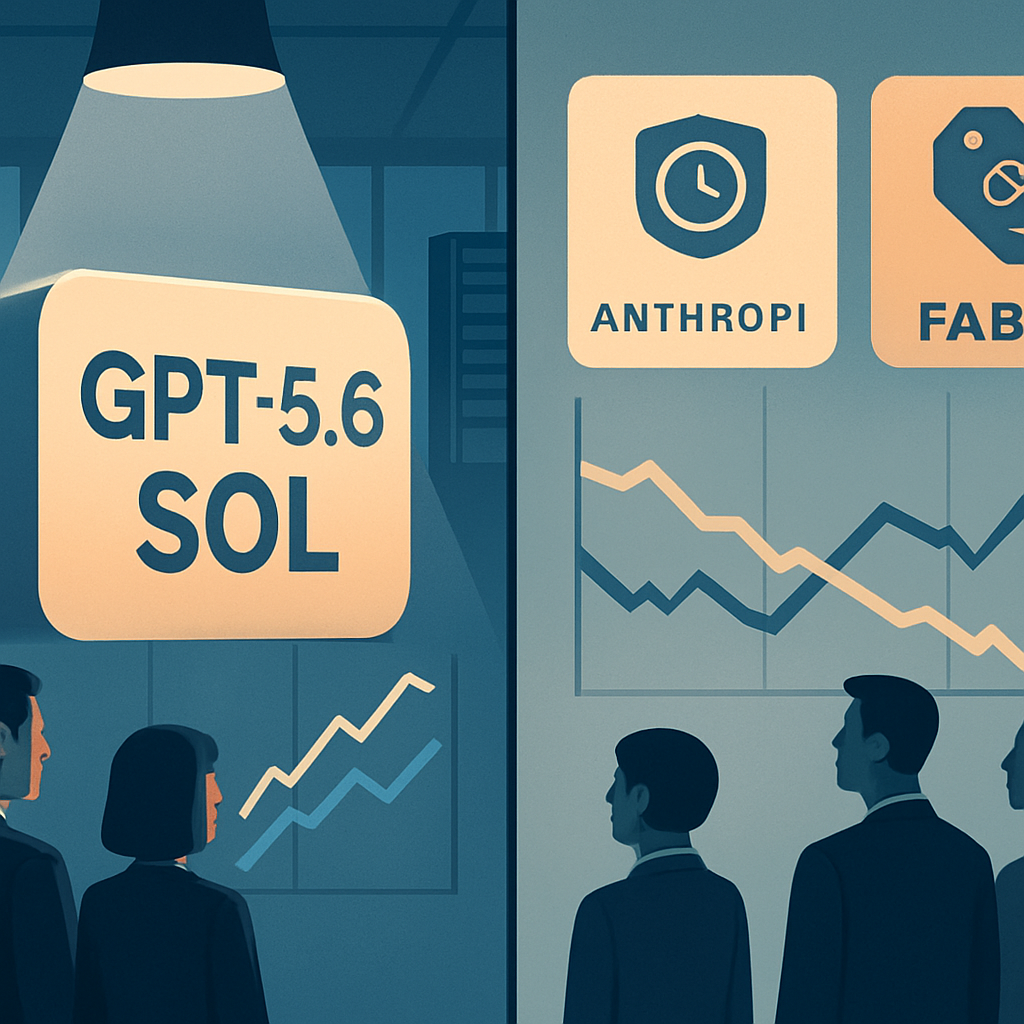
Back in May, Anthropic surpassed OpenAI in Ramp’s data—capturing 41% of paying business users, compared to OpenAI’s 39%. By July, Anthropic’s share had grown to nearly 44%, while OpenAI edged up to almost 40%. ([techcrunch.com](https://techcrunch.com/2026/08/20/openai-is-gaining-on-anthropic-with-business-users-new-data-indicates/))
However, Q3 signs suggest a shift is underway. Ramp’s economist Ara Kharazian reports OpenAI is currently growing faster among this specific cohort during the quarter. While the quarter isn’t over yet—which leaves room for fluctuations—the trend points to OpenAI regaining ground. Ramp did not disclose raw spending amounts, only market share percentages. ([techcrunch.com](https://techcrunch.com/2026/08/20/openai-is-gaining-on-anthropic-with-business-users-new-data-indicates/))
What’s Driving the Shake-Up?
Part of the dynamic stems from how the two companies’ offerings differ. OpenAI’s new high-end model, GPT-5.6 Sol, is resonating with developers, while Anthropic’s premium model tier, Fable, appears to be lagging—partly due to its higher cost and tighter regulatory constraints around data retention. Business customers seem cautious about those trade-offs. ([techcrunch.com](https://techcrunch.com/2026/08/20/openai-is-gaining-on-anthropic-with-business-users-new-data-indicates/))
Another factor: the overall pool of businesses using paid AI tools within Ramp’s client base is growing. More companies are committing to AI. In March, slightly over 50% of Ramp’s businesses were paying for AI. By July, that figure had climbed to nearly 56%, showing broad uptake regardless of provider. ([techcrunch.com](https://techcrunch.com/2026/08/20/openai-is-gaining-on-anthropic-with-business-users-new-data-indicates/))
What the Data Doesn’t Capture
That said, Ramp’s dataset doesn’t tell the whole business AI story. The figures exclude large enterprises that rely on vendors like American Express rather than Ramp for expense management. So while Ramp’s findings provide valuable early indicators, they don’t fully reflect total market spending or strength. ([techcrunch.com](https://techcrunch.com/2026/08/20/openai-is-gaining-on-anthropic-with-business-users-new-data-indicates/))
Also, enterprise AI spending appears less sticky than some investors might hope. Anthropic’s earlier lead among Ramp customers wasn’t permanent, and swings in model releases, pricing or product terms can quickly shift momentum. ([techcrunch.com](https://techcrunch.com/2026/08/20/openai-is-gaining-on-anthropic-with-business-users-new-data-indicates/))
Even so, the trend suggests an expanding business market for paid AI, one where OpenAI may reclaim market share if its new models and pricing hit the right balance. ([techcrunch.com](https://techcrunch.com/2026/08/20/openai-is-gaining-on-anthropic-with-business-users-new-data-indicates/))
Analytical angle: This emerging parity—or possible tilt—in OpenAI’s favor could reverberate across the enterprise AI landscape. Anthropic’s lead, once seen as more secure, is now contestable. OpenAI’s momentum with GPT-5.6 Sol exposes the vulnerability of premium tiers like Fable when cost, performance and privacy obligations misalign with business needs. For enterprises weighing long-term partnerships, stability, regulatory clarity and data policy may matter as much as raw model power. Keep an eye on what both firms do next around pricing, data retention policies, and product roadmap transparency—those are likely to tip the balance in this escalating competition.