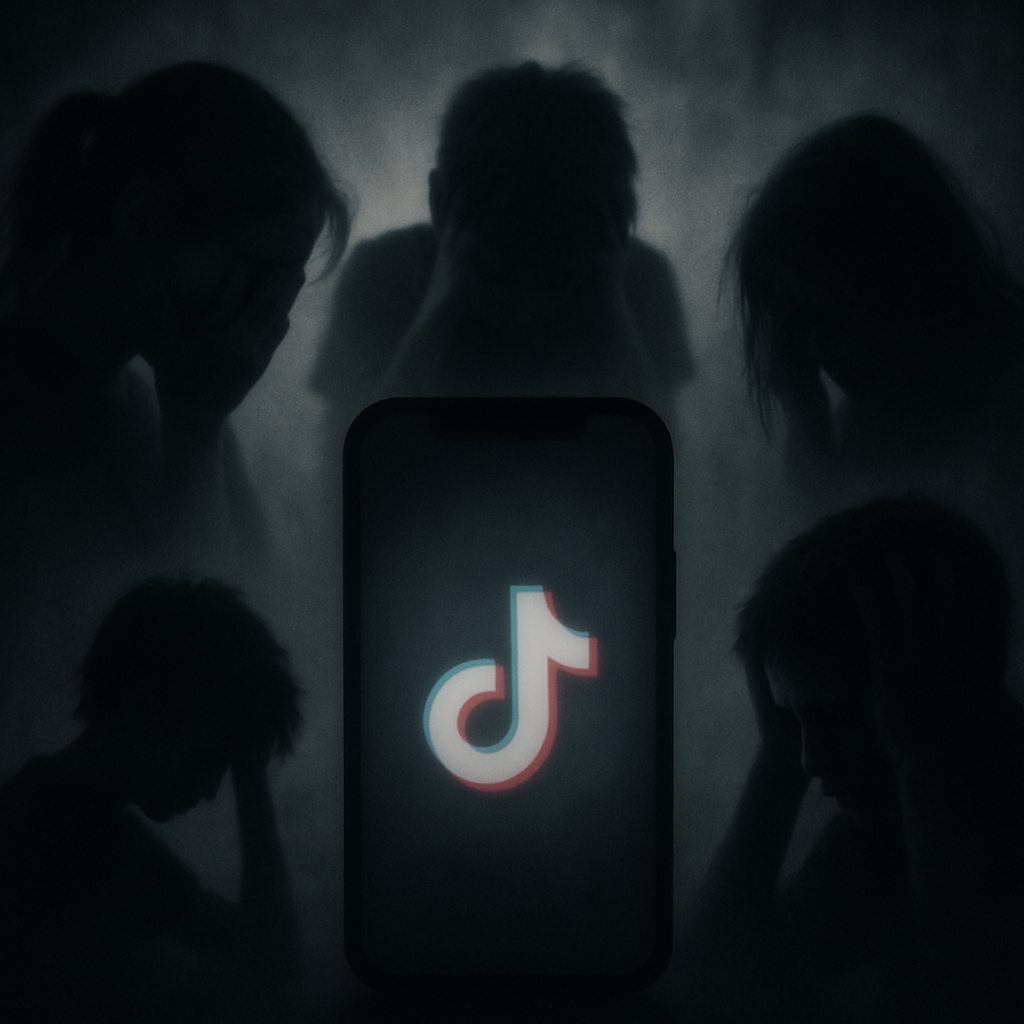
Two U.S. senators are demanding answers from TikTok about an experiment in which the company allegedly disabled a safety algorithm for tens of millions of users, including minors—one of whom later died by suicide. Senator Marsha Blackburn (R–TN) and Senator Richard Blumenthal (D–CT) sent a letter to TikTok’s CEO and U.S. division head, giving the company until September 1 to respond to questions about the controversial test. ([techcrunch.com](https://techcrunch.com/2026/08/20/senators-demand-answers-from-tiktok-over-experiment-that-disabled-safeguards/))
The test reportedly enrolled roughly 15 million U.S. users—about 10% of the platform’s American base—into a “control group.” In that group, TikTok turned off a safety feature meant to prevent users from seeing potentially harmful content. The goal was to assess whether disabling the safeguard would boost engagement. The safety feature was designed to reduce exposure to content related to self-harm, suicide, and loneliness. ([techcrunch.com](https://techcrunch.com/2026/08/20/senators-demand-answers-from-tiktok-over-experiment-that-disabled-safeguards/))
One member of the control cohort was 16-year-old Chase Nasca. According to the senators, algorithms shown to him served thousands of videos about sadness, suicide, and loneliness in the period leading up to his suicide. ([techcrunch.com](https://techcrunch.com/2026/08/20/senators-demand-answers-from-tiktok-over-experiment-that-disabled-safeguards/))
Senators’ Demands and Allegations
The letter presses TikTok for answers to 13 questions that cover who at the company knew of the experiment, and how TikTok allowed minors in the group with disabled protections. The senators also request a full list of algorithm-driven experiments in which safety features were delayed or deactivated for U.S. users. ([techcrunch.com](https://techcrunch.com/2026/08/20/senators-demand-answers-from-tiktok-over-experiment-that-disabled-safeguards/))
Blackburn and Blumenthal described the company’s actions as “depraved,” suggesting ethical failures, particularly involving vulnerable young people. The senators explicitly named both TikTok’s global CEO, Shou Chew, and TikTok U.S. CEO, Adam Presser, as recipients of their letter. ([techcrunch.com](https://techcrunch.com/2026/08/20/senators-demand-answers-from-tiktok-over-experiment-that-disabled-safeguards/))
TikTok has not publicly responded to the letter at the time of reporting. The platform has not yet answered whether any internal oversight or independent review of the experiment took place, or whether its policies were followed. ([techcrunch.com](https://techcrunch.com/2026/08/20/senators-demand-answers-from-tiktok-over-experiment-that-disabled-safeguards/))
Context and Potential Fallout
TikTok has long faced scrutiny in Washington over its content moderation, algorithmic transparency, and potential risks to children and mental health. This latest revelation amplifies concerns that platforms may experiment with safety tools without sufficient oversight or accountability. Congressional interest in tech companies’ internal practices has surged, with algorithms now regularly part of legislative proposals and regulatory investigations. The involvement of a minor who died adds both legal and moral urgency to the matter.
The deadline of September 1 gives TikTok a narrow window to provide detailed disclosures. Depending on what the company reveals—who participated, how decisions were made, what protections were in place—there may be legal, regulatory, or public relations consequences. Public trust is likely to hinge on whether TikTok can demonstrate safeguards were respected even during experiments intended to boost engagement at all costs.
What this means in broader terms is clear: platforms may need to reexamine how they use control groups in algorithmic testing, especially when safety features are involved, and especially for vulnerable users like minors. Expect more pressure from lawmakers for stricter oversight and possibly legislation mandating transparency and consent in algorithmic experiments moving forward. The way TikTok responds—not just what it reveals—could set a precedent for how tech companies handle similar ethical dilemmas in the future.