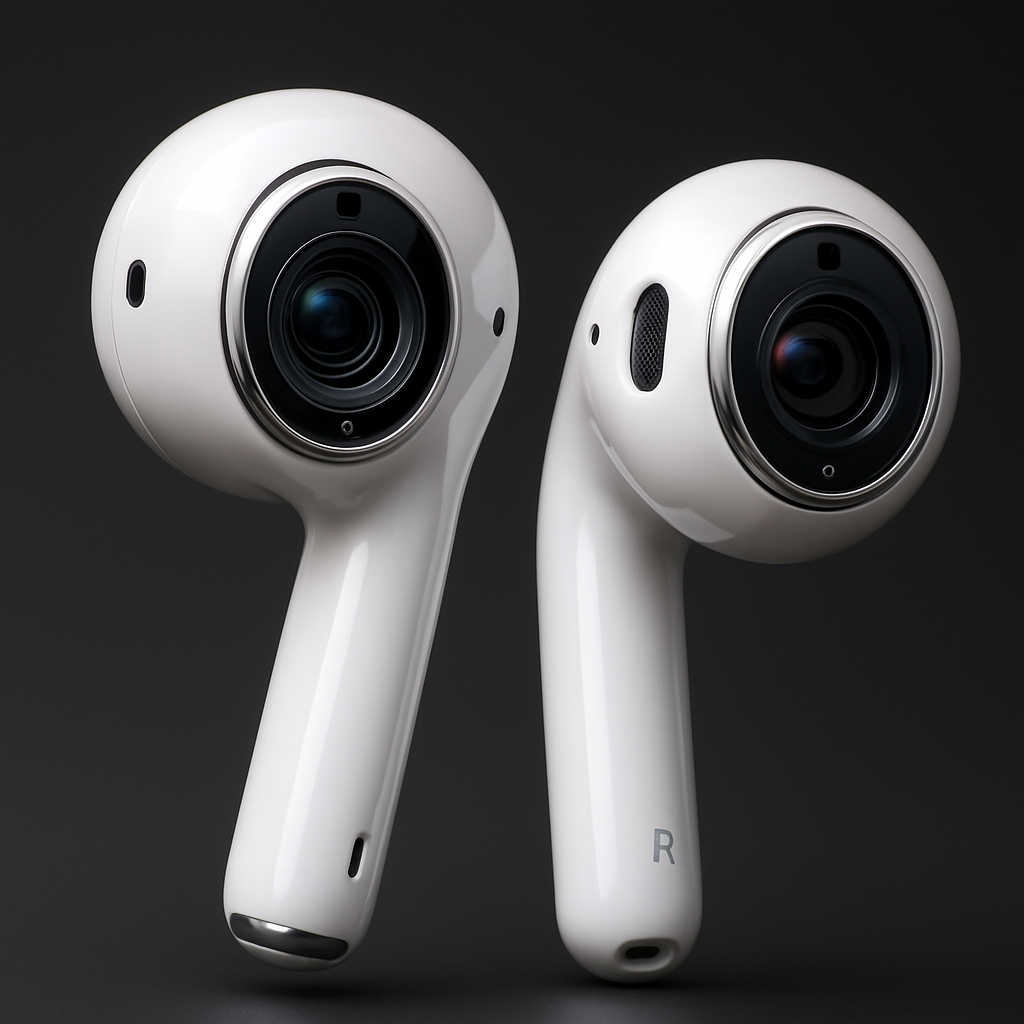
Apple is poised to revolutionize its AirPods lineup by introducing integrated cameras and an AI-driven feature called Visual Intelligence. This development aims to enhance user interaction by enabling the earbuds to process and respond to visual information in real-time.
Traditionally, AirPods have been favored for their audio capabilities, including music playback, podcast streaming, and Active Noise Cancellation. Features like Hearing Protection, Hearing Aid functionality, and Live Translation have further solidified their position as versatile audio devices. However, the forthcoming integration of cameras is set to expand their utility beyond audio.
Recent discoveries within the macOS 26.7 release candidate have unveiled a demo video showcasing these next-generation AirPods equipped with built-in cameras. The Visual Intelligence feature allows users to interact with their environment through voice commands. For instance, users can capture visual data, such as saving an image of a book, by simply instructing Siri, thereby making the world “savable” through effortless voice commands.
The design of these new AirPods closely resembles the AirPods Pro 3, albeit with slightly thicker stems to accommodate the camera hardware. Notably, the cameras are discreetly integrated, maintaining the sleek aesthetic of the earbuds. To address potential privacy concerns, the devices are expected to include visual alerts indicating when the cameras are active.
While the exact release date remains unconfirmed, speculation suggests that Apple may unveil these camera-equipped AirPods alongside the iPhone 18 Pro at an anticipated event on September 9th. This aligns with Apple’s pattern of introducing significant hardware updates during its annual fall events.
The introduction of Visual Intelligence in AirPods signifies a strategic move by Apple to integrate augmented reality (AR) capabilities into everyday devices. By enabling users to interact with their surroundings through voice and visual inputs, Apple is positioning AirPods as more than just audio accessories. This evolution reflects a broader trend in the tech industry towards creating multifunctional wearable devices that seamlessly blend digital and physical experiences.
However, the incorporation of cameras into personal devices raises valid privacy concerns. The potential for discreet recording in sensitive environments has sparked debates about surveillance and consent. Apple will need to navigate these concerns carefully, ensuring that user privacy is prioritized and that clear guidelines are established for the use of such features.
In conclusion, the forthcoming camera-equipped AirPods with Visual Intelligence represent a significant leap in wearable technology. They promise to offer users a more immersive and interactive experience, bridging the gap between audio functionality and visual engagement. As Apple continues to innovate, it will be crucial to balance technological advancement with ethical considerations, ensuring that user trust and privacy remain at the forefront.