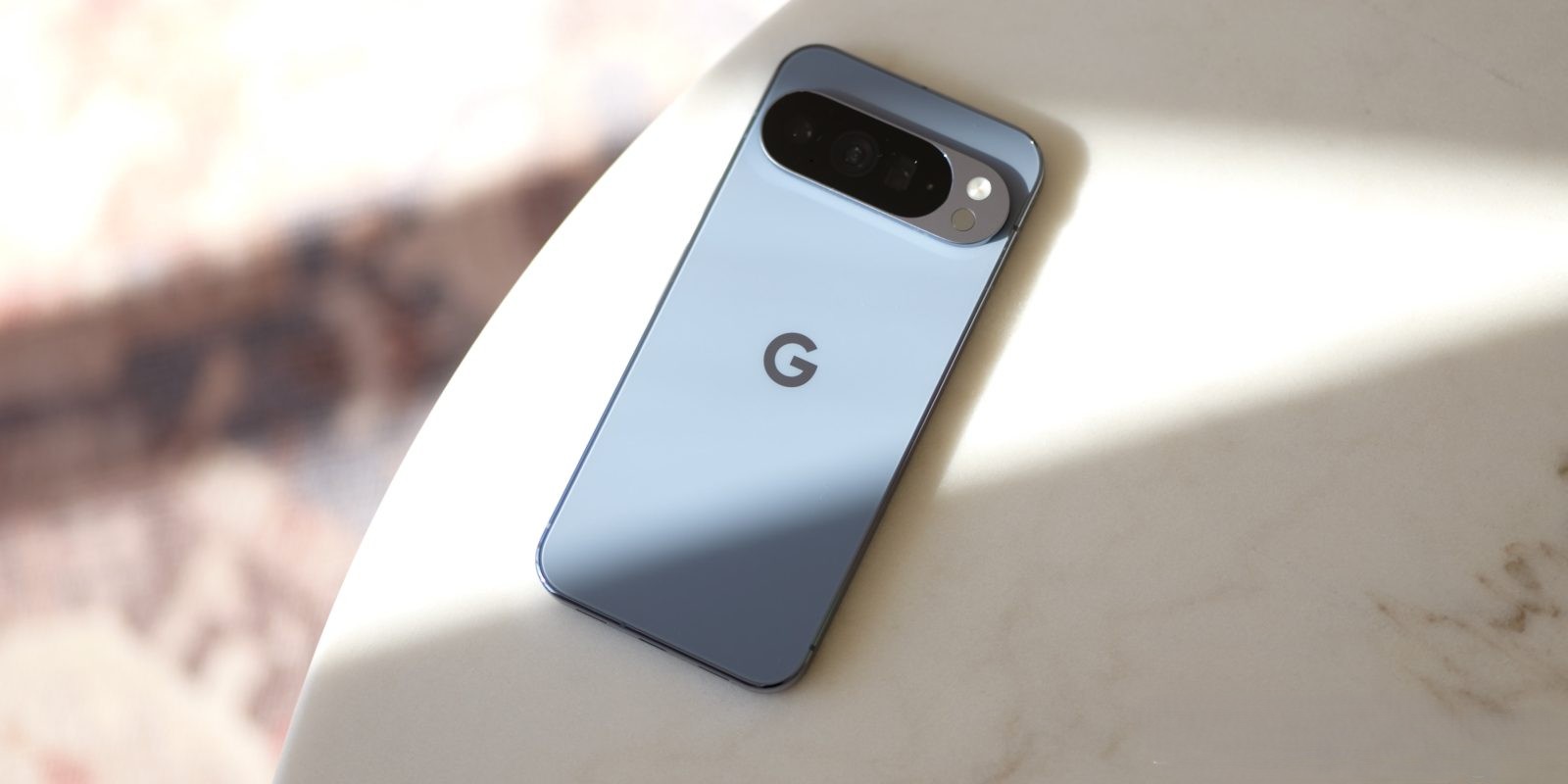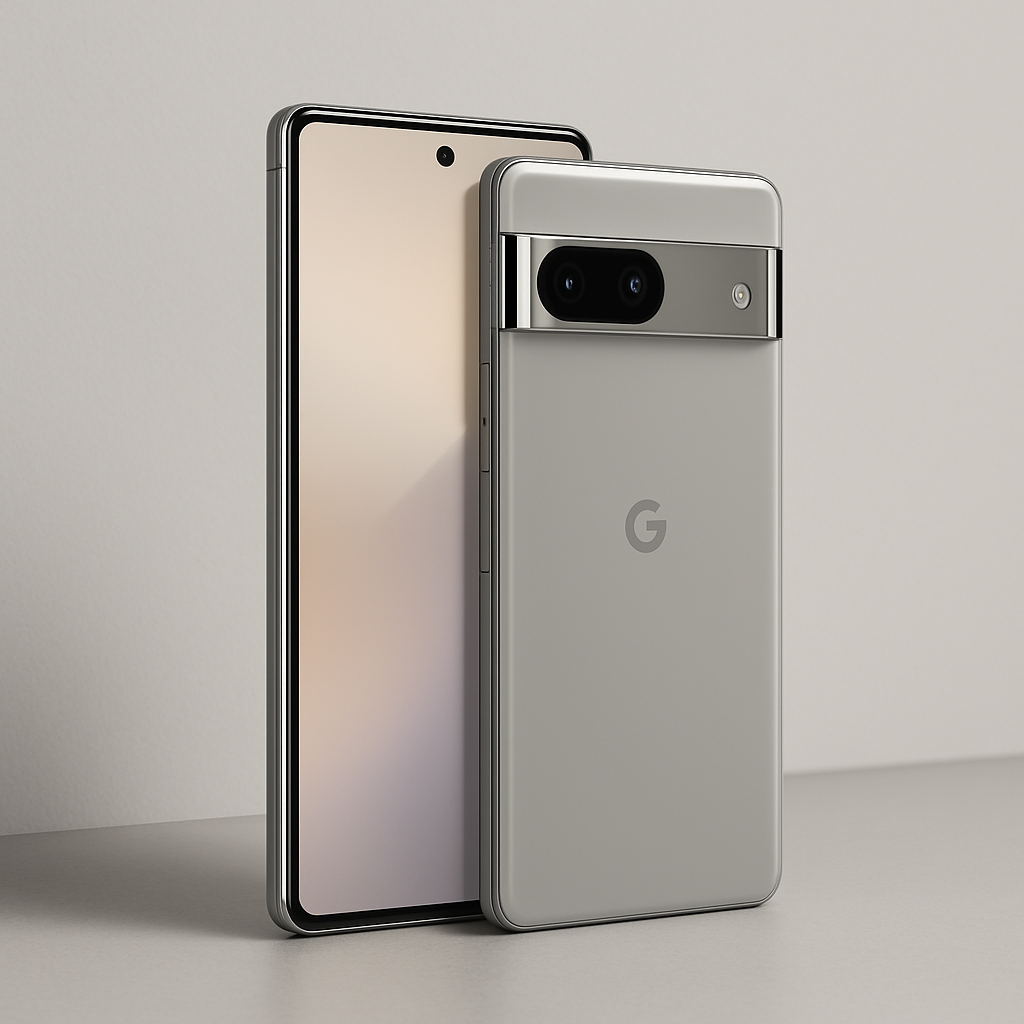
Google’s latest smartphone, the Pixel 11, presents a design that closely mirrors its predecessor, the Pixel 10. The most noticeable alteration is the transition to a full glass camera bar, enhancing the device’s aesthetic appeal. Additionally, the Pixel 11 is approximately 7 grams lighter, a change that contributes to a more comfortable in-hand experience. The device maintains its robust and stable feel, characteristic of the Pixel series.
Performance-wise, the Pixel 11 exhibits marginal improvements. Applications launch slightly faster, and the overall user interface feels smoother. Notably, the device’s display defaults to a 60Hz refresh rate out of the box, requiring manual adjustment to 120Hz for optimal fluidity. The integration of Android 17 offers a familiar and seamless experience for users transitioning from previous Pixel models.
The camera system in the Pixel 11 introduces subtle enhancements. The new 48MP main sensor boasts a 56% increase in light sensitivity compared to the Pixel 10, promising improved low-light photography. Software features like ‘Camera Looks’ provide users with customizable processing styles, allowing for personalized photo aesthetics. However, these updates may not be substantial enough to entice users to upgrade from recent Pixel models.
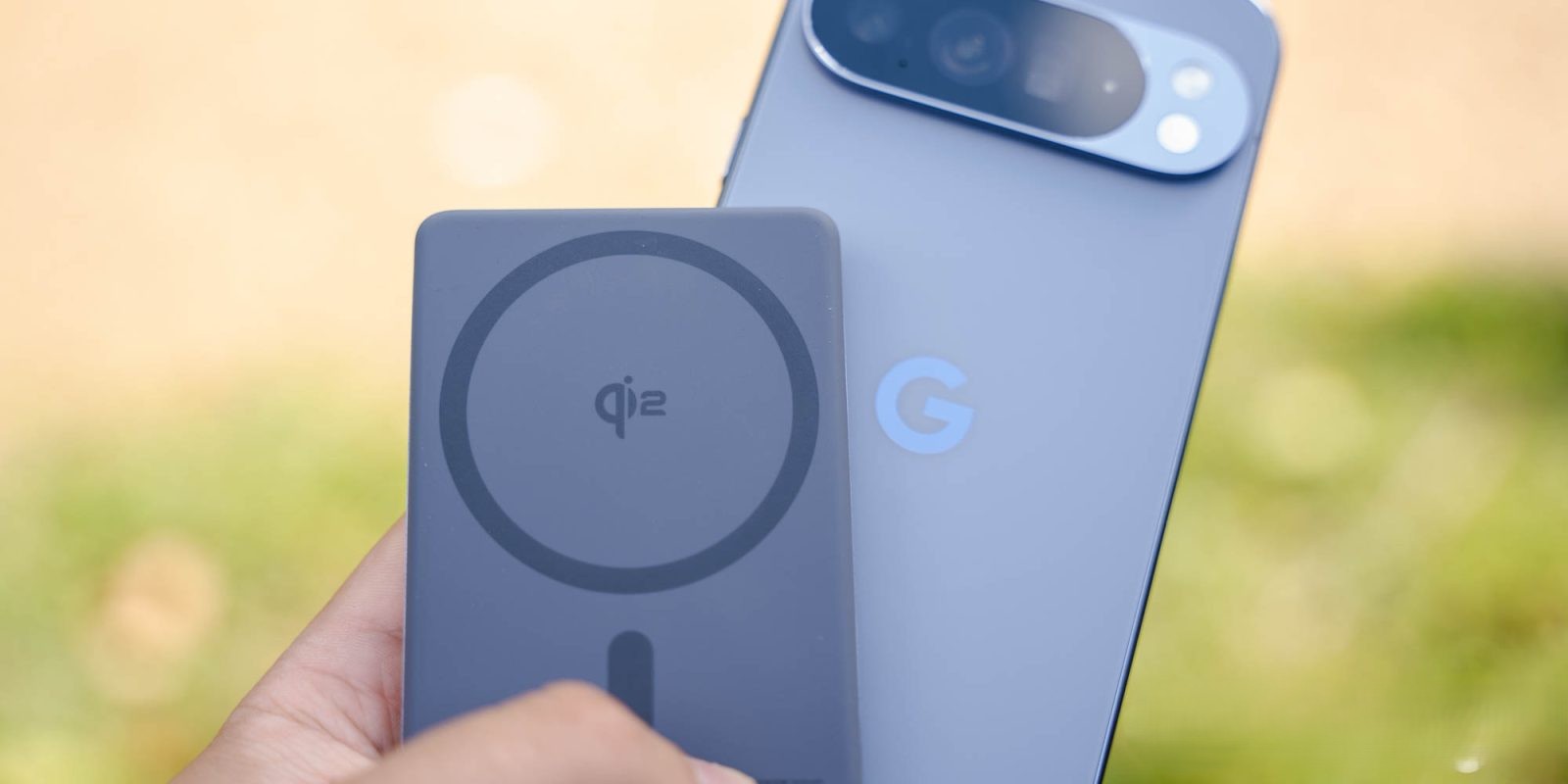
Battery performance remains consistent with previous iterations. The Pixel 11 supports all-day usage under typical conditions, with no significant advancements in battery longevity. Charging capabilities are also unchanged, maintaining the same speeds as the Pixel 10.
In summary, the Pixel 11 offers incremental improvements over its predecessor, focusing on minor design refinements and subtle performance enhancements. While it continues to deliver the reliable experience expected from Google’s hardware and software integration, the lack of groundbreaking features may not justify an upgrade for current Pixel 10 users. Prospective buyers should weigh these modest updates against their individual needs and expectations.