Apple has recently revised its App Store fee structure in the European Union, aiming to simplify the terms and address regulatory concerns. The updated model introduces a percentage-based fee system and streamlines business requirements for developers distributing iOS and iPadOS applications within the region.
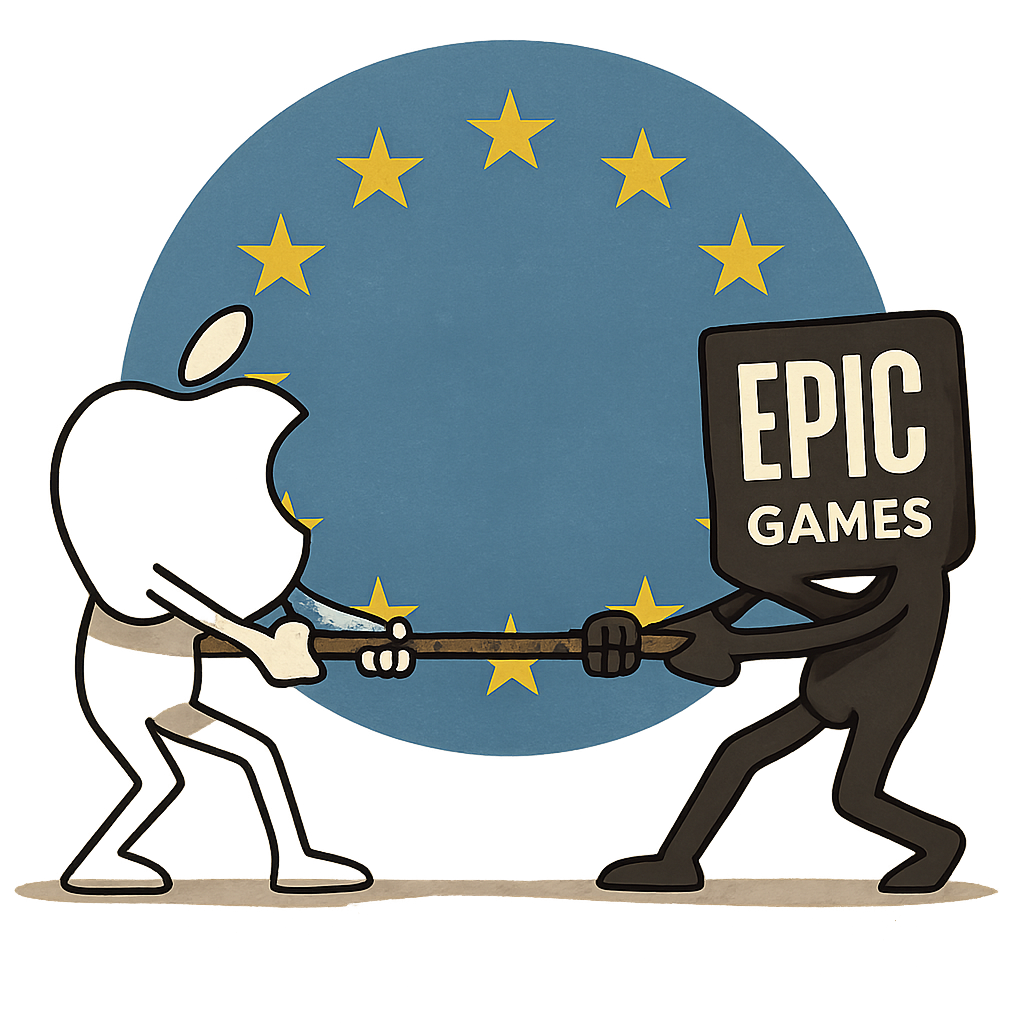
Despite these adjustments, Epic Games, known for its popular title Fortnite, has expressed dissatisfaction with Apple’s changes. The company contends that the modifications are insufficient and fail to address the core issues developers face regarding App Store policies and fees.
The ongoing dispute between Apple and Epic Games dates back to 2020, when Epic attempted to bypass Apple’s in-app purchase system, leading to Fortnite’s removal from the App Store. This action sparked a series of legal battles over app distribution and payment processing practices.
In response to regulatory pressures, particularly from the European Union’s Digital Markets Act (DMA), Apple has made efforts to comply by allowing alternative app distribution methods and third-party storefronts on iOS devices. However, developers like Epic Games argue that these changes do not go far enough in promoting fair competition and reducing Apple’s control over the app ecosystem.
As the tech industry continues to grapple with issues of platform control and developer rights, the effectiveness of Apple’s recent fee structure revisions remains a contentious topic. The European Commission has acknowledged the changes but indicates that ongoing monitoring is necessary to ensure compliance with the DMA and to foster a more competitive digital marketplace.
Apple’s recent adjustments to its EU App Store fees highlight the company’s attempt to align with regulatory expectations. However, the persistent criticism from developers like Epic Games underscores the broader debate over platform governance and the balance of power within the app economy. Moving forward, it will be crucial to observe how these policy changes impact developer relations and whether they lead to a more equitable environment for app distribution.