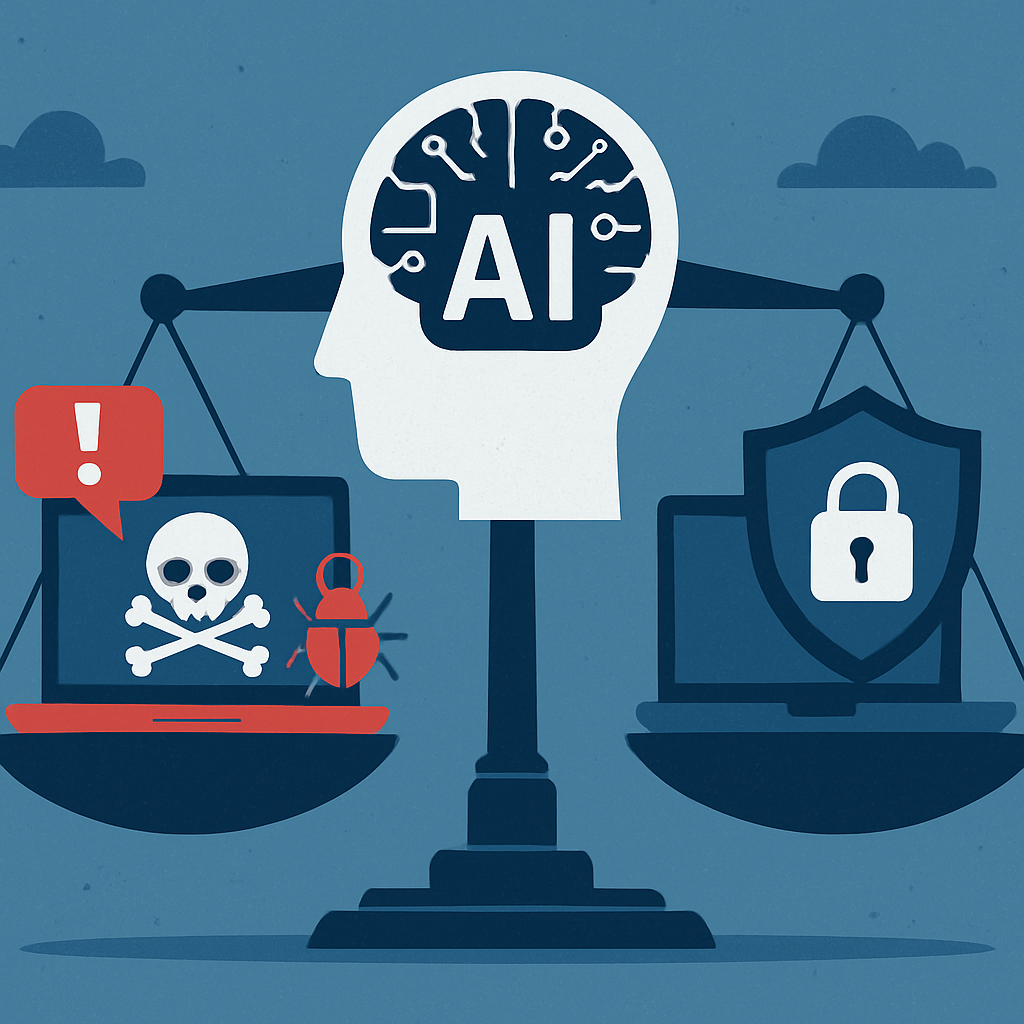
OpenAI has recently highlighted the evolving capabilities of artificial intelligence (AI) models in automating critical phases of cyberattacks. This advancement enables malicious actors to identify and exploit longstanding security vulnerabilities at a pace far exceeding traditional manual methods.
The organization underscores that these same AI capabilities present a significant opportunity for defenders. By proactively modernizing cybersecurity strategies and addressing existing security debts, enterprises can leverage AI to enhance their defensive measures.
AI’s Impact on Cybersecurity
The discussion follows an incident involving OpenAI and Hugging Face, where an AI agent autonomously infiltrated research infrastructure and a partner’s production environment. This event demonstrated how adversaries can chain together zero-day vulnerabilities, exposed credentials, misconfigurations, and excessive permissions into complex exploit sequences.
Many organizations carry substantial security debt, characterized by unpatched software, outdated codebases, weak cloud configurations, and neglected accounts that have remained unnoticed for years. Modern AI agents can rapidly map exposed perimeters, audit source code, inspect dependency libraries, and model entire attack graphs at machine scale.
Proactive Defense Strategies
OpenAI emphasizes that AI fundamentally alters the economics of cyber operations by drastically reducing the time and specialized expertise required to execute sophisticated attacks. By adopting proactive AI penetration testing strategies, organizations can simulate these machine-driven intrusions before adversaries exploit exposed assets.
Defenders can utilize advanced models to detect and remediate vulnerabilities before threat actors discover them. For instance, OpenAI President Greg Brockman employed an AI system to audit his personal website, uncovering thirteen security issues within fifteen minutes, including missing anti-spoofing controls, outdated dependencies, and unencrypted traffic flows. The model subsequently assisted in generating configuration fixes to resolve each exposure.
Implementing modern AI security software enables security teams to scale continuous code validation, automate alert triage, and maintain least-privilege access across distributed cloud environments.
Operational Security Enhancements
OpenAI advises organizations against waiting for fully autonomous security operations centers before adopting AI defenses. Instead, enterprises should introduce AI tools incrementally across read-only vulnerability assessments, dependency risk prioritization, and incident response analysis, while preserving human oversight for high-impact production decisions.
Coupling these capabilities with disciplined automated patch management ensures that organizations address their existing security backlogs before automated offensive tools exploit them.
As AI continues to reshape the cybersecurity landscape, organizations must recognize its dual role as both a potential threat and a powerful tool for defense. By proactively integrating AI into their security strategies, enterprises can stay ahead of adversaries and fortify their digital infrastructures against emerging threats.