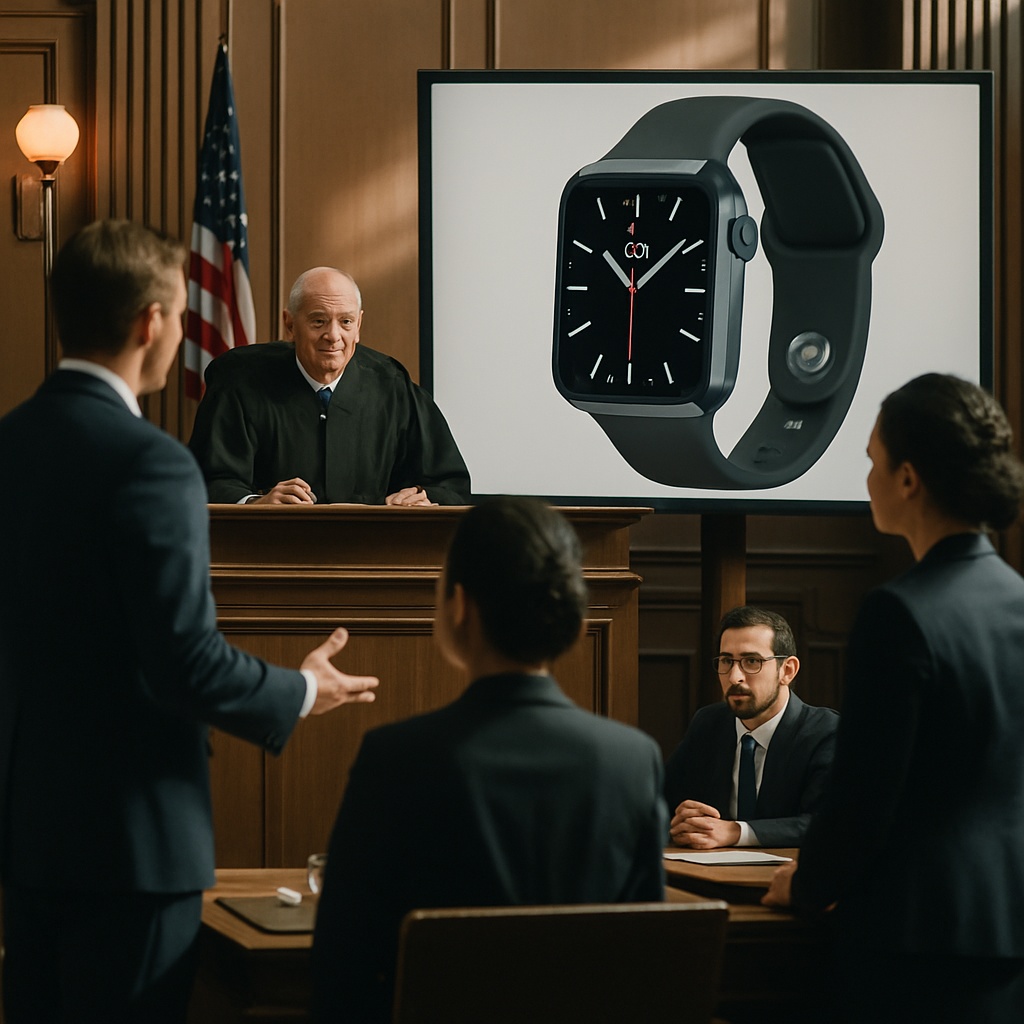
In the ongoing trial of Lindsay Clancy, a former labor and delivery nurse accused of murdering her three children in Massachusetts in 2023, prosecutors have presented data from her Apple Watch and iPhone as key evidence. This digital information offers a detailed account of Clancy’s activities leading up to the tragic events.
Digital forensics expert Ian Whiffin, associated with Cellebrite—a firm specializing in data extraction from devices like iPhones—testified on the final day of the prosecution’s case. He highlighted that Clancy’s Apple Watch recorded her heart rate, step count, and stair climbs, providing a timeline of her movements. Additionally, her iPhone’s call logs and internet search history were scrutinized to reconstruct her actions before the incident.
Prosecutors argue that this digital evidence contradicts Clancy’s claims of being in a state of psychosis during the murders. They suggest that the data indicates deliberate planning and awareness, challenging the defense’s narrative.
The integration of wearable technology and smartphones into daily life has transformed them into critical tools in criminal investigations. Devices like the Apple Watch not only monitor health metrics but also serve as digital witnesses, capturing data that can be pivotal in legal proceedings. This case underscores the growing importance of digital forensics in the justice system, highlighting how personal devices can provide objective insights into an individual’s actions and state of mind.