The U.S. Cybersecurity and Infrastructure Security Agency (CISA) has recently added a critical vulnerability affecting Ray, an open-source distributed computing framework, to its Known Exploited Vulnerabilities (KEV) catalog. This inclusion follows evidence of active exploitation of the flaw, identified as CVE-2025-62593, which carries a CVSS score of 9.4.
Ray is designed to scale artificial intelligence and machine learning workloads across multiple machines. The project has garnered significant attention, with over 43,500 stars and more than 7,900 forks on GitHub. However, a longstanding decision by the Ray development team to forgo authentication on critical endpoints, such as /api/jobs and /api/job_agent/jobs/, has led to severe security vulnerabilities.
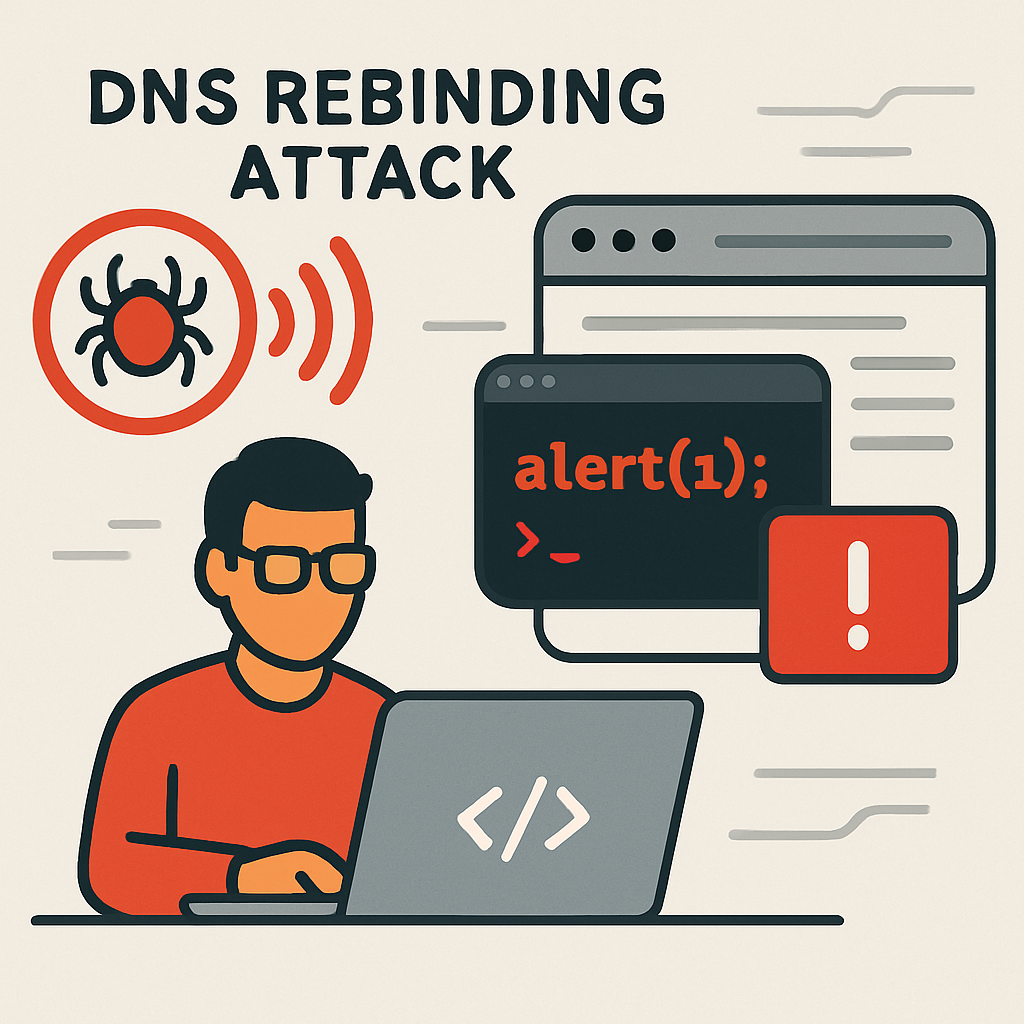
The specific issue with CVE-2025-62593 arises from inadequate protections against browser-based attacks. By exploiting this flaw through a DNS rebinding attack, malicious actors can execute arbitrary code on a developer’s machine when they visit a compromised website or view a malicious advertisement using browsers like Mozilla Firefox or Apple Safari. This vulnerability primarily affects developers operating Ray in development or testing environments.
Beyond individual machines, attackers can leverage this exploit to target Ray instances within private corporate networks. By using the browser as an intermediary, they can extend their reach to network-adjacent Ray instances, potentially compromising broader infrastructure.
To address this critical vulnerability, the Ray development team released version 2.52.0 of the Python package, which includes necessary patches. The discovery of the fetch bypass is credited to Oligo security researcher Avi Lumelsky, while Jonathan Leitschuh identified the DNS rebinding attack vector.
While CISA has not disclosed specific details regarding the exploitation of this vulnerability in the wild, reports indicate that threat actors behind the RondoDox DDoS botnet incorporated the exploit into their arsenal shortly after its public disclosure. Additionally, unpatched Ray instances have been targeted in campaigns like ShadowRay 2.0, where attackers aim to transform clusters with NVIDIA GPUs into self-replicating cryptocurrency mining botnets.
In response to the active exploitation of CVE-2025-62593, CISA has advised Federal Civilian Executive Branch (FCEB) agencies to apply the necessary fixes and mitigations by August 20, 2026.
This incident underscores the critical importance of implementing robust authentication mechanisms in software development, especially for tools designed to handle sensitive workloads like AI and machine learning. Developers and organizations must prioritize security measures to prevent such vulnerabilities from being exploited, thereby safeguarding their systems against potential attacks.