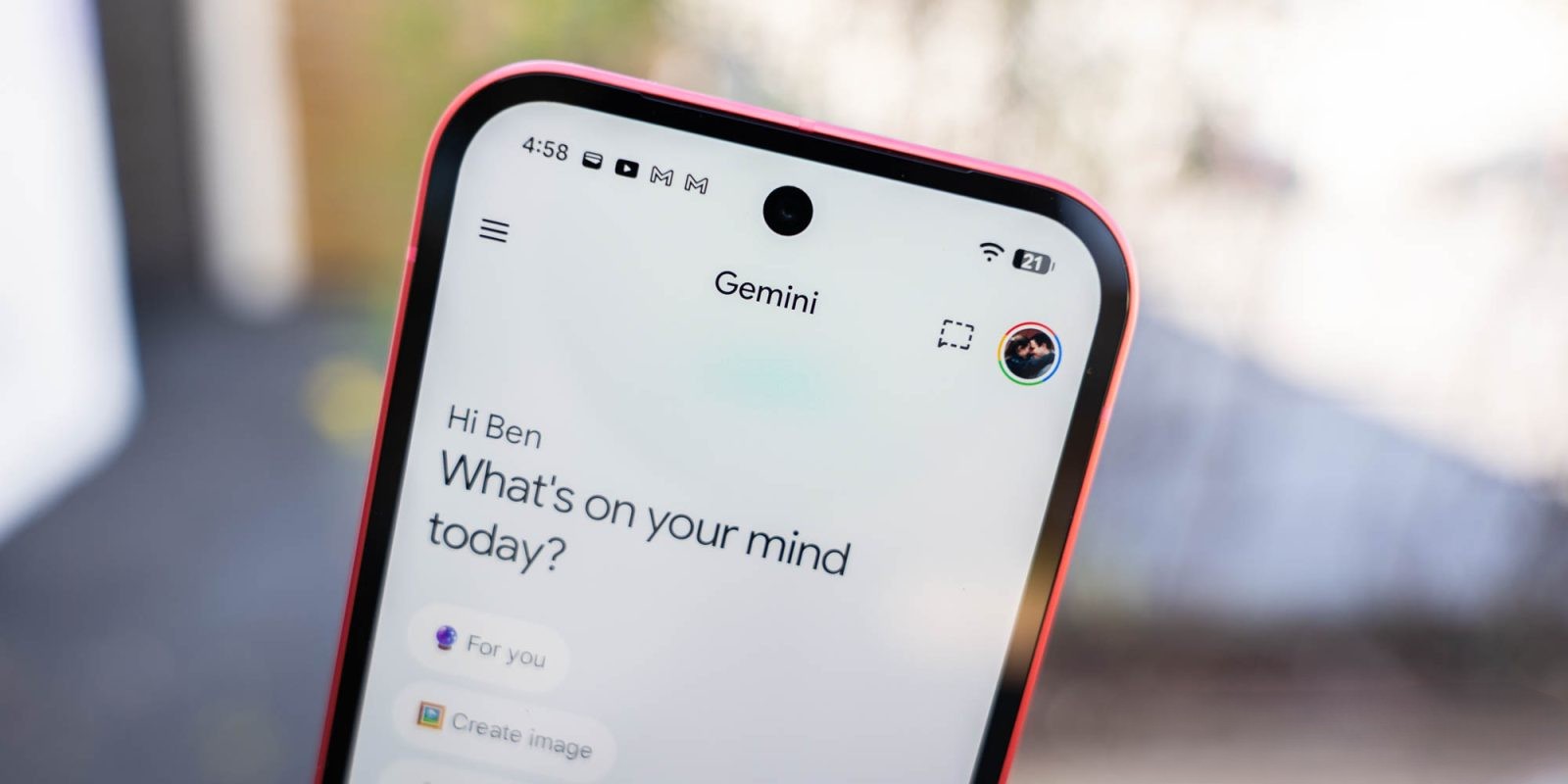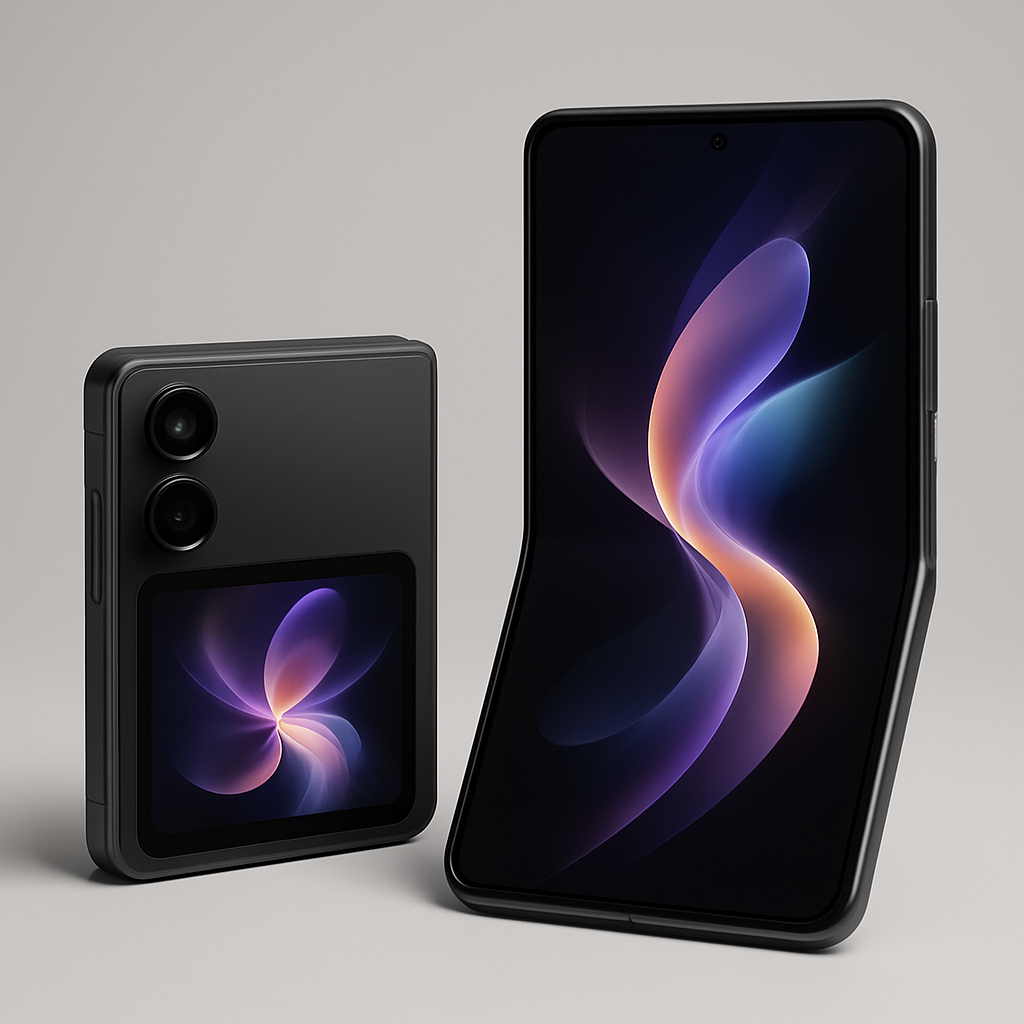
Google’s latest foldable smartphone, the Pixel 11 Pro Fold, introduces a notable design change: the two halves of the device are of differing thicknesses. This asymmetry is immediately noticeable upon handling the device, with the half housing the cameras and Qi2 wireless charging hardware being thinner than the half containing the cover display.
When the device is unfolded, the inner display remains flat, but the back exhibits a slight unevenness due to this design choice. While this may be visually apparent, it does not affect the device’s usability or feel in hand.
Google has explained that this design decision was made to achieve a slimmer profile for the Pixel 11 Pro Fold. Despite maintaining a battery size comparable to its predecessor and incorporating Qi2 hardware, the new model measures approximately 10.1mm in thickness when folded, making it about 1mm thinner than the previous generation.
The Pixel 11 Pro Fold is currently available for pre-order. This design approach reflects Google’s commitment to refining the form factor of its foldable devices, even if it means embracing unconventional solutions. As the foldable smartphone market continues to evolve, such innovations may set new standards for design and functionality.