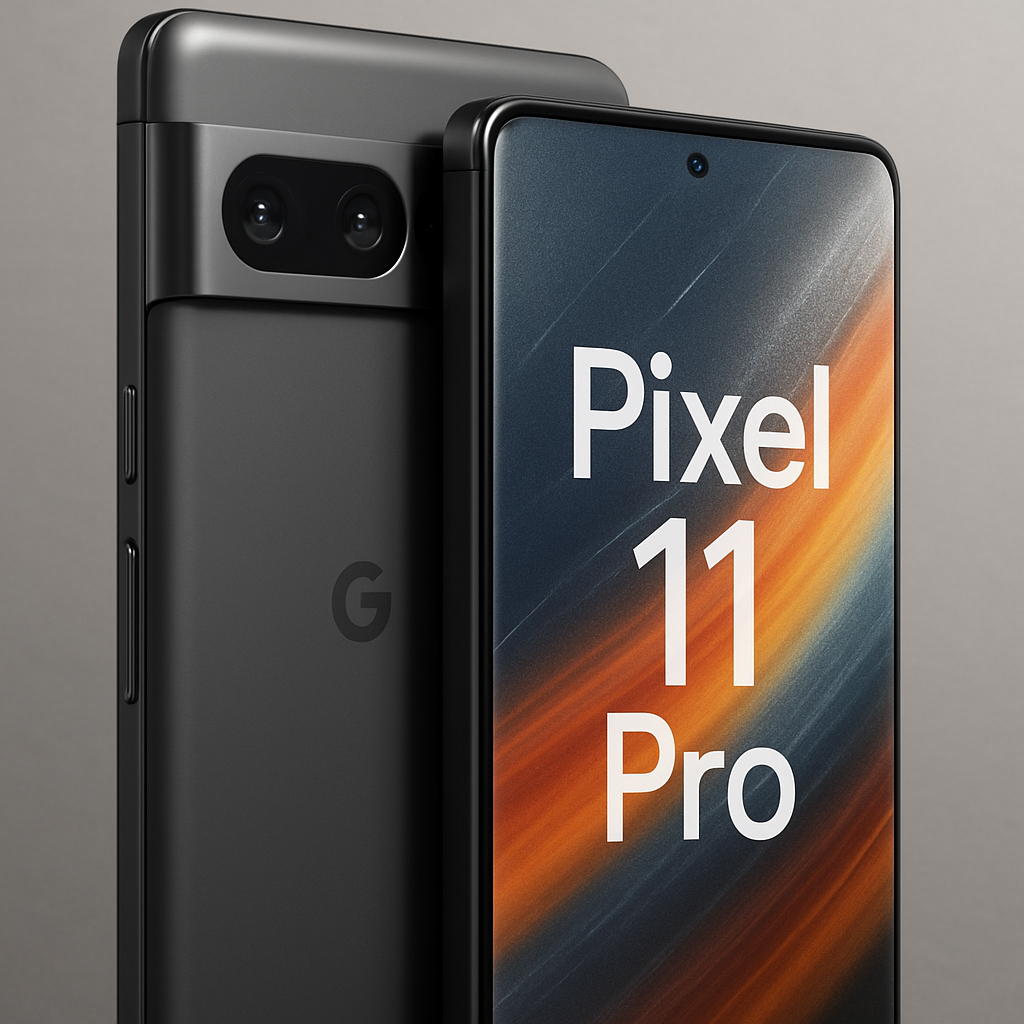
Google’s latest Pixel 11 Pro series introduces significant advancements in display durability, aiming to address common concerns about screen damage. Both the Pixel 11 Pro and Pixel 11 Pro XL models are equipped with an anti-scratch display coating applied over Gorilla Glass Victus 2. This combination reportedly offers more than double the scratch resistance compared to previous Pixel models.
The anti-scratch coating, measuring approximately 800 nanometers thick—about 1% the thickness of a human hair—is strategically placed between the glass and the oleophobic layer. Google has conducted extensive testing to simulate real-world scenarios, such as contact with keys and nail files, to ensure the coating’s effectiveness. While the exact composition remains proprietary, this development signifies a notable step forward in smartphone durability.
In addition to enhanced scratch resistance, the Pixel 11 Pro series features the Super Actua display, capable of reaching up to 3,600 nits of brightness. This ensures exceptional clarity even under direct sunlight. The devices also maintain an IP68 rating for water and dust resistance, reinforcing their robustness.
The Pixel 11 Pro Fold introduces further innovations by incorporating a new ceramic glass material for its outer display. This material enhances both drop and scratch protection. Complementing this is a rear cover made from a glass fiber composite, which Google describes as “nearly impossible to crack.” These enhancements collectively make the Pixel 11 Pro Fold three times more durable than its predecessor, the Pixel 10 Pro Fold.
These durability improvements reflect a growing industry trend toward more resilient smartphone designs. As consumers increasingly seek devices that can withstand daily wear and tear, manufacturers are responding with innovative materials and coatings. Google’s focus on enhancing display durability not only addresses user concerns but also sets a new standard for future smartphone designs.