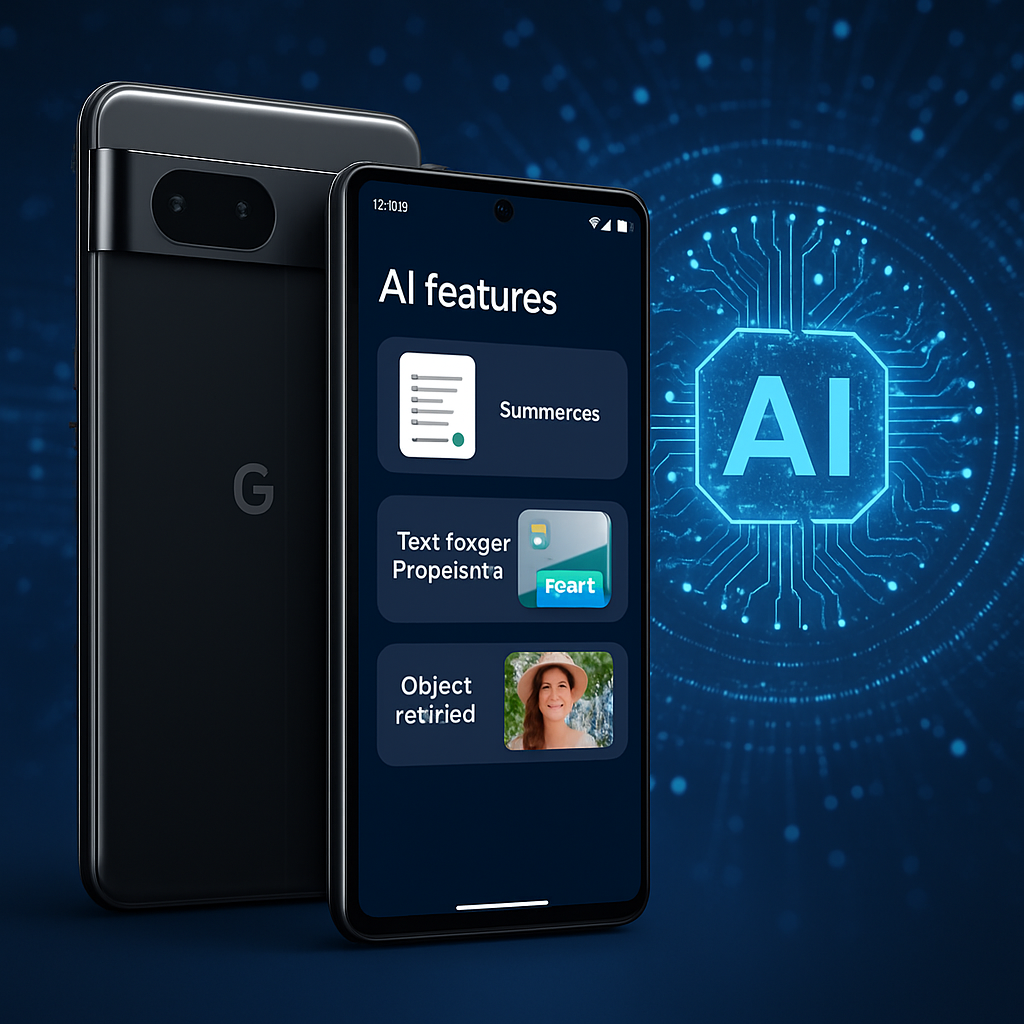
Google’s latest Pixel 11 series maintains a design and hardware profile similar to its predecessor, focusing instead on integrating advanced AI capabilities through its Gemini platform. This strategic shift underscores Google’s commitment to enhancing user experience via intelligent software solutions.
With the Pixel 11, Gemini introduces agentic AI features that can autonomously perform tasks such as ordering groceries, booking rides, and making reservations. Users retain control, with the ability to intervene or review AI-initiated actions at any time. Additionally, the ‘Magic Cue’ feature has been upgraded to proactively provide contextual information by aggregating data from various apps, assisting users in making informed decisions.
In the realm of accessibility, the Pixel 11’s camera now includes a feature that translates sign language into text, facilitating communication for individuals with hearing impairments. The live transcribe interface has also been redesigned to improve usability.
Camera capabilities have seen significant AI-driven enhancements. The ‘Magic Capture’ feature selects the best frames from a series of shots, automatically cropping and sharpening them for optimal sharing. The Pro models now support up to 120x zoom, while the base Pixel 11 offers 30x zoom. ‘Instant Night Sight’ on Pro models reduces low-light capture time by 4.5 times compared to previous versions. Video recording has been upgraded to 8K resolution with improved stabilization, and a new ‘creator suite’ mode serves as a teleprompter during video shoots, organizing clips into dedicated folders for easier editing.
Under the hood, all Pixel 11 devices are powered by the Tensor G6 processor, boasting a 20% improvement in power efficiency and 25% faster browsing speeds. This processor also enhances low-light photography and supports advanced zoom capabilities on the Pro XL model.
By prioritizing AI advancements over hardware changes, Google is positioning the Pixel 11 series as a testament to the evolving role of intelligent software in enhancing smartphone functionality. This approach reflects a broader industry trend where software innovation is becoming a key differentiator in the competitive smartphone market.